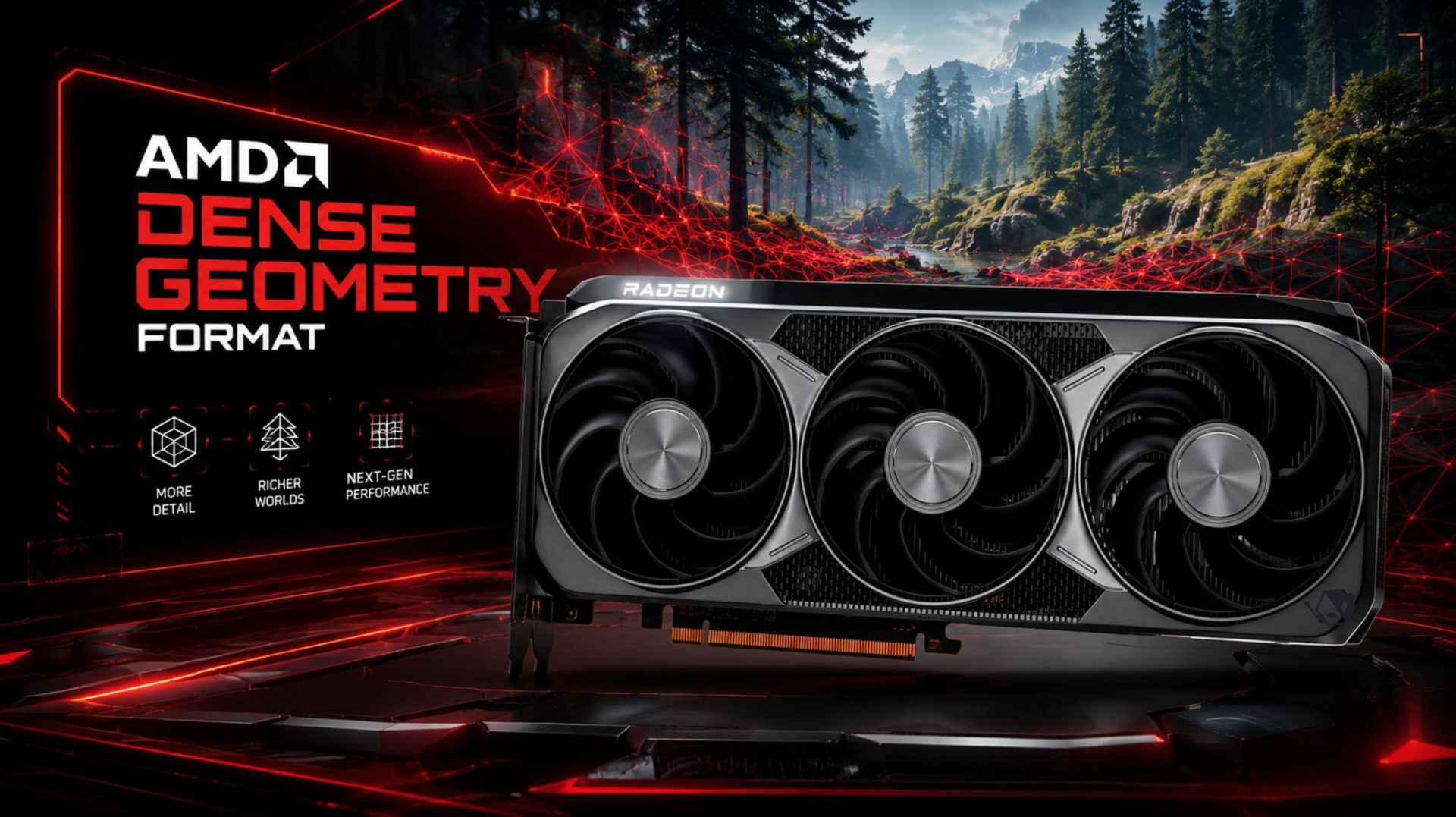
AMD is quietly positioning itself as a key player in the AI hardware space, with its upcoming RDNA 3.5 GPUs designed to address the growing demand for accelerated computing in data centers.
The move comes at a time when major smartphone chipmakers like MediaTek and Qualcomm are stepping back from advanced node production, leaving AMD to fill a gap that could reshape the landscape of high-performance computing.
Market Dynamics
The RDNA 3.5 architecture is built on a 4nm process, leveraging TSMC's latest manufacturing capabilities. This shift aligns with industry trends where AI workloads are increasingly moving away from traditional smartphone chips toward more specialized hardware like GPUs and CPUs.
- Key Specifications:
- Architecture: RDNA 3.5
- Process Node: 4nm
- Cores: Up to 12,288
- Memory: Up to 96GB GDDR6
- Performance: Targeted for AI and data workloads
The RDNA 3.5 GPUs are expected to offer significant improvements in performance per watt, making them attractive for data center deployments where efficiency is critical.
Platform Integration
AMD's strategy appears to focus on integrating these GPUs into existing Windows-based ecosystems, particularly targeting enterprise and AI workloads. This could mitigate the risks associated with platform lock-in while providing a more flexible alternative for developers and businesses.

The architecture is designed to support both traditional graphics rendering and AI acceleration, addressing a broad range of use cases from high-end gaming to machine learning tasks.
Reality Check
While the RDNA 3.5 GPUs promise significant advancements, their success will depend on AMD's ability to compete with established players like NVIDIA in the AI hardware market. The transition to 4nm also introduces challenges related to yield and power consumption that must be carefully managed.
Market Impact
The introduction of RDNA 3.5 underscores a broader trend where GPU manufacturers are increasingly targeting AI workloads, reflecting the shifting priorities in the tech industry. For businesses and developers, this could mean more options for building scalable AI solutions without being locked into proprietary ecosystems.
As the market evolves, AMD's move may provide a counterbalance to NVIDIA's dominance, potentially offering more choice and competition in the AI hardware space. However, the long-term implications remain uncertain, with industry watchers closely monitoring how these GPUs perform in real-world applications.