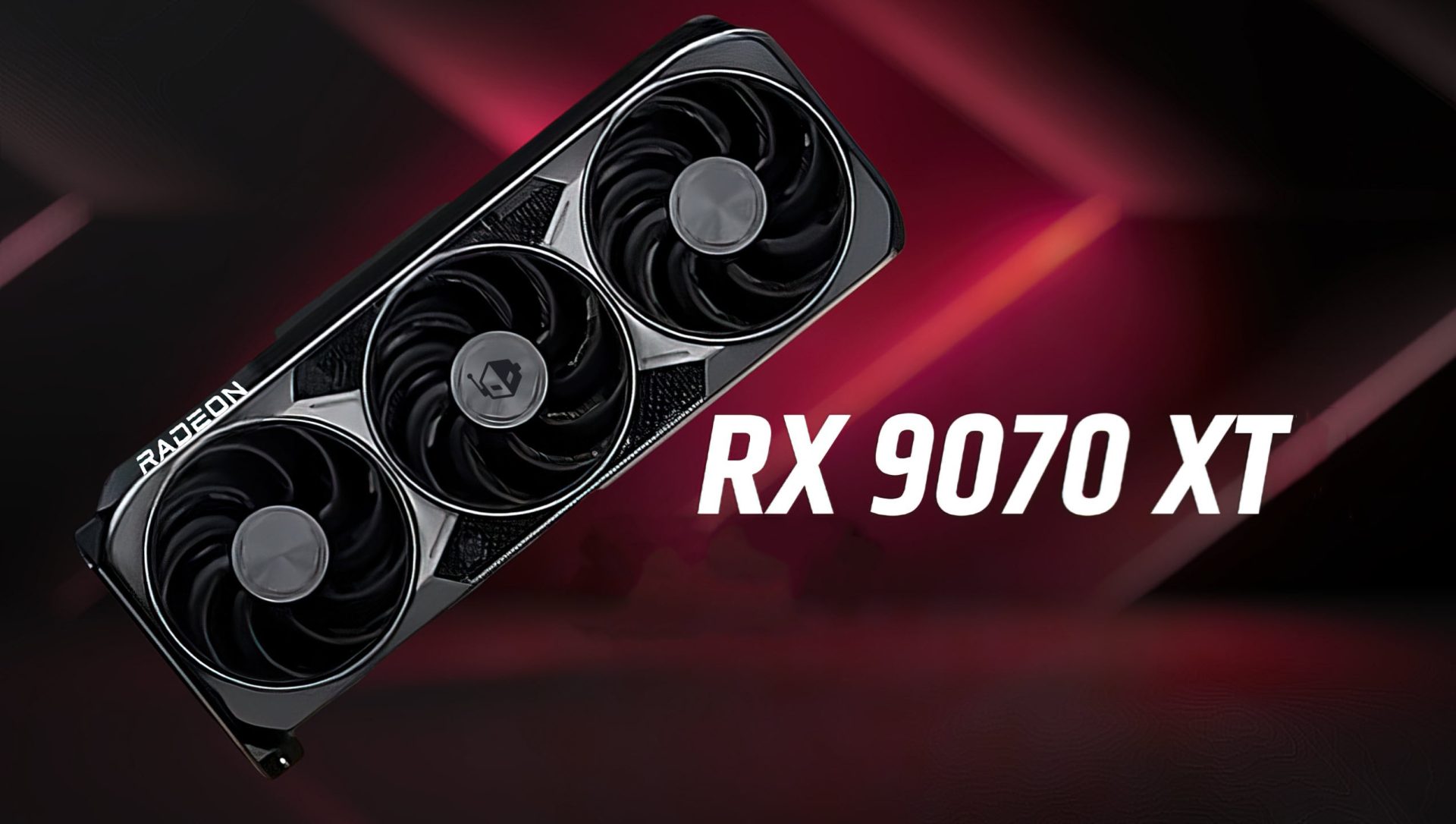
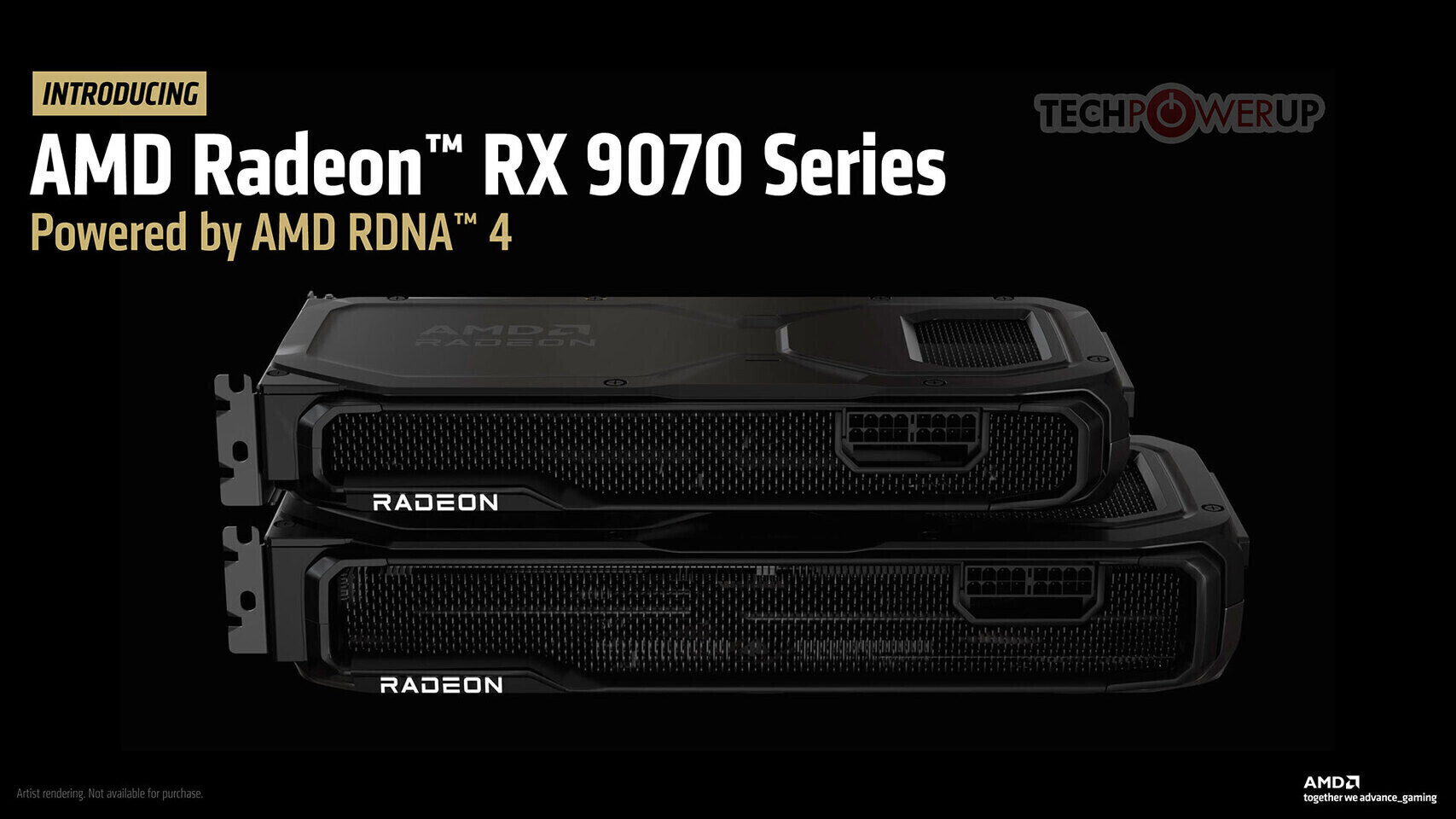
AMD's RDNA 4 graphics cards are trading below suggested retail prices in China, a development that could reshape global GPU markets. The RX 9070 XT, AMD's flagship RDNA 4 model, has an MSRP of 4,999 RMB ($735) but is now available for 4,950 RMB—a discount so slight it barely registers. Meanwhile, the entry-level RX 7650 GRE, priced at 2,099 RMB, is being sold for as low as 1,740 RMB, a 17% cut that underscores the depth of this pricing shift.
This isn't just about discounts—it's about supply. Chinese distributors are reportedly selling some Radeon models at a loss, indicating a surplus of stock that AMD and its partners are struggling to absorb. The RX 9060 XT 8 GB edition, for example, has dropped from 2,499 RMB to 2,250 RMB—a 10% reduction—while the RX 7650 GRE's discount is even more aggressive.
Why China Now?
The trend began in Germany a few weeks ago, where RDNA 4 cards like the RX 9070 and RX 9070 XT fell below MSRP. But China's market dynamics are different: local demand is softer, and distributors face heavier pressure to clear inventory. If this pattern holds, it could force AMD to rethink its global pricing strategy.
What Gamers Should Watch
- The RX 9070 XT remains the closest to its MSRP, but even small discounts add up for buyers.
- The RX 7650 GRE offers the steepest savings, making it a standout for budget-conscious gamers.
- If China's trend spreads, other regions—where GPUs are already selling well below MSRP—could see further price corrections.
A reality check: AMD's RDNA 4 lineup is built on a 384-bit memory bus and 8 GB of VRAM, specs that matter more in high-refresh gaming than in mid-range performance. But with NVIDIA's RTX 5090 already priced near $5,000 due to AI demand, AMD's RDNA 4 cards are caught between value and supply constraints.
The Bigger Picture
This pricing shift raises questions about the long-term stability of GPU markets. AMD's RDNA 4 architecture, while powerful, is facing challenges from both NVIDIA's high-end offerings and its own supply chain. The RX 9070 XT, with its 8 GB of VRAM and 384-bit memory bus, is designed for high-refresh gaming, but it may struggle to compete in the face of such competition.
For now, gamers in China—and soon, possibly elsewhere—are getting a rare break. But whether this pricing shift will stabilize or deepen remains to be seen. One thing is certain: the global GPU market is undergoing significant changes, and AMD's RDNA 4 lineup is at the center of it all.