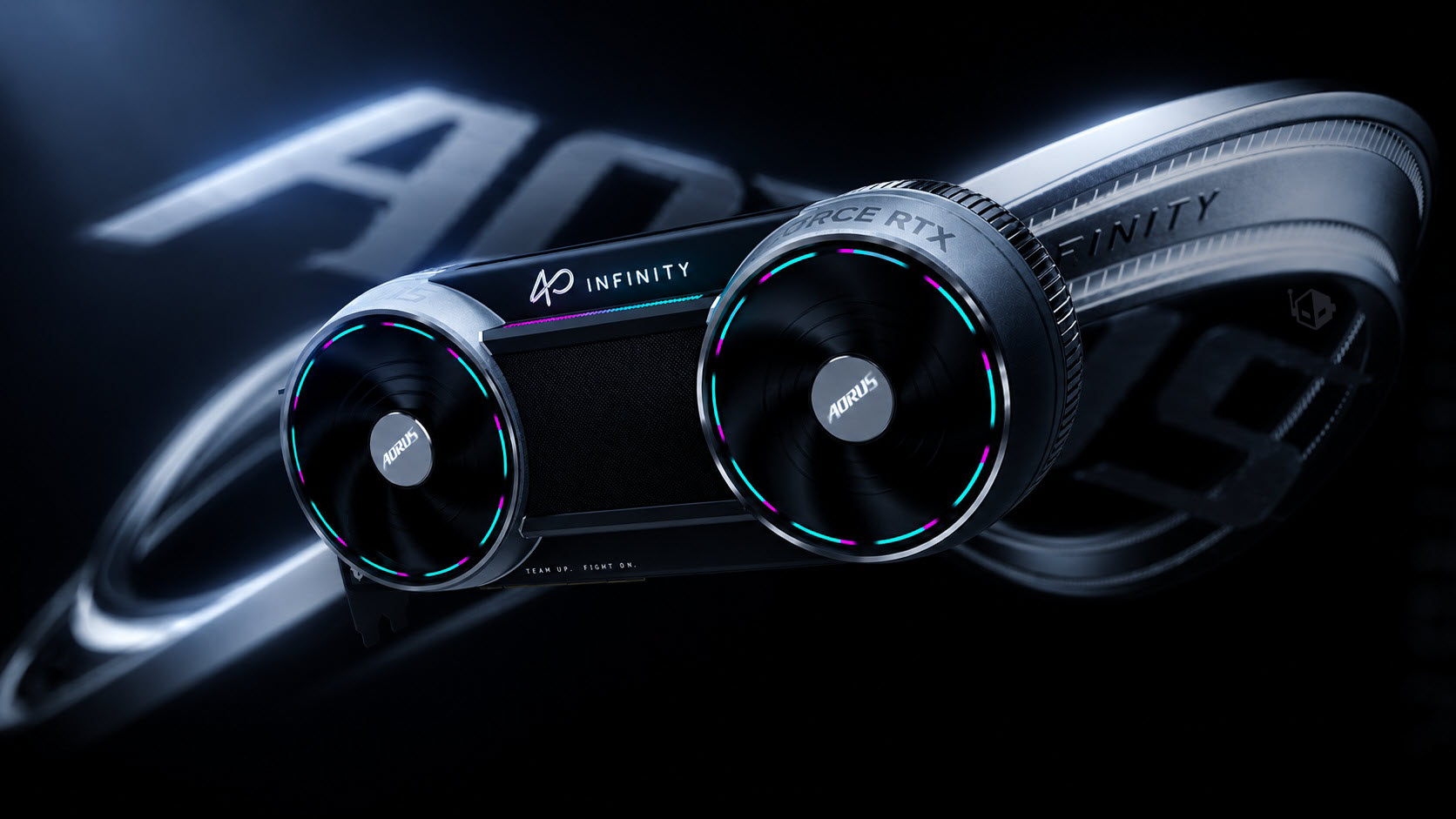
In the world of high-performance GPUs, where every millisecond counts, Gigabyte's RTX 5090 Infinity stands out with a clever cooling trick: three fans working behind a dual-fan aesthetic. That isn't just for show—it translates to better heat dissipation and stability under load, a critical factor in enterprise environments where uptime is non-negotiable.
But the real standout here is the factory overclock. At 323 MHz, this card pushes beyond the baseline without sacrificing longevity or reliability. For data centers and workstations running demanding workloads, that extra clock speed can mean faster render times and smoother simulations—without the usual tradeoff of increased heat output.
Key Specifications
- Cooling: Triple-fan design with a dual-fan visual (3x 90mm AORUS fans)
- Factory Overclock: +323 MHz core clock boost
- Memory: 24 GB GDDR6X, 18 Gbps effective clock speed
- VRAM Capacity: 24 GB (expandable for future-proofing)
- Power Consumption: 450W TDP with optimized power delivery
- Connectivity: Dual HDMI 2.1, triple DisplayPort 2.1, USB-C (DisplayPort alt mode)
The triple-fan setup is the most notable feature. While it maintains a sleek dual-fan look, the third fan operates in silence under normal loads and kicks in only when temperatures rise—effectively balancing aesthetics with performance. This is particularly useful for enterprise buyers who need to maintain a professional image while ensuring thermal efficiency.
However, the 323 MHz overclock isn't just about raw speed; it's about optimizing power delivery. The card maintains a 450W TDP, meaning you won't see a significant jump in power consumption despite the increased clock speeds. This is a smart move for enterprise setups where power efficiency directly impacts operational costs.
Real-World Impact
The RTX 5090 Infinity isn't just a marketing gimmick—it's a practical upgrade for professionals in fields like AI training, 3D rendering, and scientific simulations. The extra VRAM (24 GB) and the factory overclock make it a strong contender for workloads that push single-GPU limits.
But there are tradeoffs. The triple-fan design, while efficient, adds slight complexity to the build process if you're customizing cooling solutions. Additionally, the 323 MHz boost is modest compared to some aftermarket overclocks, so enthusiasts might find it underwhelming. For enterprise buyers, though, this card strikes a balance between performance and reliability.
What's next? Gigabyte hasn't announced pricing or availability yet, but given the demand for high-end GPUs in data centers, we can expect this to hit shelves within the next few months. If you're planning an upgrade now, it might be worth holding off—this card could redefine what enterprise buyers expect from a high-performance GPU.