Samsung's memory chip business is now generating profits, a major shift that reflects the intense competition and high demand in the global semiconductor market.
The South Korean giant has been ramping up production to meet surging needs for DRAM and NAND flash storage, two of the most critical components in data centers, AI workloads, and consumer electronics. While the move is a positive sign for Samsung's foundry arm, industry analysts caution that profitability could be fragile without sustained demand or cost control.
Memory chips have long been a battleground between Samsung, SK Hynix, and Micron, with prices fluctuating sharply based on supply and inventory levels. Samsung's ability to turn a profit now hinges on whether it can maintain strong order books while managing production costs—a challenge that has tripped up even the largest players in the past.
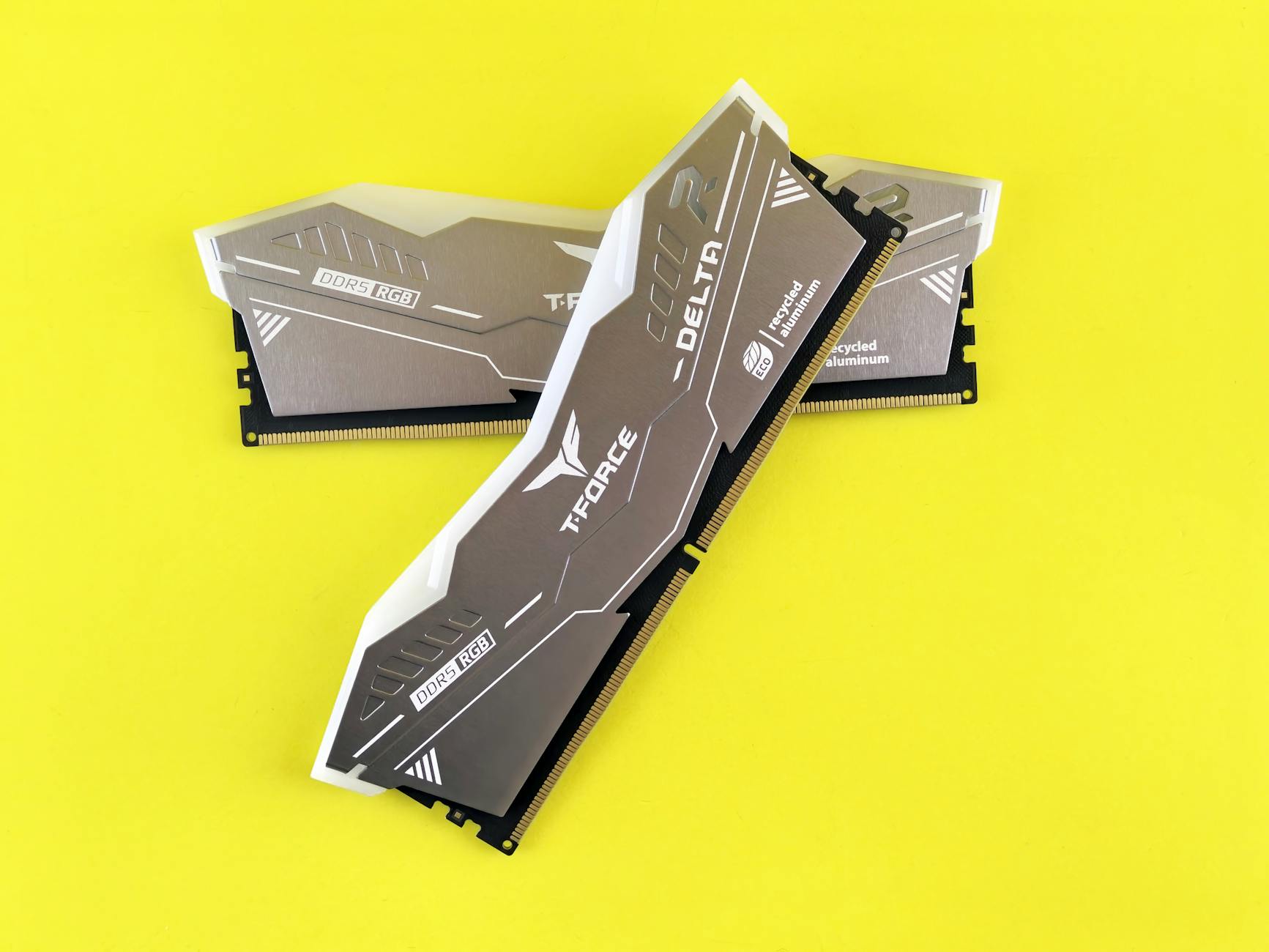
For data center operators and AI developers, this shift could mean more stable pricing for high-capacity modules, but it also raises questions about how long the market will stay buoyant. If demand cools or competitors ramp up faster, Samsung's profitability could reverse just as quickly.
The development underscores a broader trend: memory chips are no longer just a commodity. With AI and big data workloads driving record consumption, even established manufacturers must navigate a delicate balance between supply, cost, and innovation. Whether Samsung can solidify its position—or if this is a temporary peak—remains to be seen.