development is moving at breakneck speed, but one area that often gets overlooked by gamers is the underlying compute infrastructure that powers these advancements. That’s changing with Anthropic’s recent deal to leverage SpaceX’s Colossus 1 data centers, a move that could have ripple effects on how AI models like Claude are trained and deployed.
What stands out immediately is the sheer scale of this expansion. The partnership will allow Anthropic to tap into Colossus 1’s massive compute capabilities, which include custom hardware optimized for high-performance workloads. While details on exact specifications remain scarce, early reports suggest a focus on next-generation GPUs and specialized networking, likely targeting both training and inference tasks. For gamers, this could mean faster iteration cycles for AI tools integrated into gaming environments, but the real impact may not be felt until hardware trickles down to consumer products.
The timing of this deal is particularly interesting. SpaceX’s Colossus 1 data centers are still in their early stages, with only a handful of locations confirmed so far. This raises questions about when gamers might see tangible benefits from such infrastructure investments. If past trends hold, the first wave of improvements could be limited to cloud-based services or enterprise applications before making its way into consumer hardware.
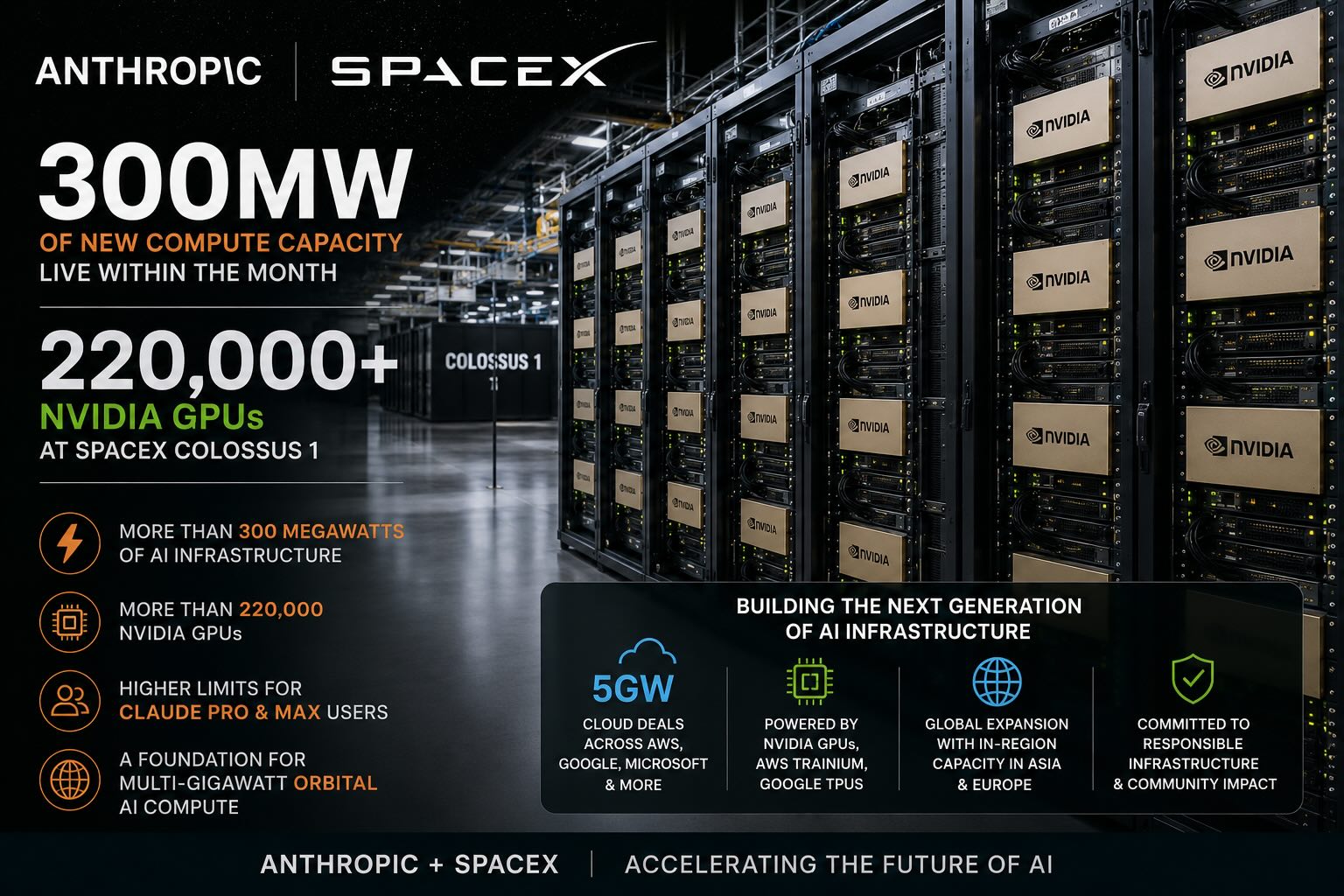
Looking ahead, the focus seems to be on pushing the boundaries of what’s possible with AI compute. Anthropic has hinted at a roadmap that includes both software optimizations and hardware advancements, but without concrete timelines, it’s difficult to gauge when these changes will translate into real-world performance gains for end users. One thing is clear: this deal is a significant step toward scaling Claude’s capabilities, but the journey from data center to gaming rig is still a long one.
The practical implications for gamers are still emerging. While AI-driven enhancements in games—like dynamic world generation or adaptive NPC behavior—are on the horizon, the heavy lifting of compute power remains a bottleneck. This partnership could accelerate that process, but it’s worth keeping expectations in check. The next few years will be critical in determining whether this expansion translates into faster, more efficient gaming experiences or if it gets lost in the noise of AI hype.
For now, the status quo for gamers is unchanged. Upgrade cycles are still dictated by GPU performance and thermal efficiency rather than AI compute advances. But with deals like this, the stage is set for a potential shift. Whether that shift arrives next year or several years down the line remains to be seen.