Sony's decision to adopt an 'always-online' DRM model for new PlayStation games marks a dramatic reversal from its past stance. The policy, which requires players to log in at least once to play offline, applies to all digital purchases made through the PlayStation Store starting immediately. This mirrors the approach Sony criticized Xbox for nearly a decade ago, when it argued that such measures were unnecessary and intrusive.
Key Details of the Policy
- All new games purchased digitally will require an online service account to play offline after the first installation.
- Physical copies and previously owned games are not affected by this change.
- Players can download and install games without an active internet connection, but must log in once to unlock offline functionality.
The shift comes at a time when Sony has positioned itself as a defender of player freedom. The company's long-standing opposition to DRM has been a key differentiator between PlayStation and Xbox. This sudden about-face has left many questioning whether it represents a temporary adjustment or the beginning of a broader strategic alignment with competitors.
Reaction and Implications
The gaming community has responded with swift backlash, highlighting the irony of Sony implementing a policy it once condemned. Analysts suggest this could be part of a deliberate strategy to converge PlayStation's online ecosystem more closely with Xbox's, particularly as both platforms vie for dominance in the gaming market.
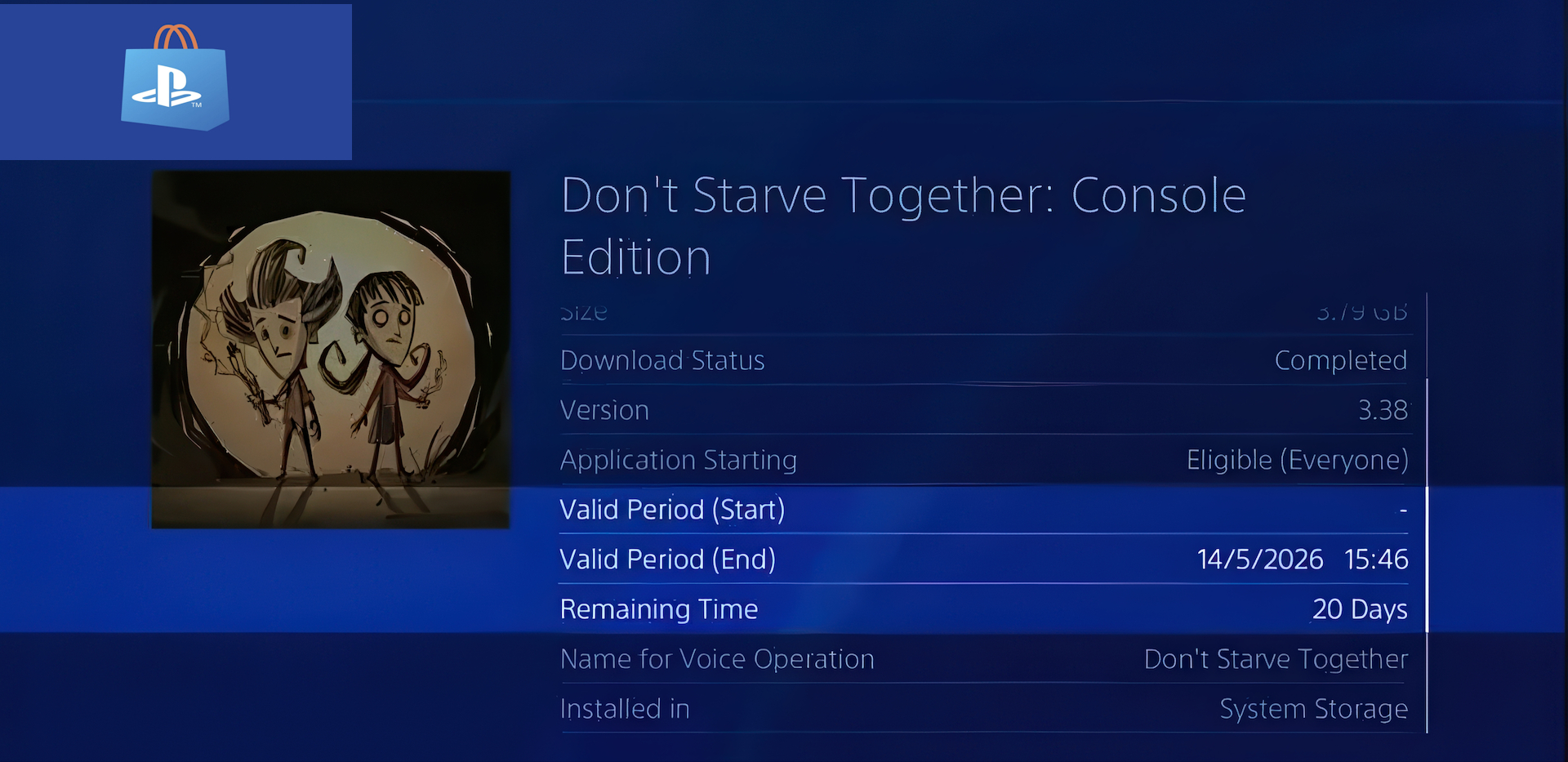
One notable aspect of the policy is its limited scope. Since it only applies to digital purchases, physical game copies remain unaffected. This distinction may complicate the secondary market for games but also means that players who trade or resell games will face fewer restrictions than under a more comprehensive DRM system.
The lack of clarity from Sony about whether this is a temporary measure or part of a long-term plan has added to the confusion. Gamers are left speculating about the implications, while industry observers watch closely to see if this shift will influence broader trends in game ownership and digital rights management.
Looking Ahead
The move raises important questions about the future of game ownership on PlayStation. While Sony has not provided a timeline for reviewing the policy, its decision to adopt an approach that closely resembles Xbox's could signal a fundamental change in how the company views digital content and player access.
For now, the gaming community remains divided—some see this as a necessary step to modernize PlayStation's online services, while others view it as a betrayal of the platform's core values. One thing is certain: Sony's decision will be closely scrutinized as it navigates the evolving landscape of digital rights and player expectations.