A developer working late on a complex algorithm suddenly hits a wall. The code compiles but won't run—until an AI assistant suggests a single line adjustment that unblocks hours of progress. That scenario, once a rare luxury, is becoming routine thanks to GitHub Copilot. But the cost of that convenience may soon change dramatically.
Starting this month, GitHub Copilot's pricing structure has undergone its most significant revision since launch. The free tier for individual developers is being phased out in favor of a subscription model with two distinct tiers: an annual plan priced at $399 per user and a monthly option at $100. While the annual price remains competitive against some industry peers, the shift eliminates the previously free access that helped Copilot become a staple for millions.
This change doesn't just affect wallet sizes—it signals a broader transformation in how AI coding tools are integrated into professional workflows. The new pricing model introduces usage limits: 60 hours of code generation per month for the annual plan, dropping to 30 hours on the monthly subscription. That's down from an unlimited generation cap that was once Copilot's signature feature.
- Key changes:
- Annual subscription: $399 (60 hours/month)
- Monthly subscription: $100 (30 hours/month)
- Free individual access discontinued
- Enterprise plans remain separate with custom pricing
The move comes as AI coding assistants face increasing scrutiny over licensing costs and usage policies. Competitors like Amazon CodeWhisperer have already adopted similar gated models, suggesting an industry-wide pivot toward metered access rather than the 'freemium' approach that defined Copilot's early growth.
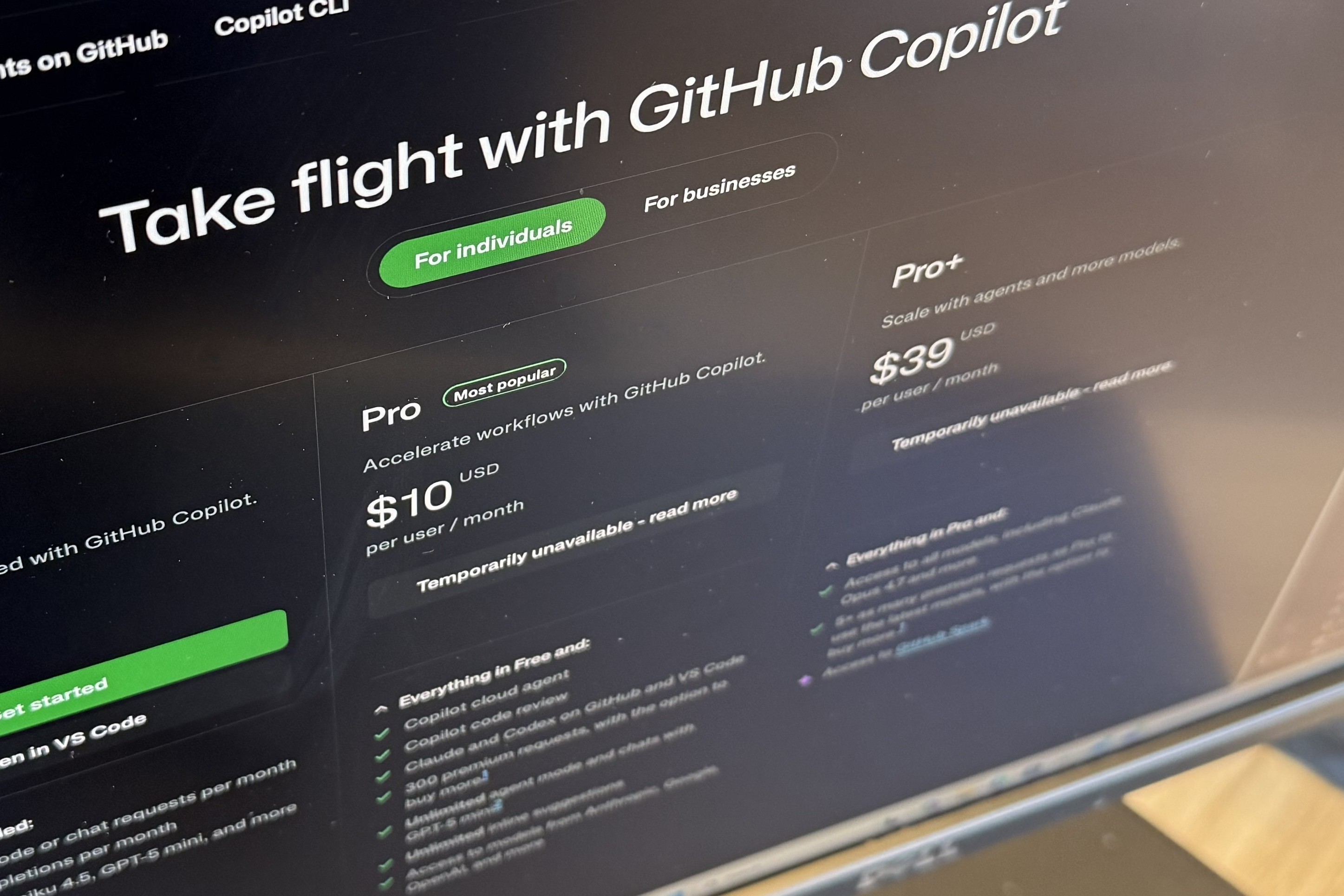
For individual developers, the impact will be immediate: those relying on free access must now decide between committing to a yearly expense or facing more frequent interruptions in their coding flow. For teams and enterprises, the change may accelerate adoption of dedicated enterprise plans with additional safeguards—though at a cost that could strain smaller development shops.
What remains unchanged is Copilot's core functionality: real-time code suggestions across 12 programming languages, natural language explanations, and deep integration with IDEs like Visual Studio Code. The AI still understands context, generates entire functions, and even writes unit tests—capabilities that remain unmatched in the market.
Looking ahead, this pricing shift could force a reckoning about how society values AI-assisted development. If metered access becomes standard, developers will need to recalibrate their expectations around 'unlimited' creativity. The tools that once felt like magic may soon require more deliberate cost-benefit analysis—just another line item in the software budget.