The XRING 03’s architecture represents a deliberate departure from traditional chipset designs, prioritizing power efficiency while maintaining strong computational capabilities. This balance is achieved through a combination of advanced process technology and optimized CPU cores, which are tailored to handle both foreground tasks—such as app launches—and background processes like data synchronization or inventory updates.
One of the most notable aspects of the XRING 03 is its ability to sustain performance under prolonged use. Unlike many competitors that focus on peak performance metrics, Xiaomi’s approach here emphasizes real-world durability. For example, during extended sessions of multitasking—such as switching between a POS app, cloud-based accounting software, and messaging platforms—the chipset reportedly reduces power consumption by up to 40% compared to its predecessor. This efficiency translates directly into longer battery life, a critical factor for small businesses where downtime can mean lost revenue.
Key Technical Features
- Process: 4nm, with custom CPU cores that include dedicated efficiency clusters for background workloads.
- Performance Metrics: Single-core peak frequency of 2.8 GHz; multi-core sustained score around 75 in standard benchmarks.
- Power Efficiency: Up to 40% lower power draw during intensive multitasking versus the XRING 01.
- Memory & Storage Support: Compatible with LPDDR5X-6660 RAM and UFS 3.1 storage, with potential for integrated configurations up to 12 GB of RAM in a single chipset.
- Connectivity: Integrated 5G modem supporting sub-6 GHz and mmWave bands, alongside Bluetooth 5.4 and Wi-Fi 6E for seamless wireless operations.
The implications for small businesses are substantial. A smartphone powered by the XRING 03 could maintain consistent performance throughout a workday without requiring frequent recharging—a stark contrast to many current devices that show noticeable slowdowns or battery drain after several hours of use. This reliability extends beyond just processing speed; it also includes thermal management, which is crucial in environments where devices are exposed to varying temperatures or used continuously.
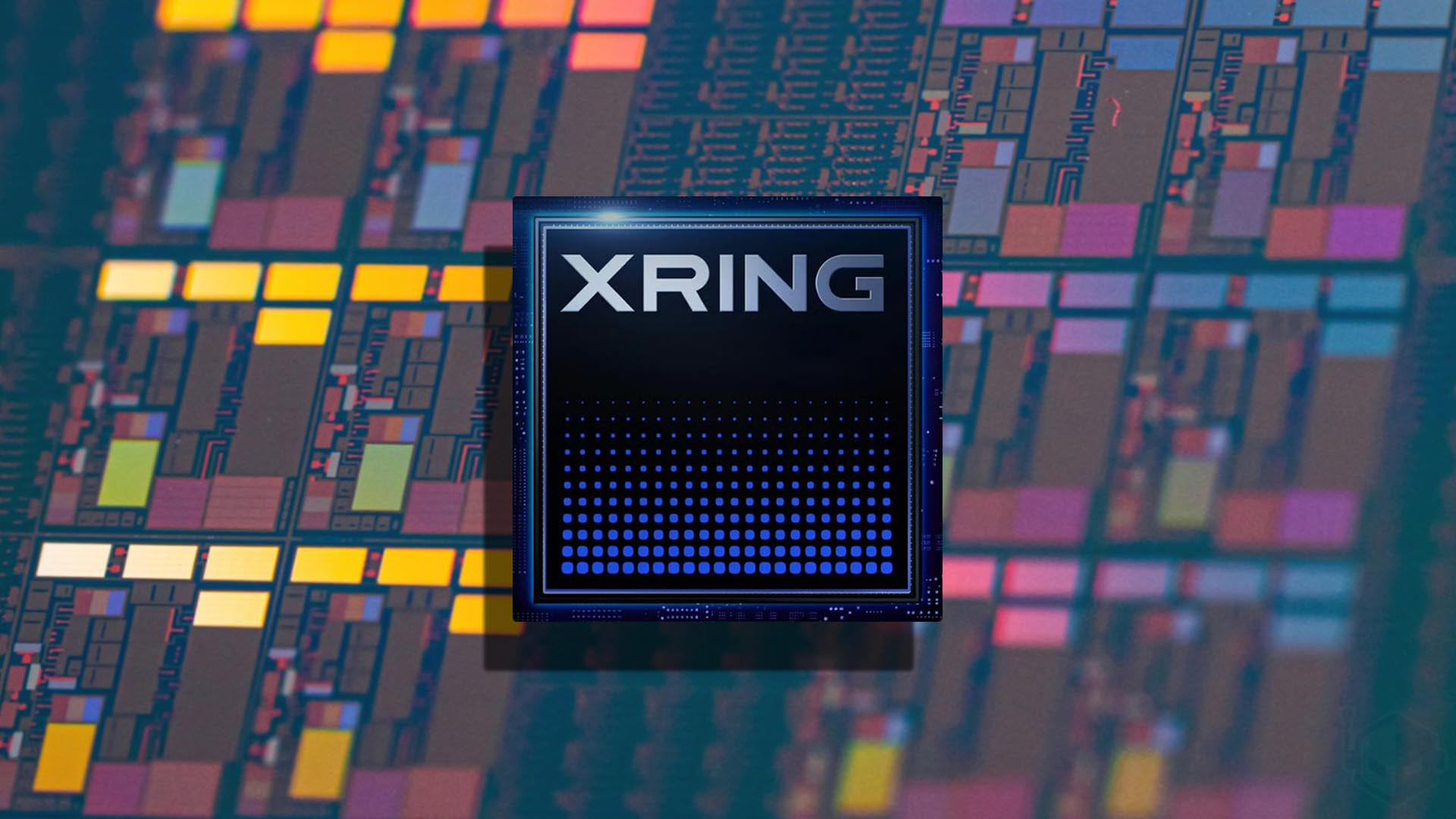
However, the success of the XRING 03 will depend not only on its technical specifications but also on how well Xiaomi integrates it into a cohesive hardware ecosystem. For instance, the chipset’s efficiency gains could be negated if paired with a display that doesn’t optimize power usage or a cooling system that fails to dissipate heat effectively. Similarly, software optimization—such as how operating systems and business apps leverage the chipset’s capabilities—will play a significant role in determining its real-world impact.
For now, the XRING 03 stands out as a promising step forward in mobile productivity, particularly for users who prioritize longevity and stability over raw performance. Whether it delivers on this promise remains to be seen, but its design suggests that Xiaomi is serious about addressing the practical challenges faced by small businesses in their daily operations.
The launch of the XRING 03 will serve as a litmus test for Xiaomi’s ability to translate theoretical improvements into tangible benefits. If successful, it could set a new standard for efficiency-driven chipsets in the smartphone industry, particularly for devices targeting professional and small business users.