The Exynos 2700 is set to be the first mass-produced system-on-chip built on a 2nm process, promising significant power savings and performance improvements over its predecessors. However, Samsung has removed one feature from its roadmap due to production challenges, leaving PC builders with a chip that delivers advanced capabilities but at a cost they may not have anticipated.
At the heart of this tradeoff is the decision to omit dynamic voltage and frequency scaling (DVFS) in the Exynos 2700. This feature, which adjusts clock speeds dynamically to optimize power consumption, was expected to play a crucial role in maintaining thermal efficiency and extending battery life—key considerations for mobile devices. Its removal suggests that Samsung is prioritizing cost savings over some of the chip’s potential performance benefits, particularly in scenarios where sustained high performance is less critical.
The Exynos 2700 still packs impressive specifications. It features a quad-core Cortex-A78 CPU cluster operating at up to 3.4 GHz and a Mali-G710 GPU, designed for demanding workloads such as gaming, video editing, and AI processing. Samsung’s 2nm process, while not yet in full production, promises a 45% reduction in power consumption compared to its 4nm predecessor, the Exynos 2600. This efficiency is a major selling point, but without DVFS, the chip may struggle to maintain that balance in prolonged high-load tasks.
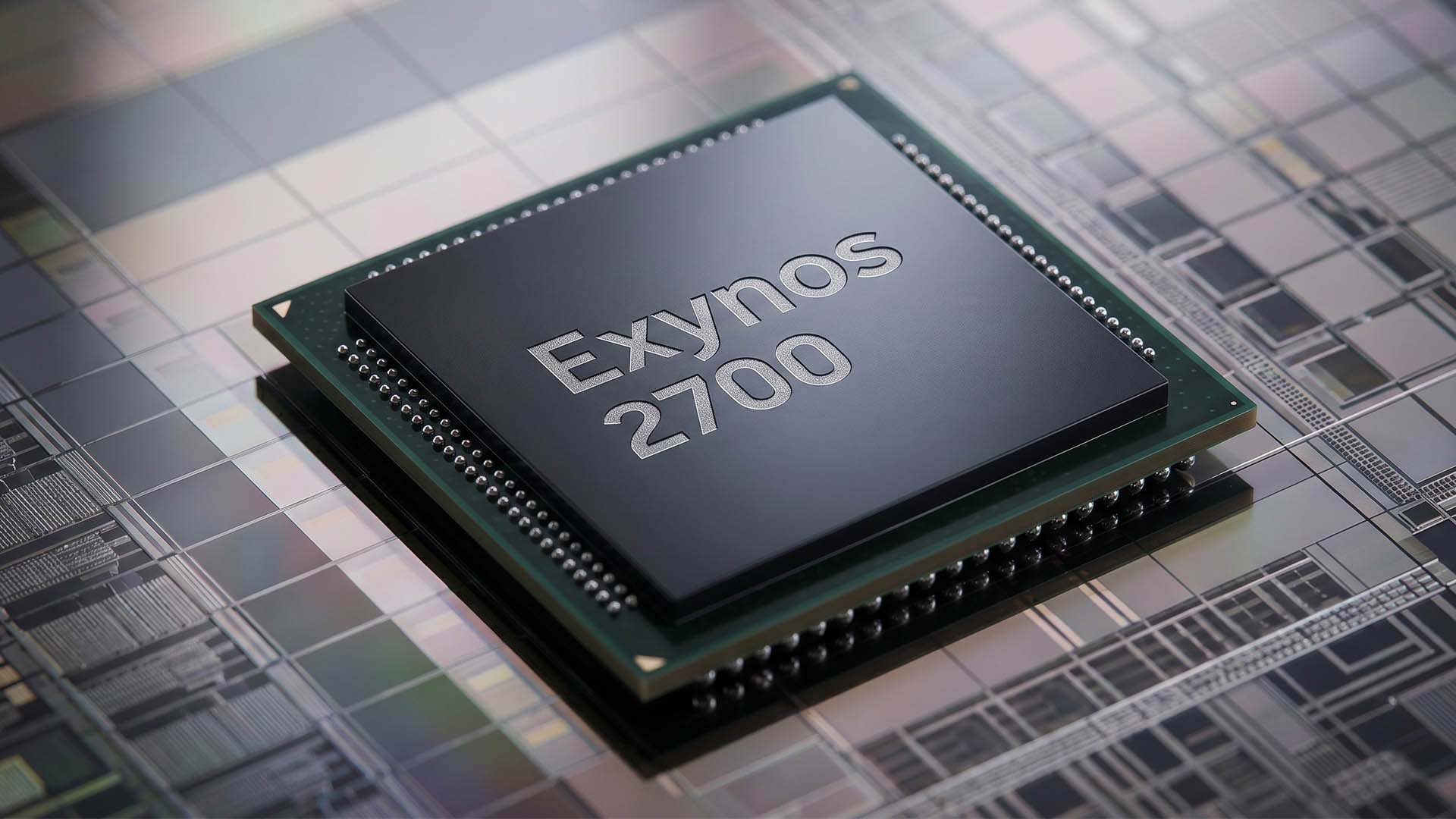
For PC builders, this tradeoff could mean a shift in how they approach thermal design and power management. Without DVFS, systems built around the Exynos 2700 may require more aggressive cooling solutions or face limitations in sustained performance under heavy workloads. This is particularly relevant for workflows that demand long-duration processing, such as video rendering or complex simulations, where thermal throttling could become a more pronounced issue.
Samsung’s move also raises questions about the broader impact on the 2nm ecosystem. If cost-cutting measures become more common in advanced process nodes, it could slow the adoption of these technologies in high-performance applications. The Exynos 2700 remains a testament to Samsung’s ability to push boundaries, but its limitations serve as a reality check for those expecting seamless transitions to next-generation processes.
The Exynos 2700 is expected to debut in flagship smartphones and tablets later this year, offering a glimpse into how Samsung plans to balance innovation with practical constraints. For PC builders, the chip’s arrival will likely be a mixed bag: advanced features that push performance envelopes, but with tradeoffs that may not align perfectly with their workflow needs.