Small businesses relying on high-performance NVMe SSDs in Windows 11 will no longer be able to force faster read/write speeds through a registry hack. Microsoft removed the workaround that bypassed its legacy SCSI emulation layer, which has been standard since Windows Server 2025 but remains disabled on consumer builds.
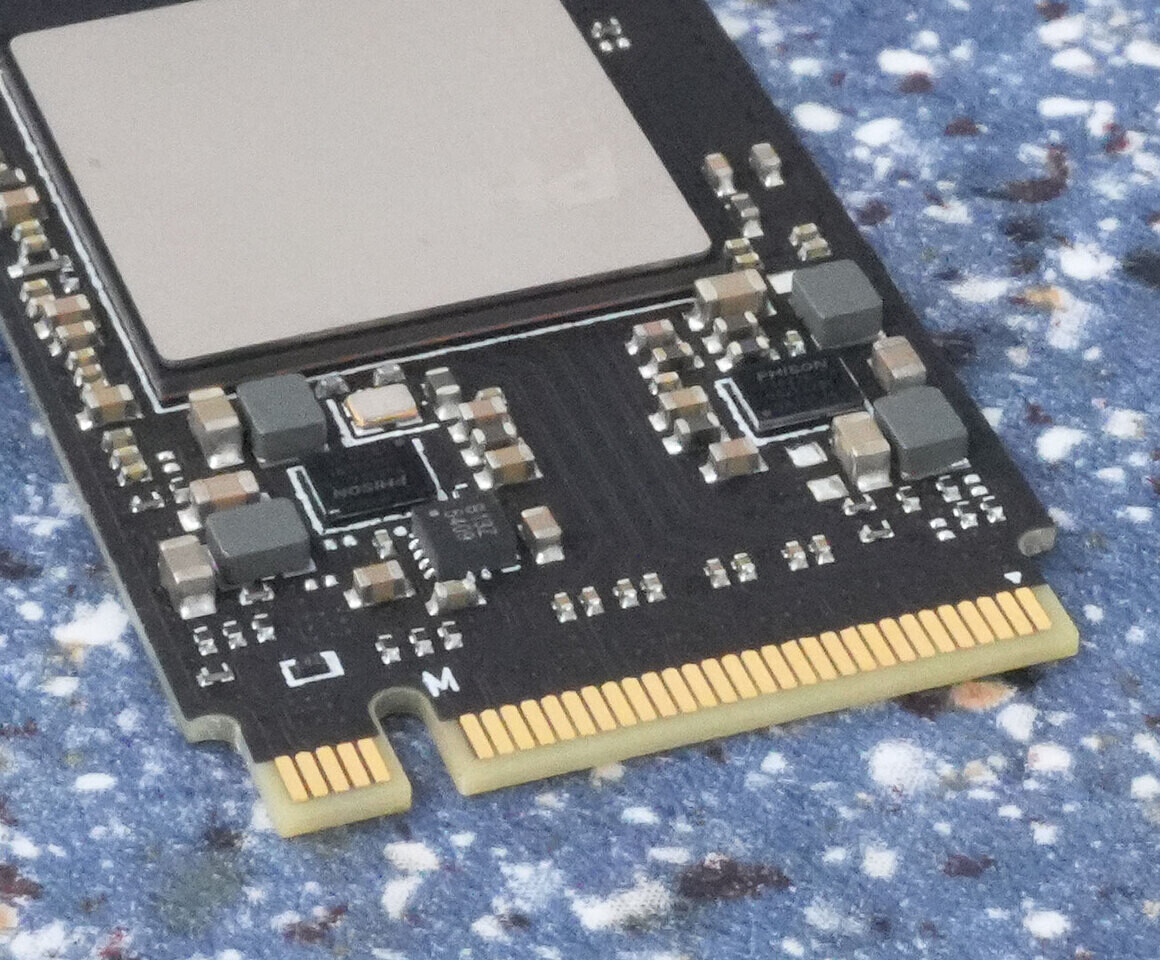
Native NVMe support, introduced in Windows Server 2025 as an opt-in feature, eliminates the overhead of translating NVMe commands into SCSI equivalents. This redesign was intended to restore peak SSD performance, but only for server environments. The same native stack is expected to arrive in Windows 11 via the upcoming 25H2 update, though without the manual tweaks that once allowed enthusiasts to unlock it early.
- Key specs and changes:
- Registry hack (four DWORD values) previously enabled native NVMe stack on Windows 11.
- Third-party tools like ViVeTool can still apply the feature IDs, but with greater risk of instability.
- Windows 11 continues to emulate SCSI commands for consumer SSDs, adding latency and overhead.
- Native support is confirmed for Windows-on-Arm devices in the 26H2 update.
The removal of the registry method does not affect server users, who already receive native NVMe processing. For small businesses, this means any performance gains from high-end SSDs will remain limited until Microsoft officially enables the feature in a future consumer update. Until then, the only viable path to native speeds is through third-party utilities—an approach that carries potential system instability risks.
Engineers behind the server implementation faced the classic tradeoff: balancing immediate performance with long-term stability. By postponing the consumer rollout, Microsoft prioritized a polished, tested stack over early access. Small businesses should monitor the 25H2 update timeline to see when native NVMe support becomes available without workarounds.