World Backup Day, traditionally a time for steep discounts on storage solutions, is no longer the deal fest it once was. The holiday, observed annually on March 31st, has historically drawn tech-savvy consumers and businesses alike with promises of significant savings on hard drives, SSDs, and cloud services. However, this year’s landscape looks starkly different.
Gone are the days when users could snag multiple terabytes of storage at a fraction of their usual cost. While some manufacturers still offer promotions, they are far less aggressive than in previous years. The shift reflects broader industry trends, including rising production costs and a more cautious approach to pricing by retailers. For enterprises, this means that the holiday’s usual buying spree may no longer be a reliable strategy for upgrading storage infrastructure.
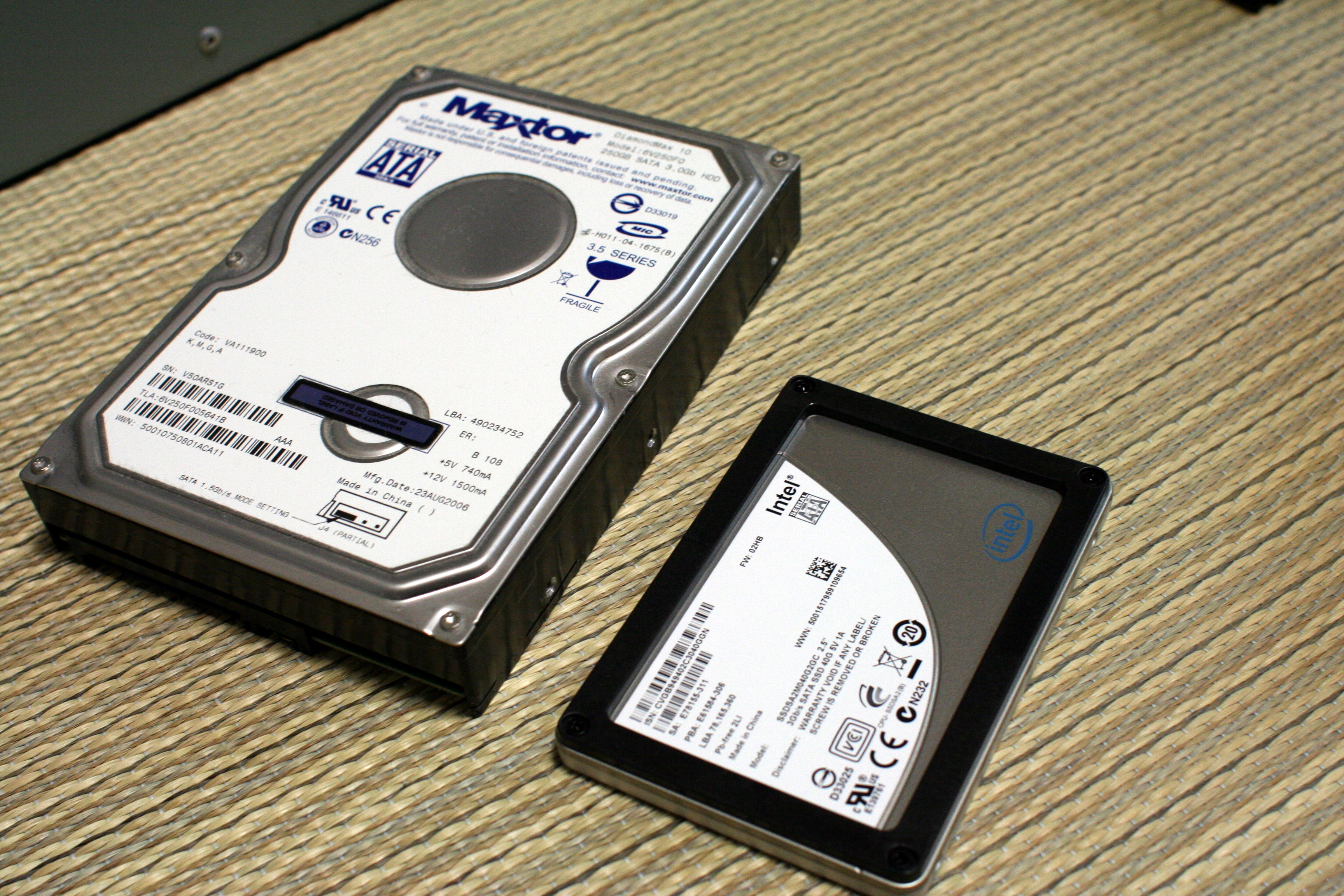
The change is particularly notable in the SSD market, where prices have remained elevated due to persistent supply chain challenges. Even during World Backup Day, discounts are often modest—perhaps 10-20% off rather than the deep cuts of yesteryear. This leaves IT departments scrambling to justify purchases that no longer deliver the same value they once did.
For consumers and businesses alike, the message is clear: the days of scoring high-capacity storage at bargain prices during this annual event are fading. The focus has shifted toward long-term reliability and performance, with less emphasis on short-term savings. As a result, users are increasingly turning to subscription-based models or enterprise-grade solutions that offer more predictable pricing structures.
The implications for the industry are significant. Manufacturers may need to rethink their promotional strategies if they want World Backup Day to retain its relevance. Meanwhile, buyers should not rely on this holiday as a primary opportunity for storage upgrades, opting instead for more strategic, year-round planning.