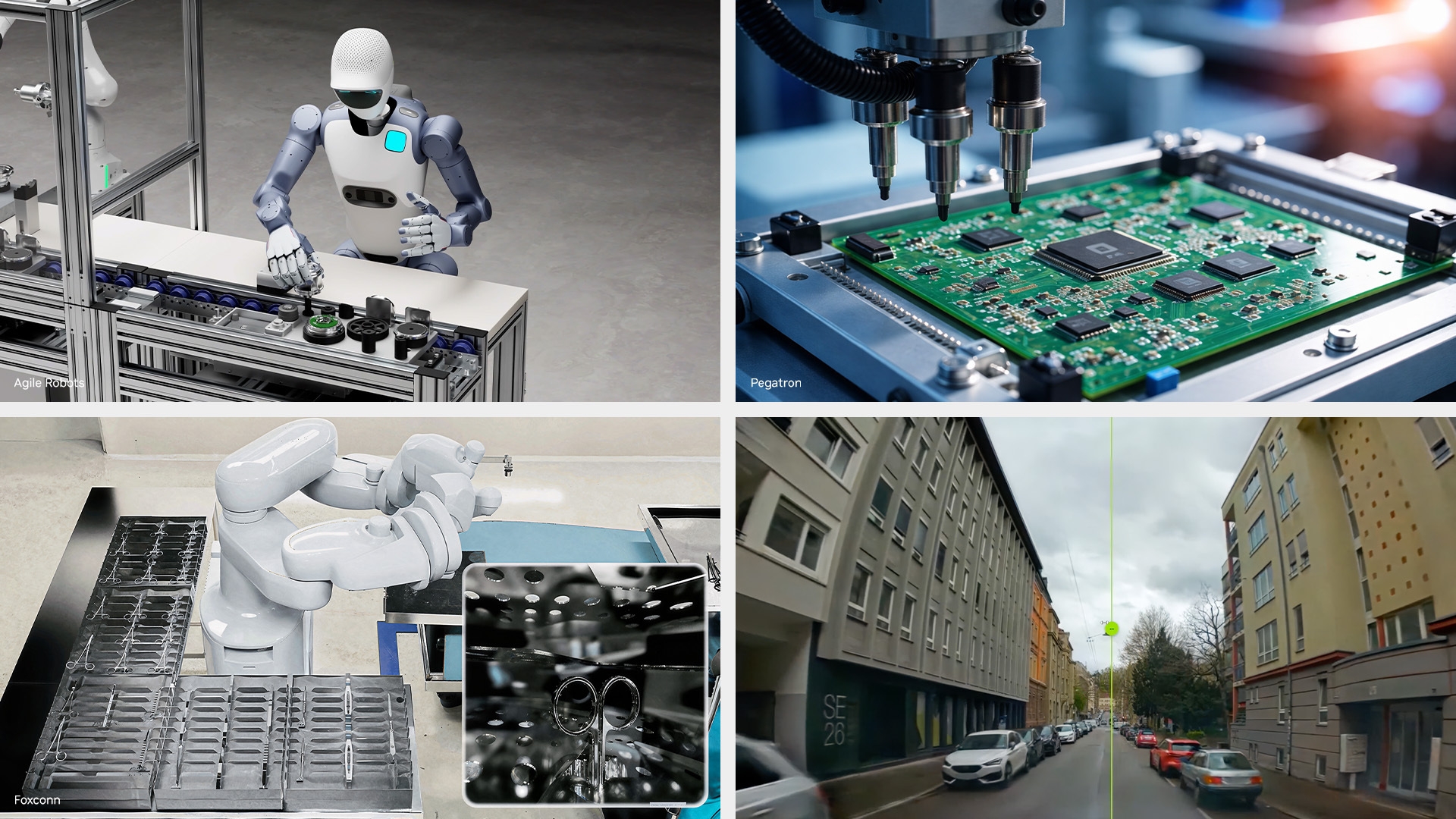
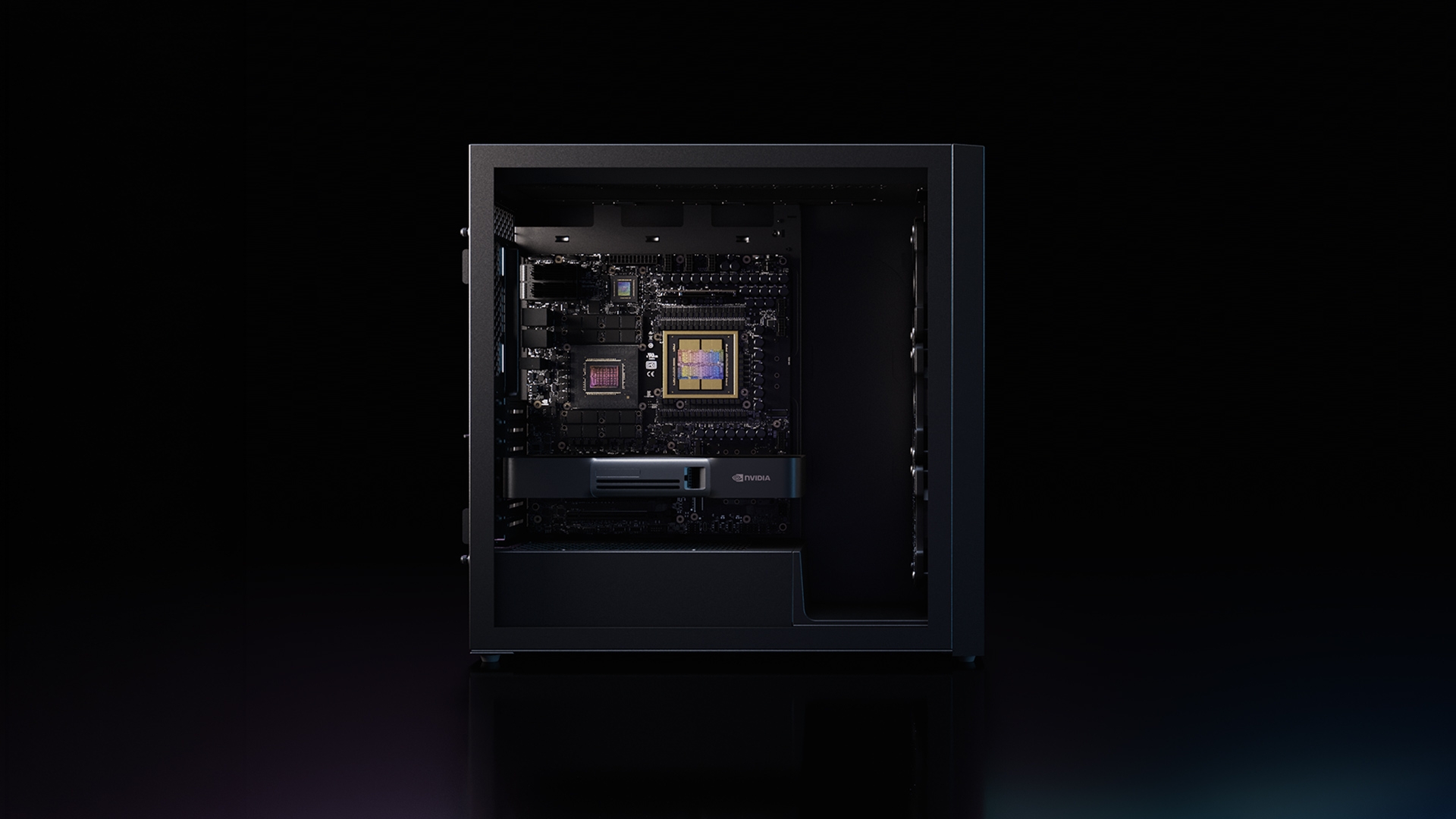
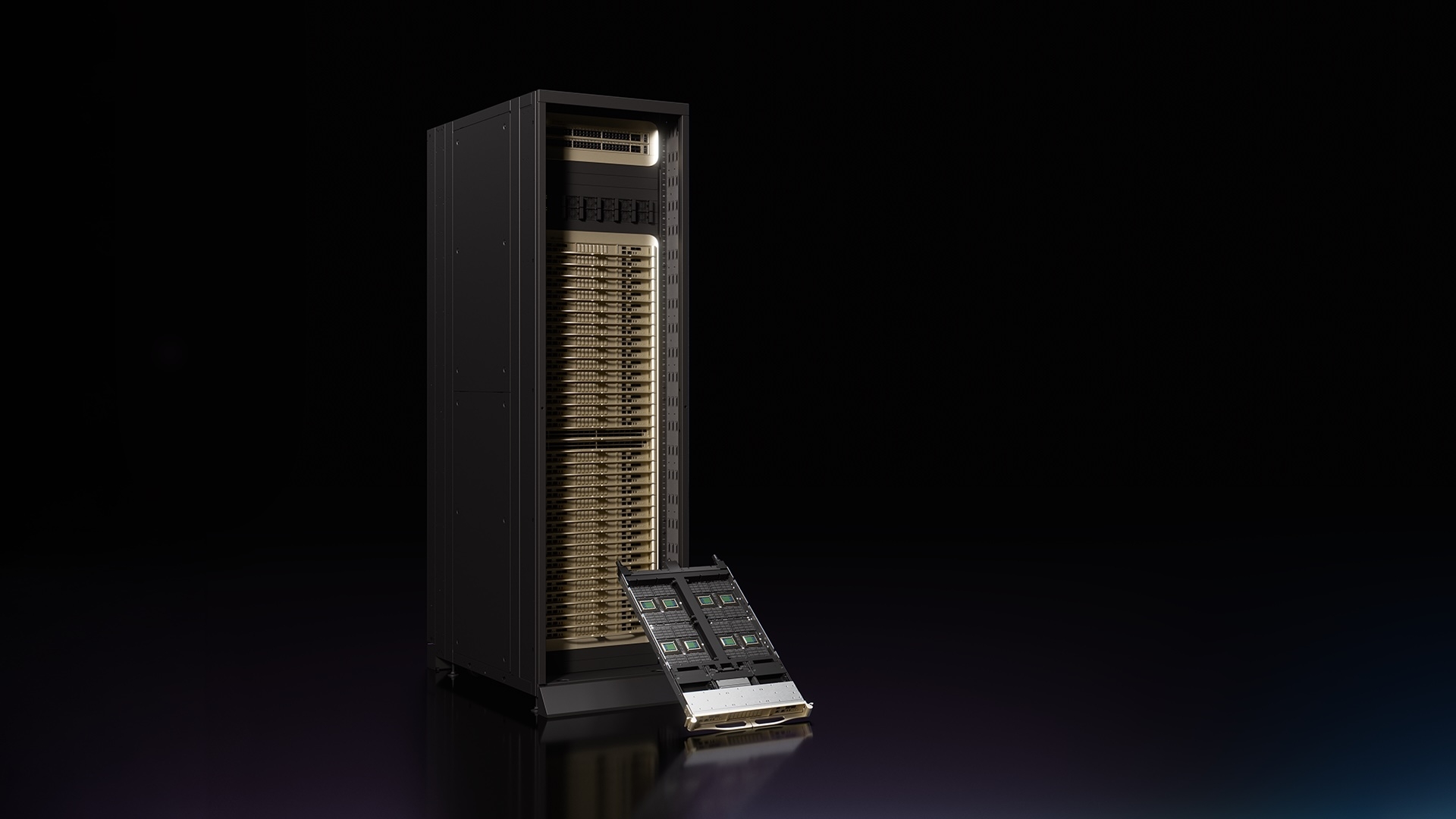
Taiwan is emerging as a pivotal player in the global AI infrastructure landscape, particularly through its production of NVIDIA MGX rack components. These components, designed for NVIDIA Vera Rubin systems, are being manufactured across 25 factory sites with contributions from over 500 partners. The focus on thermal management and energy consumption is driving this shift, as the new racks aim to deliver high computational throughput while minimizing heat output—a critical factor for AI workloads.
Efficiency at Scale
The MGX components represent a significant leap in performance-per-watt efficiency. Unlike traditional data center setups, these systems are engineered to handle demanding AI tasks with lower power consumption. This is achieved through advanced thermal solutions that reduce energy waste, making them ideal for large-scale deployments where operational costs are a key concern.
Why Taiwan?
Taiwan's manufacturing ecosystem has long been integral to global tech supply chains, but its role in AI infrastructure is expanding rapidly. The concentration of production in the region allows for seamless integration between hardware design and thermal solutions, streamlining large-scale deployments. However, this efficiency comes with trade-offs.
The Vendor Lock-In Challenge
While the performance-per-watt improvements are undeniable, the proprietary nature of NVIDIA's Vera Rubin architecture introduces long-term risks for IT teams. Organizations adopting this platform may find themselves dependent on a single vendor ecosystem for future upgrades or optimizations. This dependency could limit flexibility and increase costs over time, despite the immediate benefits in efficiency.

Looking Ahead
The new MGX components are expected to enter full production soon, targeting AI training clusters, real-time analytics, and edge computing deployments where power efficiency is paramount. The shift toward more sustainable infrastructure aligns with broader industry trends, but the proprietary nature of the platform will shape its adoption in the coming years.
Key Considerations
- The production of NVIDIA MGX rack components in Taiwan signifies a major advancement in AI infrastructure efficiency.
- Thermal management and energy consumption are central to this buildout, with potential cost savings for large-scale deployments.
- Vendor lock-in remains a concern, as the Vera Rubin architecture is tightly integrated with NVIDIA's ecosystem.
The implications for IT teams are significant. Those invested in NVIDIA's platform will benefit from improved performance-per-watt metrics, but they must carefully weigh the long-term risks of vendor dependency. Taiwan's manufacturing prowess ensures that the infrastructure is ready, but the question of scalability and interoperability will be crucial in determining its widespread adoption.