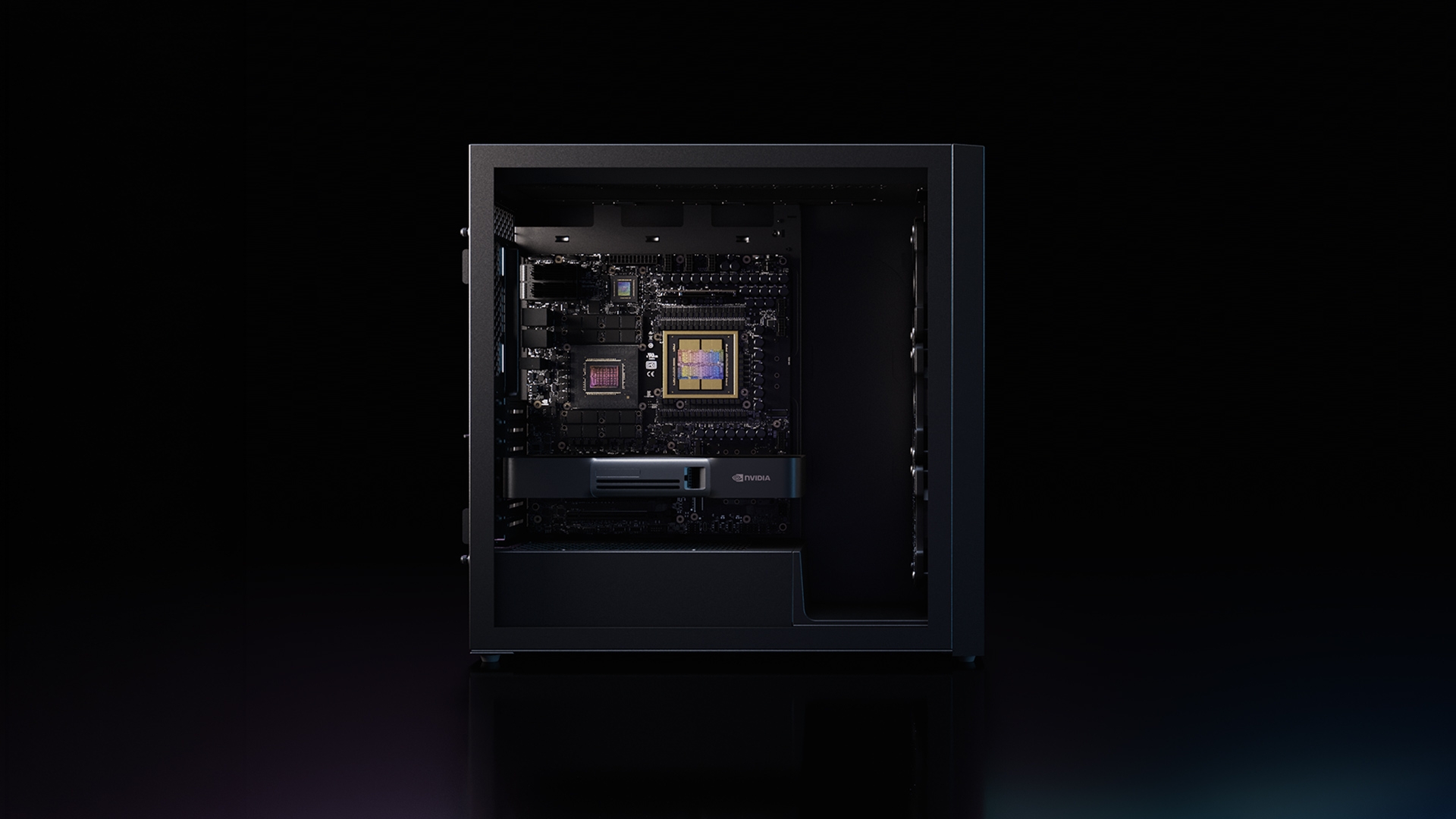
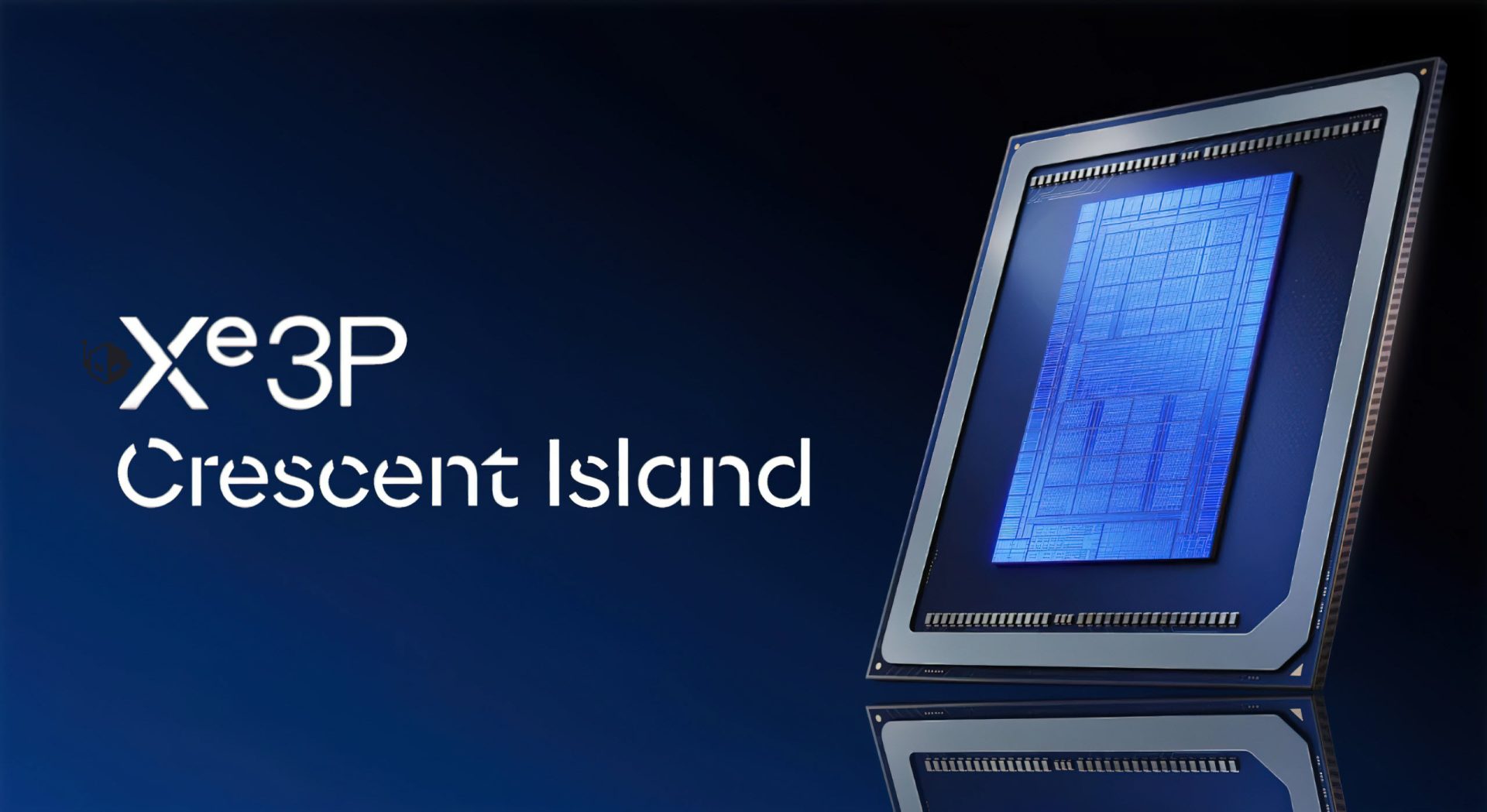
In the evolving landscape of artificial intelligence, enterprises often grapple with the dual demands of performance and cost. NVIDIA’s latest open-source initiative aims to resolve this tension by delivering a suite of tools that combine enterprise-grade capabilities with financial accessibility.
The Core Components
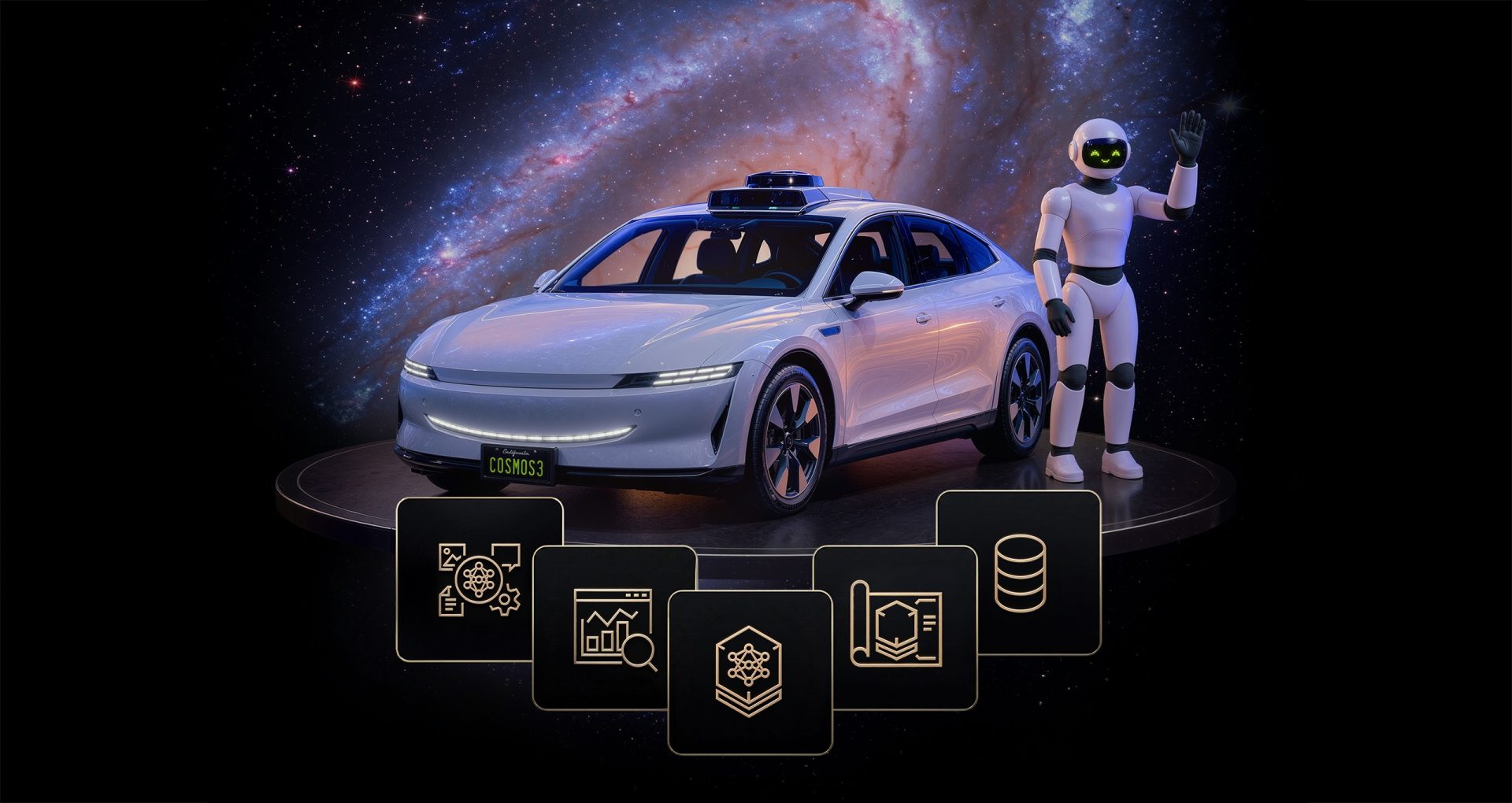
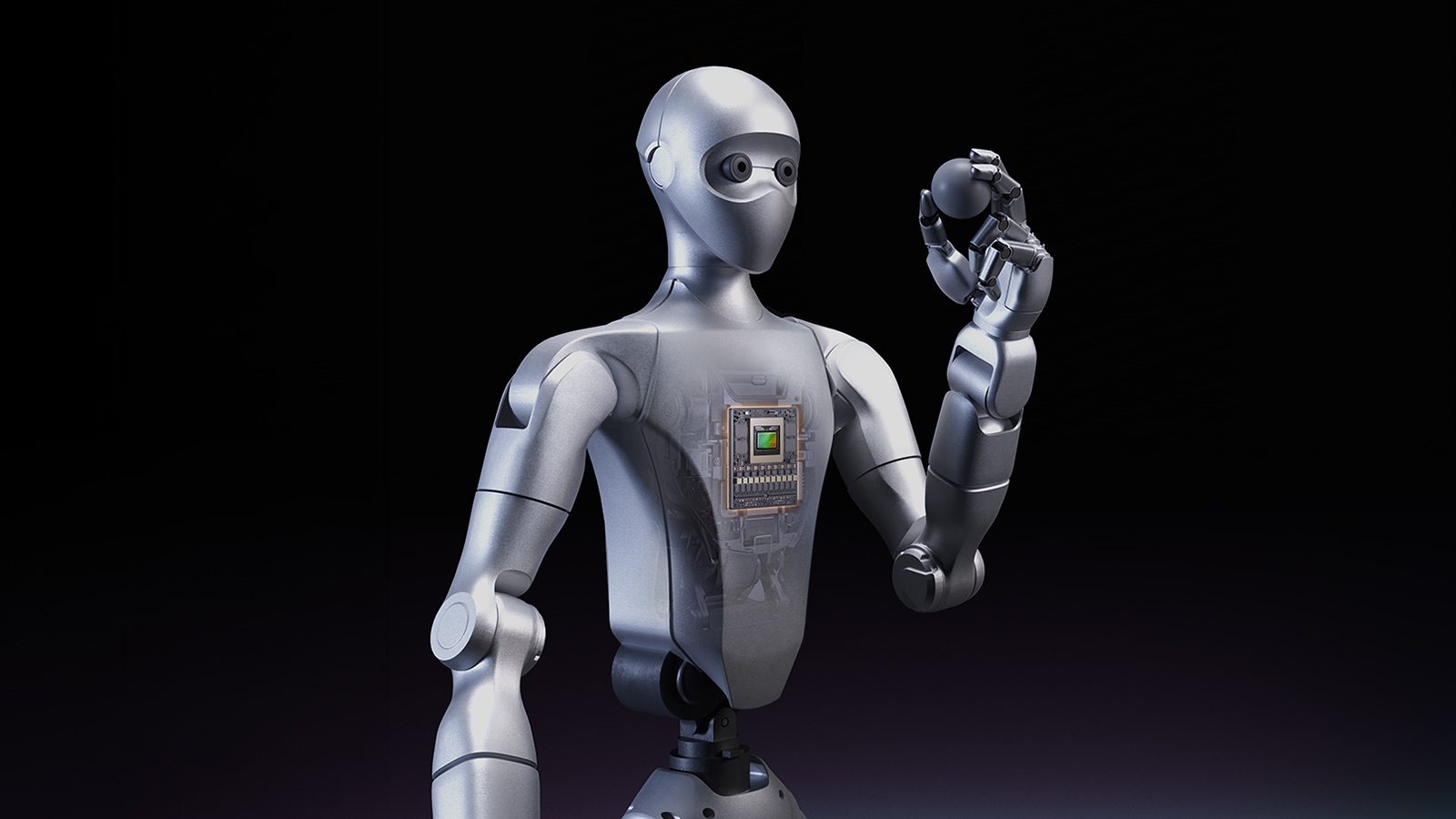
The new toolkit includes three key elements designed to streamline AI development for physical systems
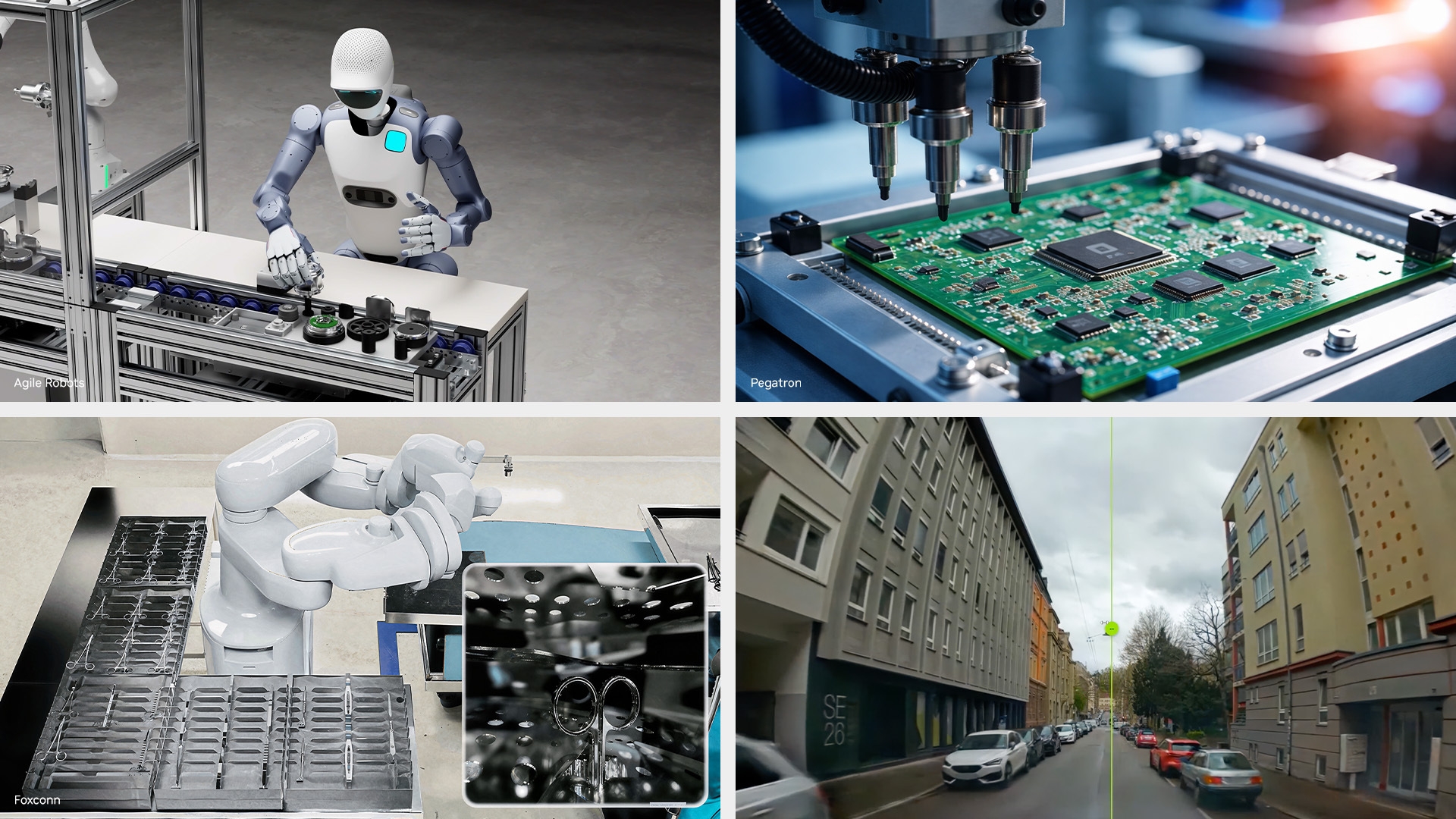
- Physical AI Agent Tools: A modular framework optimized for NVIDIA GPUs, supporting up to 8x faster inference on compatible hardware. This component enables training in both simulated and real-world environments, catering to a wide range of industrial applications.
- Pre-trained Skills Library: A collection of pre-built skills for navigation, manipulation, and perception tasks, significantly reducing development time by an estimated 70% for common use cases. This library serves as a foundation for rapid deployment in physical AI projects.
- Cross-platform Compatibility: The tools are designed to run on NVIDIA’s Isaac Simulator or real-world deployments using Jetson platforms. They leverage CUDA and TensorRT for hardware acceleration, ensuring seamless integration with NVIDIA’s existing ecosystem.
The suite builds upon NVIDIA’s established AI foundations, such as the Omniverse platform, while removing licensing restrictions. For instance, the agent training pipeline utilizes NVIDIA A100 GPUs (24GB or 40GB variants) for large-scale simulations, with benchmarks indicating a 3x improvement in training throughput compared to CPU-only setups.
Industry Implications
The release of these open-source tools occurs at a pivotal moment when enterprises are increasingly scrutinizing proprietary AI stacks. NVIDIA’s approach strikes a balance between its hardware-software integration advantages and the growing demand for accessible AI development. However, this balance comes with potential trade-offs, particularly for organizations using non-NVIDIA accelerators.
For IT leaders, the decision to adopt these tools hinges on two critical factors: immediate cost savings from open-source licensing and the long-term risk of vendor lock-in. While the tools lower the barrier to entry, enterprises must carefully evaluate whether the performance gains justify dependency on a single vendor’s hardware stack.
Future Considerations
The most notable aspect of this release is not merely the open-sourcing of tools but the redefinition of what constitutes 'enterprise-grade' in physical AI. By providing high-performance capabilities at a fraction of traditional costs, NVIDIA has set a new benchmark for what teams can achieve without proprietary constraints.
Unanswered questions remain about future support for non-NVIDIA platforms and how the open-source model will integrate with NVIDIA’s commercial offerings. These considerations will shape the adoption trajectory of the toolkit and its impact on the broader AI ecosystem.