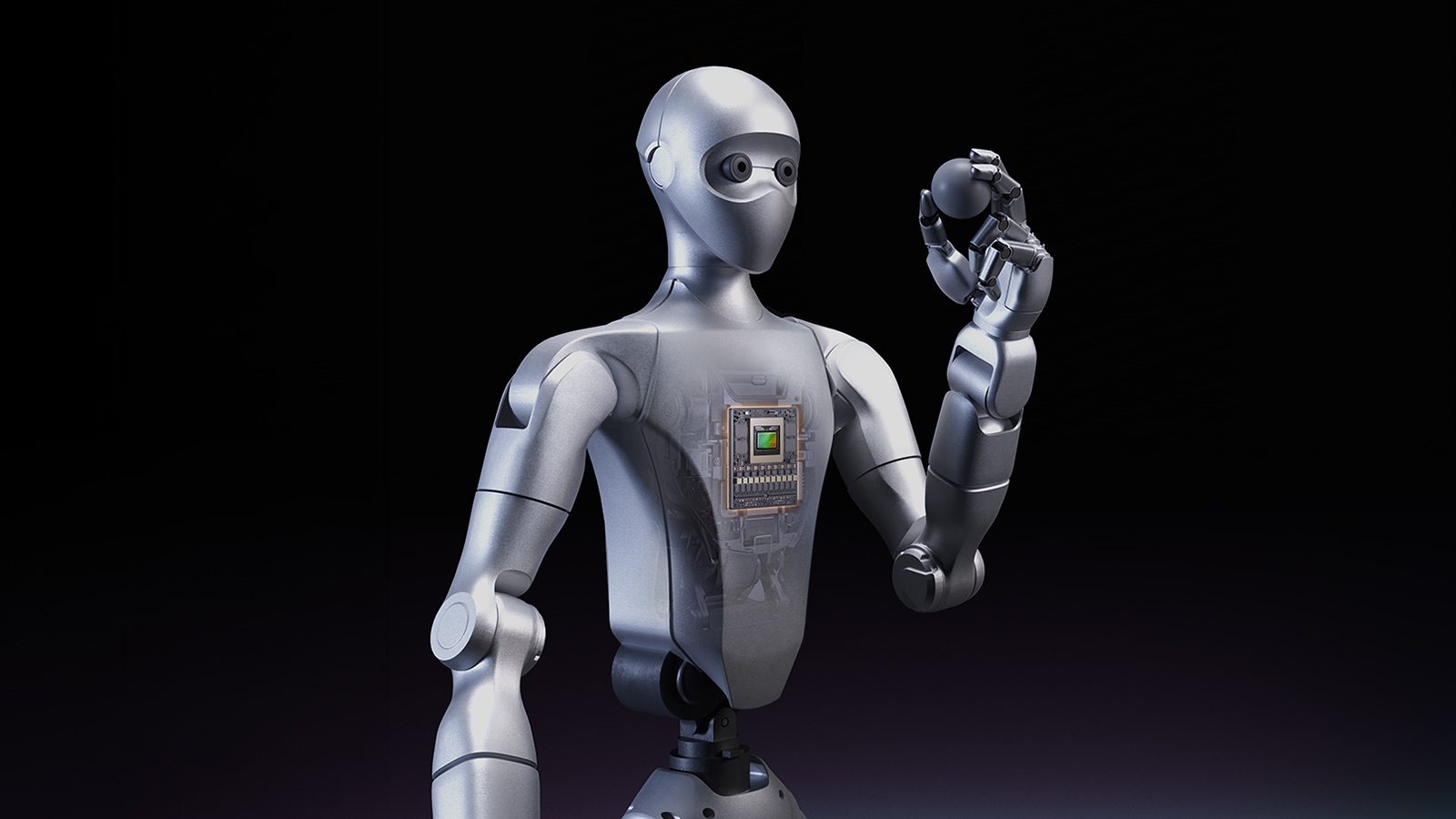
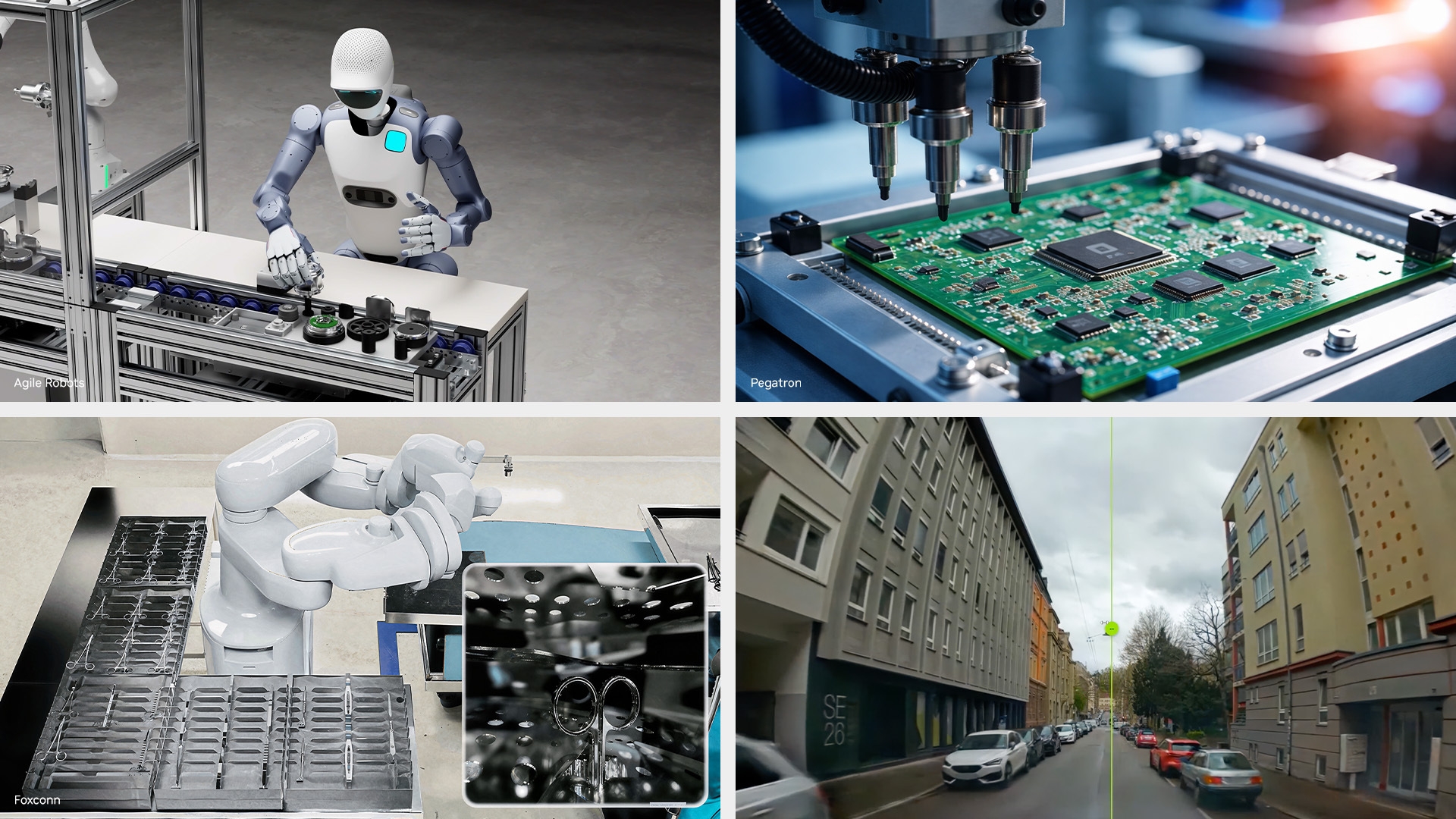
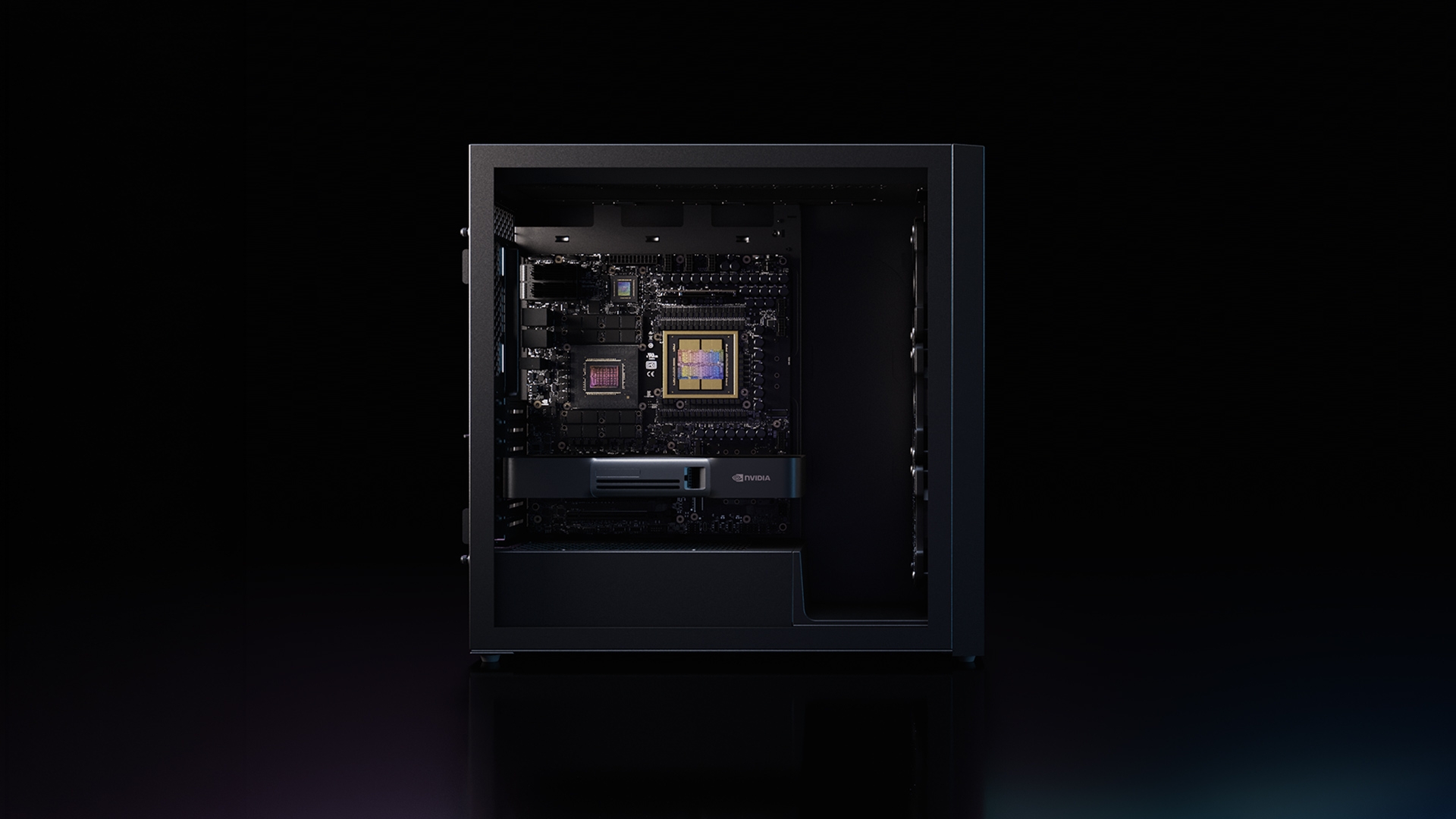
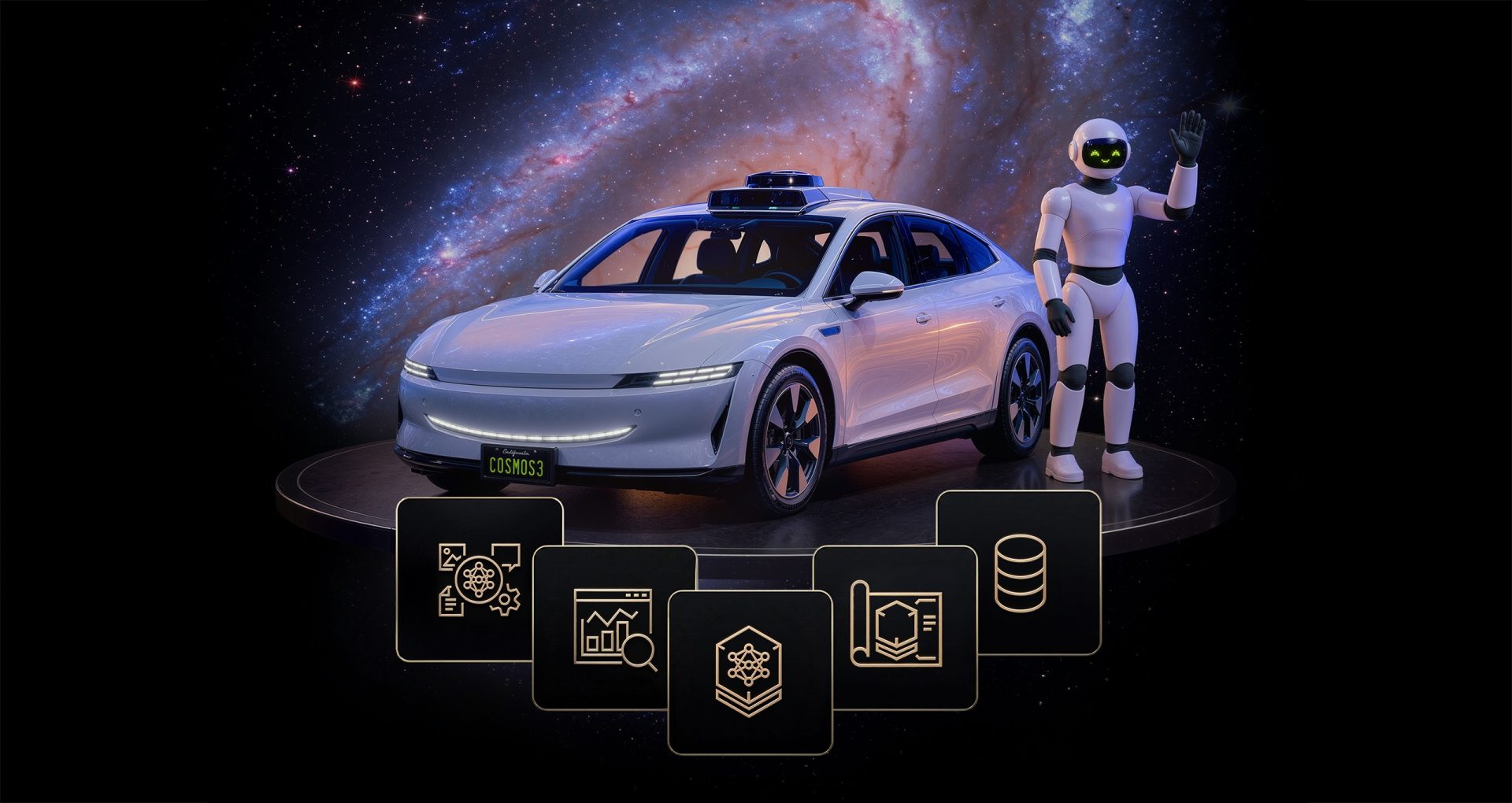
NVIDIA's Cosmos 3 represents a paradigm shift in AI-driven system development by merging physics-based simulation with real-world applications. Unlike conventional models that depend on empirical data alone, Cosmos 3 leverages NVIDIA's Omniverse platform to create seamless transitions between virtual and physical environments. This integration is particularly valuable for robotics and autonomous vehicle development, where accurate simulation can drastically reduce the need for physical testing.
The model's architecture supports large-scale digital twin simulations, reinforcement learning, and physics-based training, making it a versatile tool for developers working on complex AI systems. Its compatibility with existing NVIDIA hardware—including A100 and H100 GPUs—ensures that early adopters can integrate it into their workflows without immediate infrastructure overhauls.
- For system administrators, Cosmos 3 introduces new deployment considerations:
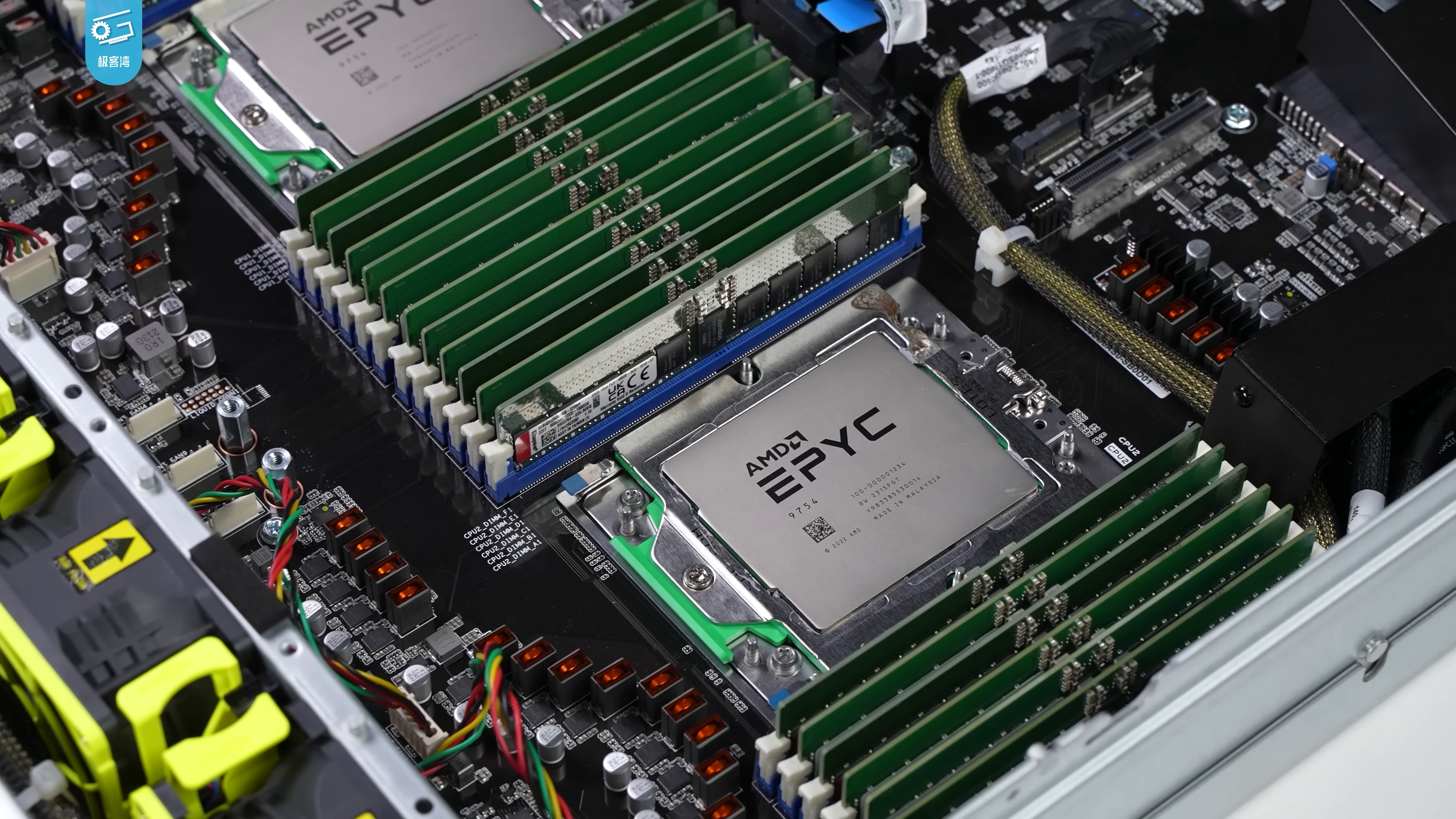
- The model's physics-grounded approach requires robust hardware to handle simulation workloads efficiently.
- Integration with non-NVIDIA systems may present challenges due to its tight coupling with Omniverse.
- Admins must evaluate whether their current setups can support the demands of high-fidelity simulations without performance degradation.
The next phase for Cosmos 3 will focus on expanding its real-world applications, particularly in autonomous driving and robotics. NVIDIA's emphasis on physics-grounded models suggests a move toward more efficient AI development, where simulations closely mirror real-world conditions. This could lead to faster innovation cycles while maintaining accuracy.
One question that lingers is how Cosmos 3 will fare outside of NVIDIA's ecosystem. While its open nature lowers the barrier for adoption, seamless integration with non-NVIDIA hardware remains untested. If successful, this model could redefine AI development by making simulations a more reliable and efficient alternative to physical prototyping.
For now, Cosmos 3 stands as a significant milestone in AI-driven system development. Its ability to bridge the gap between simulation and reality positions it as a critical tool for developers and administrators working on next-generation autonomous systems. The model's long-term success will depend on its adaptability across diverse hardware environments and its ability to deliver on the promise of physics-grounded training.