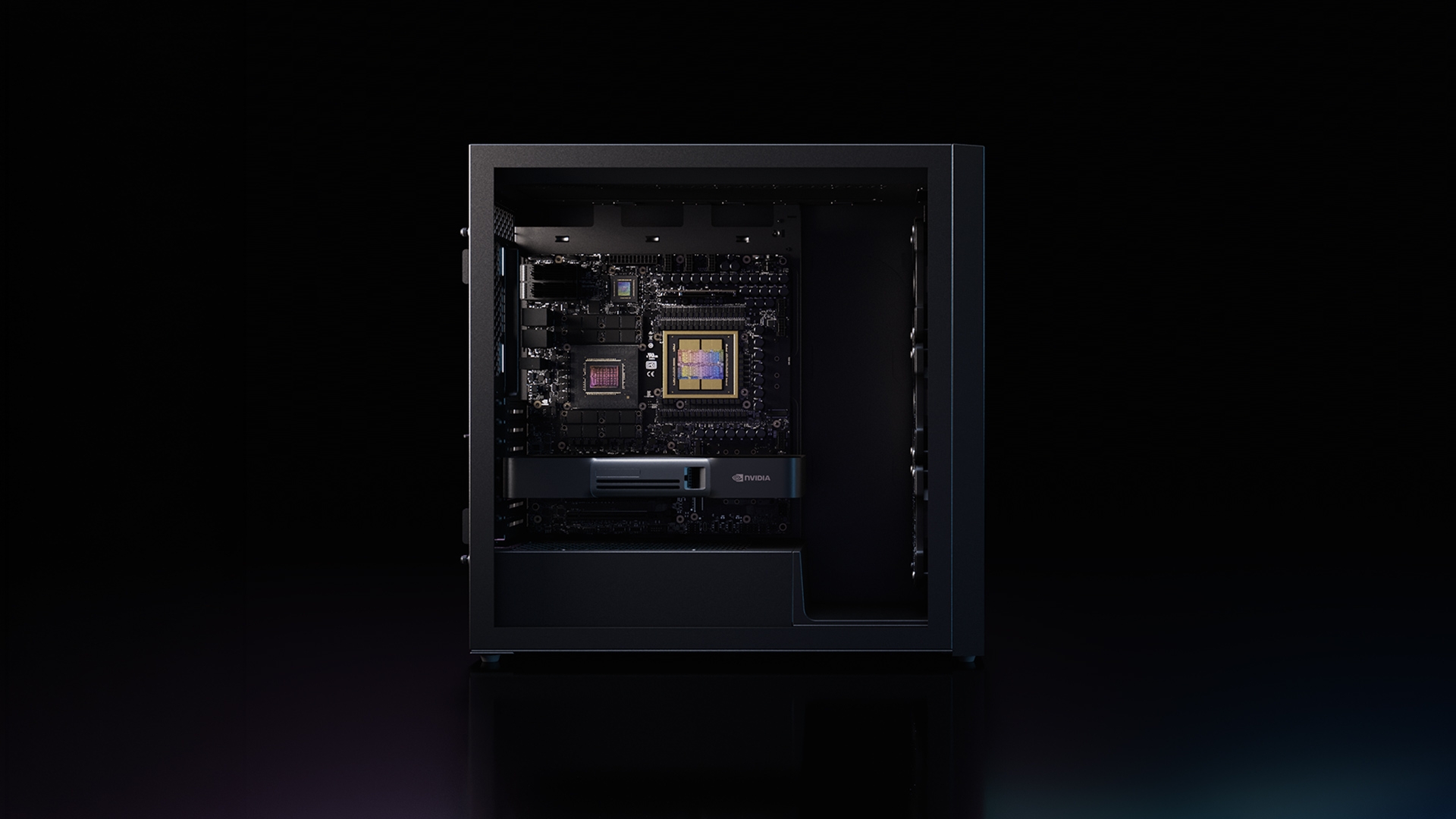
NVIDIA's latest RTX 5000 Ada Lovelace GPUs are at the heart of a bold push to embed advanced AI processing directly into Windows PCs. These GPUs bring significant improvements in compute performance—16GB GDDR6 memory, a 240-watt TDP, and GPU core clock speeds reaching 2.38 GHz—positioning them as a versatile solution for both graphics rendering and AI inference tasks. Industries like CAD and scientific modeling could see substantial workflow transformations if the technology is successfully integrated.
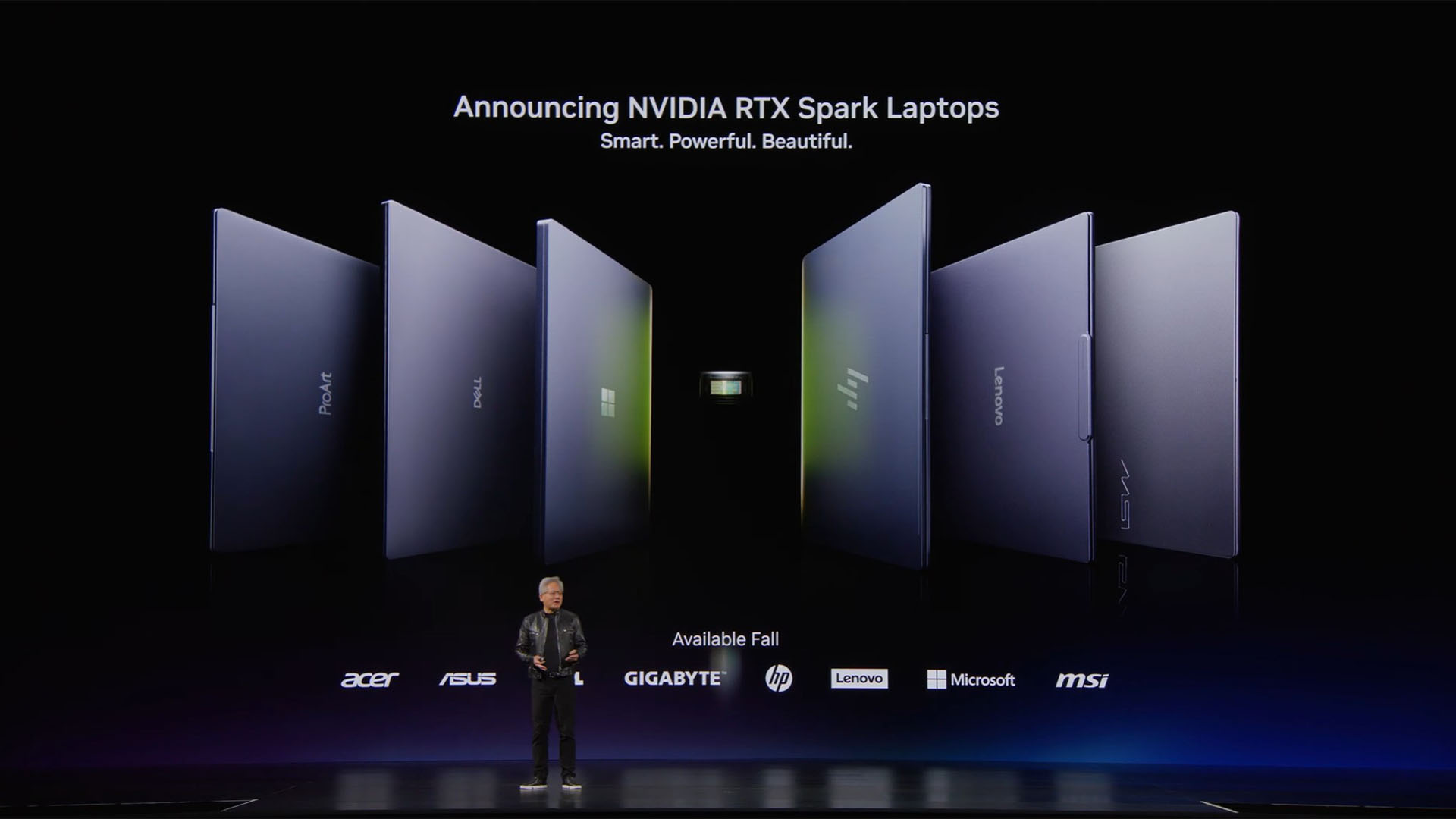
Yet, the success of this initiative hinges on more than just hardware specifications. NVIDIA has already begun shipping the RTX 5000 series, but Microsoft's role in weaving these capabilities into Windows remains a critical unknown. The collaboration is built around RTX Spark, a software layer designed to optimize GPU performance for AI tasks. However, without clear benchmarks or a beta program, enterprises are left with significant doubts about stability and scalability.
One of the more intriguing aspects of this initiative is the potential for 'personal' AI agents—tools that could redefine productivity for knowledge workers by shifting processing from cloud services to local hardware. This shift could address latency concerns and data privacy issues, but it also introduces complexity. Microsoft's long-term roadmap for these optimizations remains unclear, raising questions about whether current advancements will extend to future GPU generations or remain limited to the Ada Lovelace architecture.
Supply Constraints and Roadmap Uncertainties
The most pressing uncertainty is not technical—it’s logistical. NVIDIA's manufacturing capacity has been a critical factor in recent years, and with demand for AI accelerators surging, there’s no guarantee that RTX 5000 GPUs will be readily available when Microsoft's software stack matures. Enterprises considering adoption must navigate potential shortages, lead times, and the risk of hardware becoming obsolete if future software updates aren’t fully optimized.
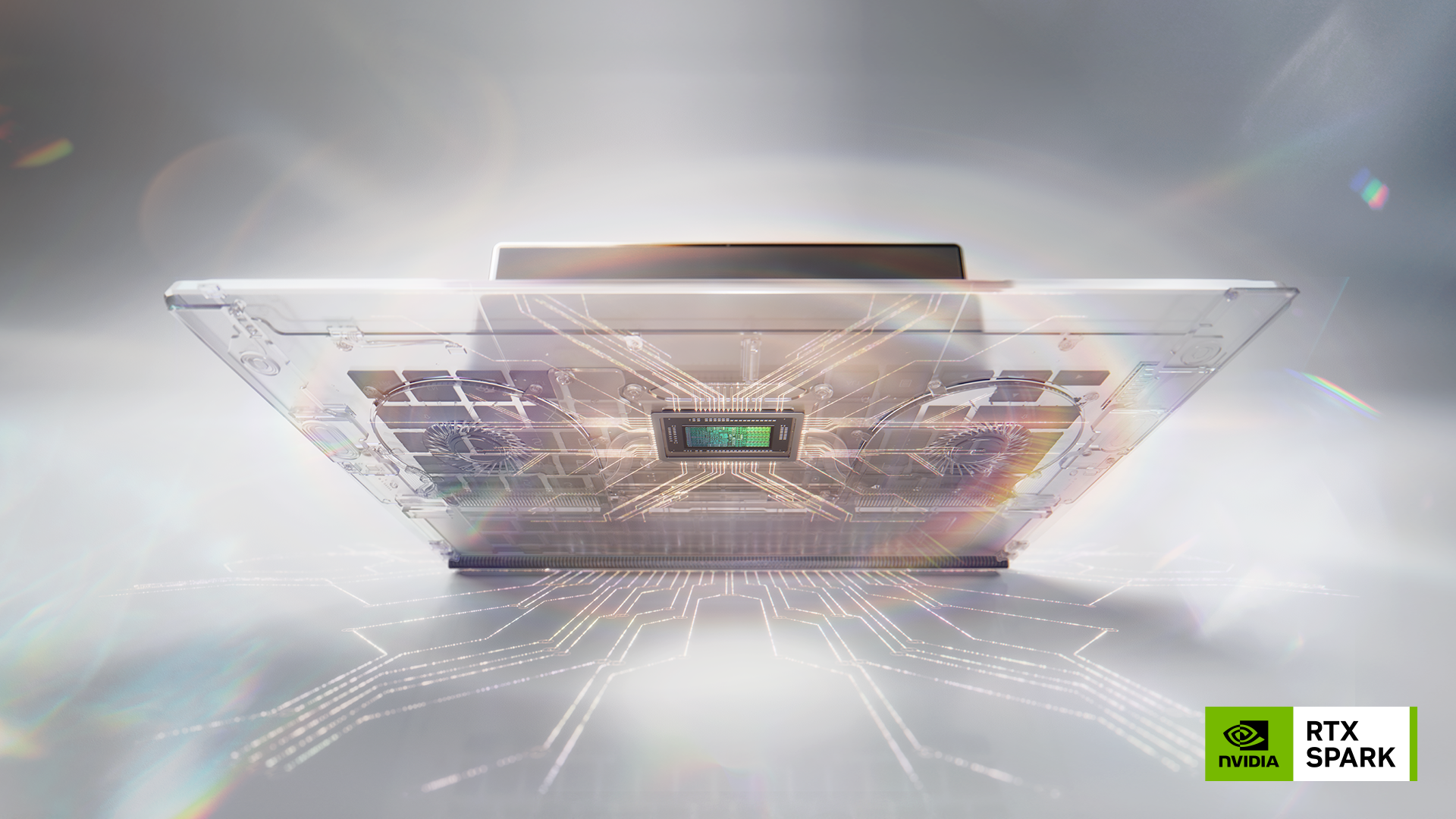
For power users—engineers, architects, and data scientists—the integration of RTX Spark into Windows could eliminate the need for separate AI workstations, streamlining workflows. However, the long-term value depends on Microsoft's ability to deliver consistent performance improvements without sacrificing stability or introducing compatibility issues. The push toward personal AI agents could accelerate a shift away from cloud-centric models, but it also risks fragmenting the ecosystem if hardware and software evolve at different speeds.
Market Implications: A Potential Shift in Enterprise AI
The broader market implications are significant. If successful, this initiative could redefine how enterprises approach AI deployment, prioritizing local processing for latency-sensitive tasks while addressing data privacy concerns. However, the lack of a clear roadmap means businesses must weigh whether to invest now or wait for further clarity on what’s feasible in the future.
For now, the focus remains on the technical foundation: NVIDIA's RTX 5000 Ada Lovelace GPUs and Microsoft's integration efforts. But without concrete timelines, benchmarks, or supply guarantees, the path to widespread adoption is far from certain. The collaboration holds promise, but its success will depend on overcoming these hurdles to deliver a seamless experience for enterprises.