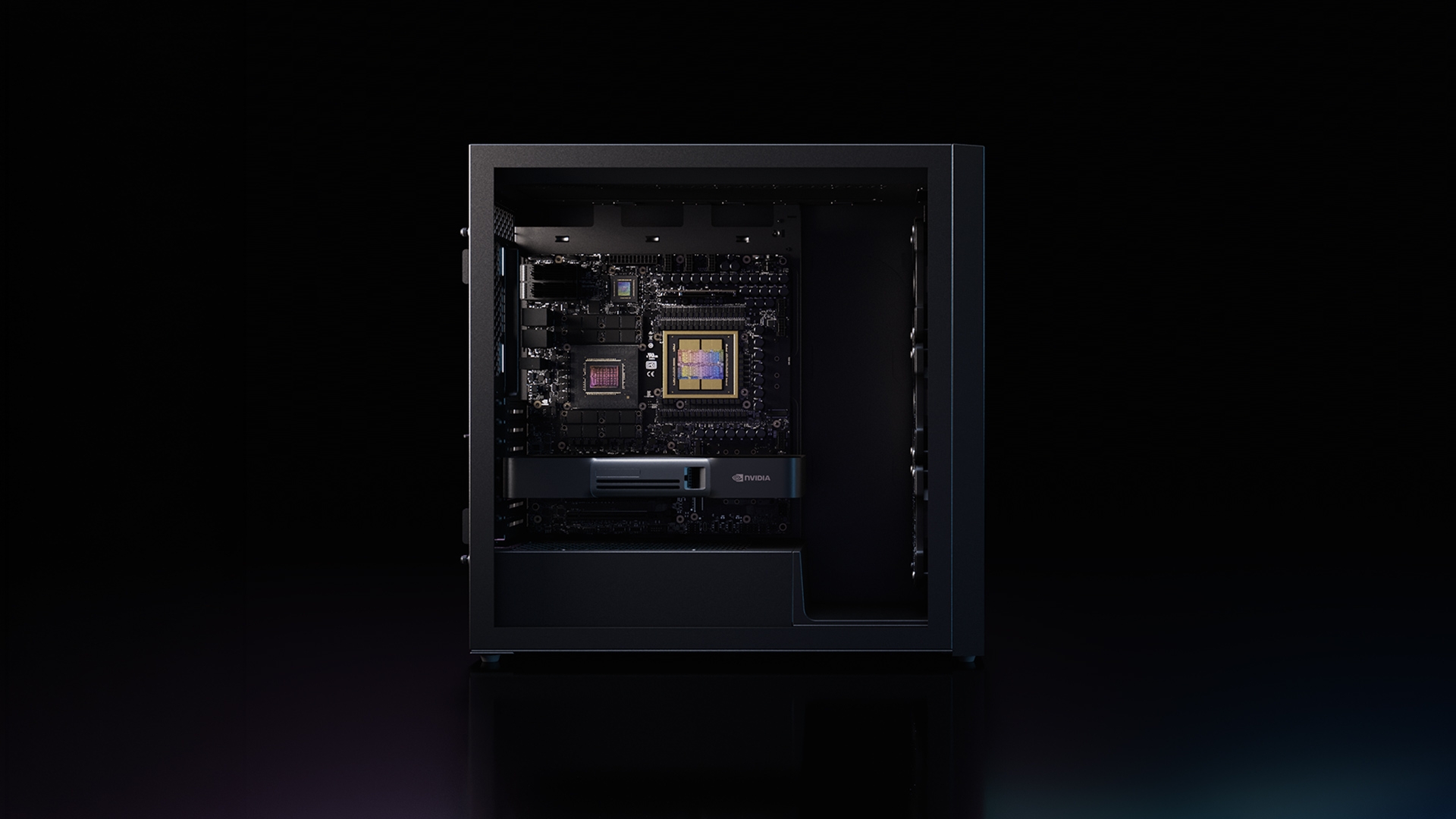
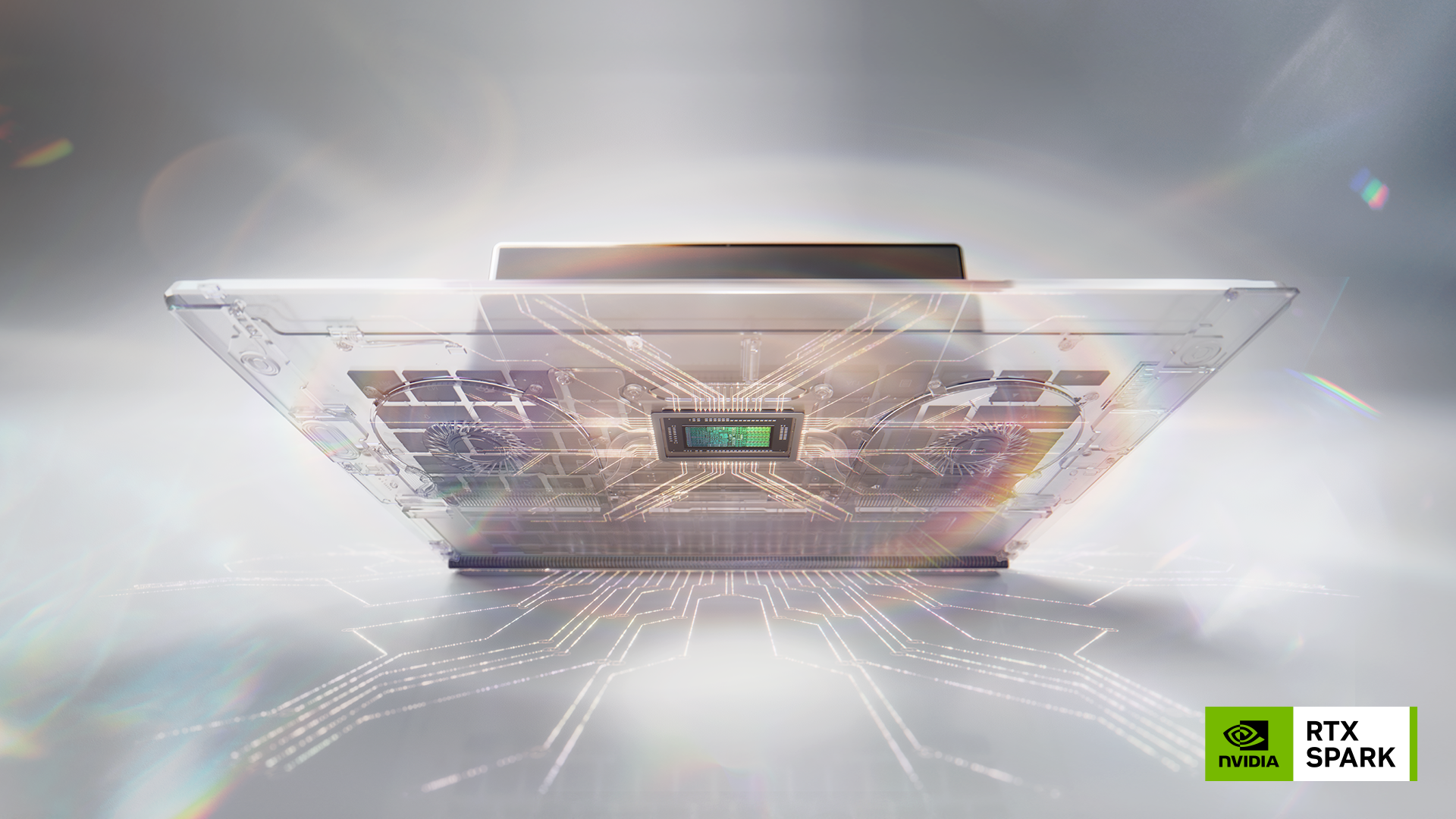
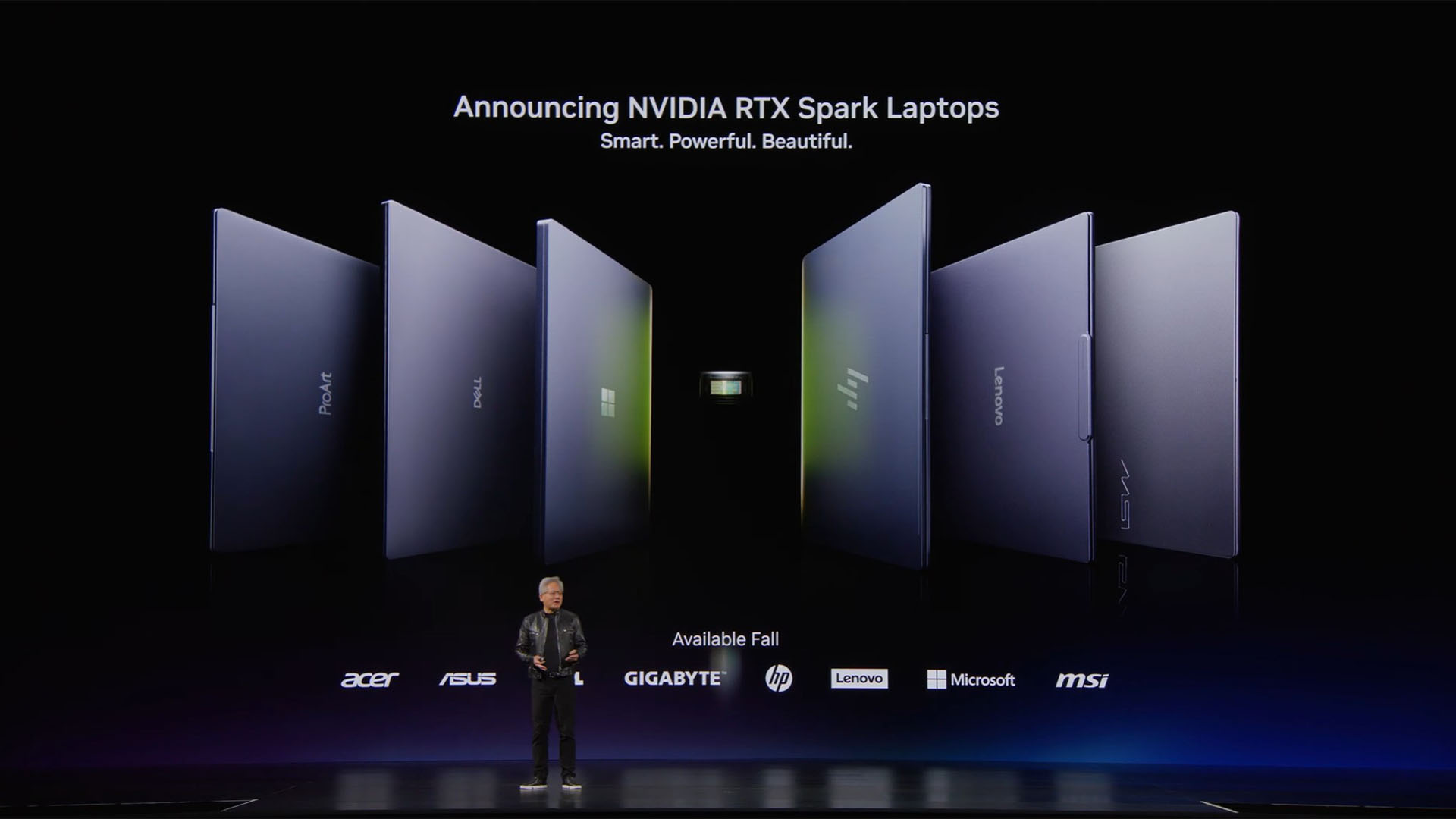
The NVIDIA Vera CPU represents a strategic pivot in how AI agents operate at the edge. While NVIDIA’s GPUs dominate data centers with brute-force computational power, Vera takes a different approach—one focused on precision and efficiency in constrained environments. This isn’t about replacing high-end GPUs like the H100 or L40S; it’s about carving out a space where AI can run locally without sacrificing responsiveness or energy use.
For developers building autonomous systems, whether for robotics, smart home devices, or augmented reality headsets, Vera offers a middle ground. It combines 16 x86-architecture cores with dedicated tensor accelerators, allowing it to handle both general-purpose tasks and AI workloads like natural language processing or computer vision. The architecture is optimized for real-time decision-making, where latency is non-negotiable.
Key Specifications and Practical Use Cases
- Cores: 16 configurable x86 cores for general-purpose computing
- AI Accelerators: Specialized tensor units for matrix operations, reducing the need to offload tasks to GPUs
- Memory: Integrated LPDDR5X support with up to 32GB capacity, designed for low-power operation
- Storage: Options include eMMC or PCIe NVMe, catering to both embedded and slightly more robust devices
- Power Efficiency: Targeted at a thermal design power (TDP) of 10W–20W, making it suitable for battery-powered edge devices
The Vera CPU’s strength lies in its ability to process AI tasks locally without the overhead of cloud connectivity. This is particularly valuable in scenarios where real-time performance is critical—such as industrial drones or smart home hubs—where even slight delays can impact functionality. Unlike traditional CPUs, which struggle with AI workloads due to inefficiencies in matrix operations, Vera’s hybrid design bridges that gap.
Compatibility and Ecosystem Considerations
Adopting the Vera CPU isn’t as simple as swapping out a component; it requires integration into a broader ecosystem. NVIDIA has designed Vera to work seamlessly with its existing software stack, including CUDA and TensorRT, which are staples in AI development. However, this also means compatibility hinges on whether developers are already invested in the NVIDIA platform.
For non-NVIDIA users, the transition could be less straightforward. While Vera’s x86 architecture ensures it can run standard software, its specialized AI accelerators may not be fully leveraged without optimized libraries or frameworks. This could limit its immediate appeal to vendors outside NVIDIA’s ecosystem, such as those using AMD or Intel processors.
Who Stands to Benefit?
The Vera CPU is likely to find its footing in niche but growing markets where edge AI is becoming a necessity rather than a luxury. Industries like robotics, industrial automation, and smart home systems could see significant adoption if the chip delivers on its promises of efficiency without sacrificing performance.
For example, in AR/VR headsets, where battery life and real-time processing are paramount, Vera could enable more sophisticated AI-driven interactions without draining power. Similarly, industrial drones or autonomous robots operating in remote environments would benefit from the ability to run complex AI models on-device, reducing reliance on cloud connectivity.
The Bigger Picture: A Shift in Edge Computing
NVIDIA’s bet with Vera isn’t just about hardware; it’s a strategic move to redefine what edge computing can achieve. Historically, edge devices have been limited by power constraints and computational capacity, forcing developers to compromise on AI capabilities. Vera aims to change that by offering the performance of a high-end GPU in a package small enough for edge deployment.
If successful, this could push other chipmakers to invest more heavily in edge-AI solutions, potentially leading to a new generation of devices where local AI processing is the norm rather than the exception. The question remains whether Vera can deliver on its potential without being overshadowed by NVIDIA’s more powerful GPUs or becoming redundant in markets where those GPUs are already dominant.
The long-term impact could be profound. If edge AI becomes more accessible and efficient, we might see a wave of innovation across industries—from smarter home automation to more capable industrial robots. The Vera CPU could be the catalyst for that shift, proving that sometimes, the most powerful tools aren’t the ones with the highest clock speeds or largest GPUs, but the ones that balance performance with practicality in the real world.