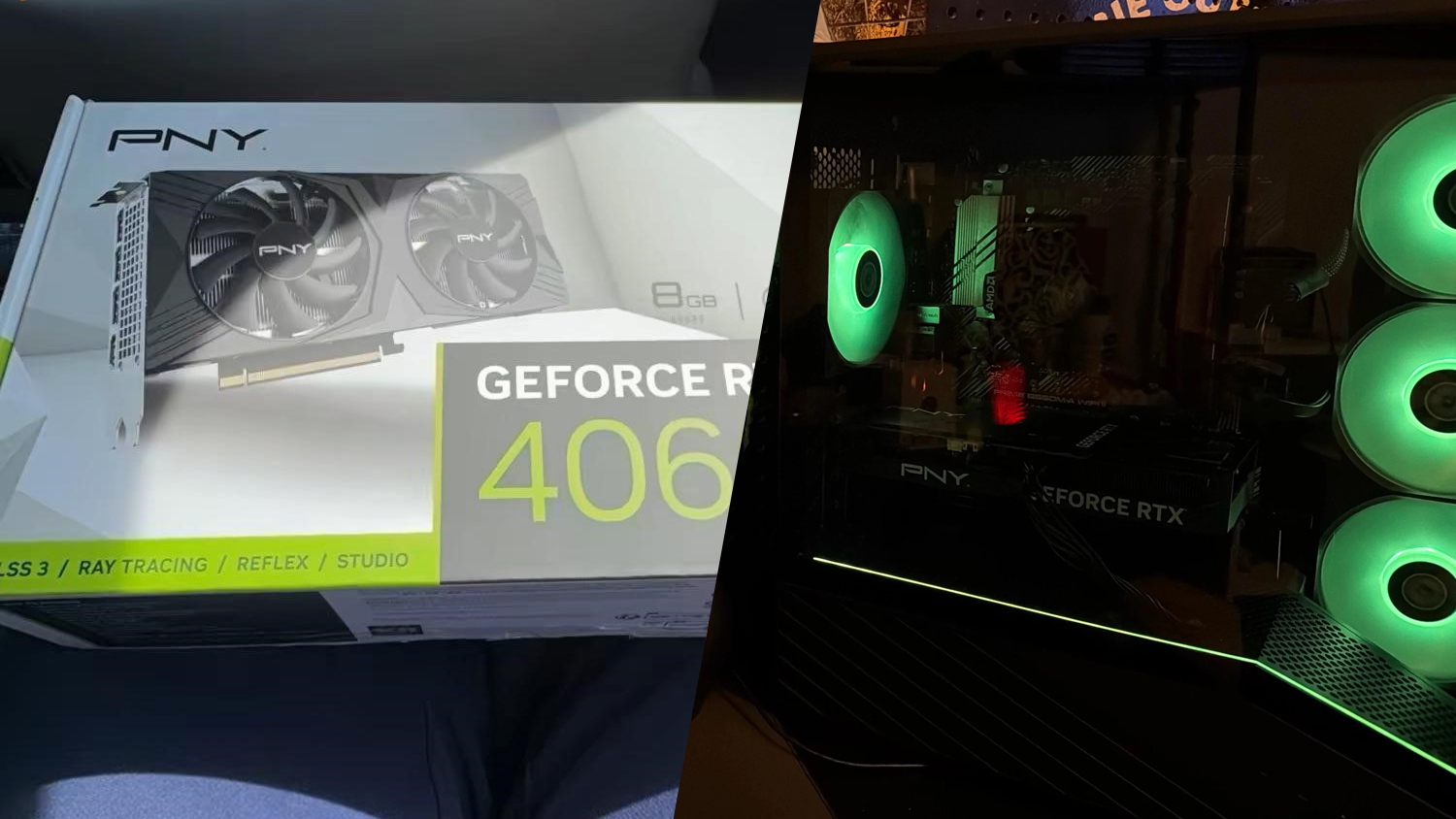
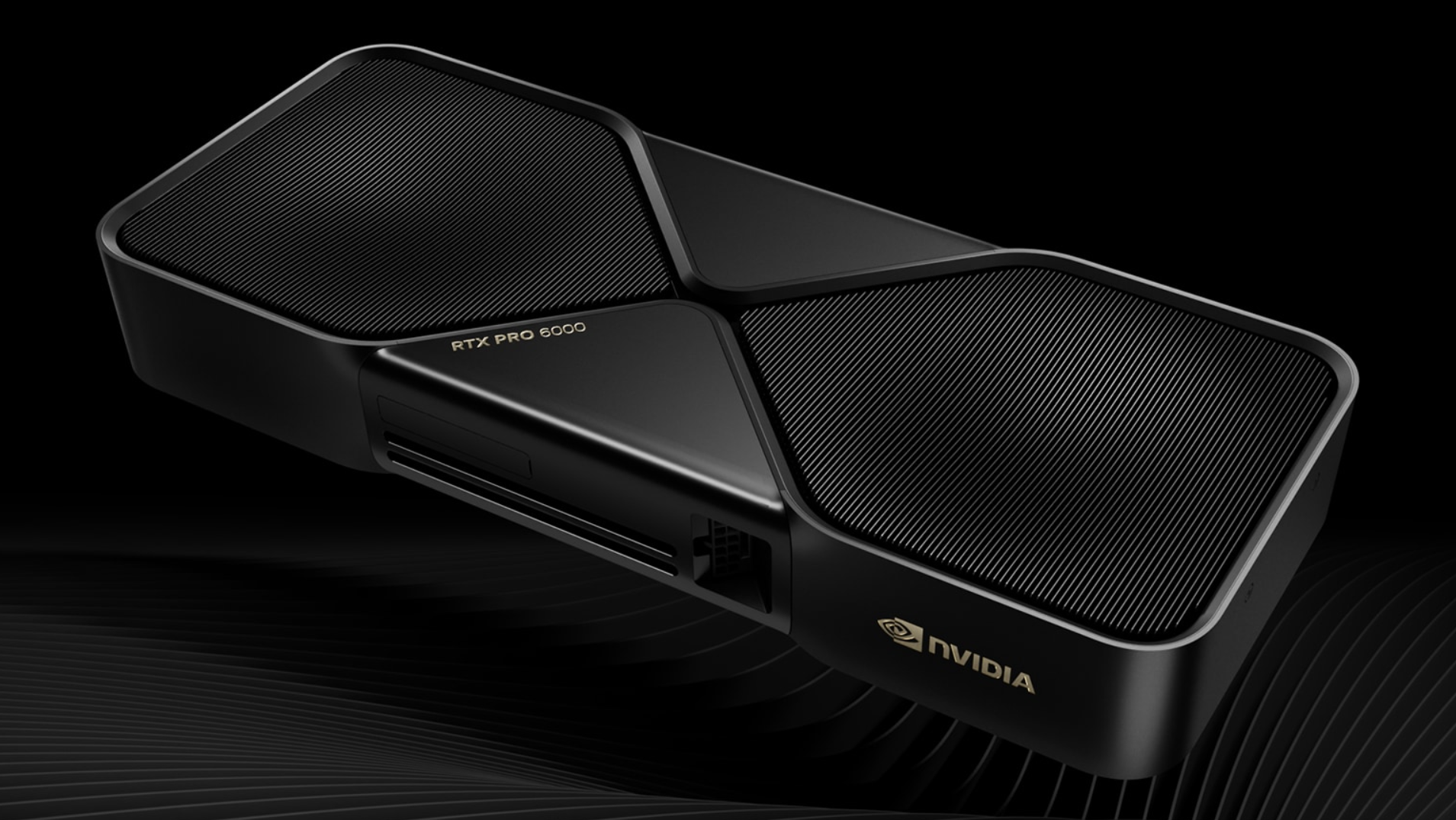
The RTX 5090 lands as a benchmark of what modern GPUs can achieve—12GB GDDR7 memory, a 16-way bus, and clocks that push the limits of current cooling solutions. Yet, for users weighing cost against real-world gains, the question isn’t just whether they need this performance, but whether it delivers enough to justify the price.
At launch, the RTX 5090 is priced at $1,649, a figure that immediately sets it apart from its predecessors. The card’s specifications are designed for enthusiasts and professionals who demand more than current titles can offer, but the market may be asking if this leap forward is worth the investment.
Specs that redefine limits
- Chip: Ada Lovelace architecture (12th-gen NVIDIA)
- Memory: 12GB GDDR7, 192-bit bus
- Clocks: Base: 2.0 GHz, Boost: 3.2 GHz
- TDP: 450W (requires high-end PSU and cooling)
- Features: DLSS 3, NVIDIA Broadcast, AV1 decode
- Ports: 3x DisplayPort 2.1, 1x HDMI 2.1
The RTX 5090’s specs are a study in extremes. Its 12GB of GDDR7 memory and 192-bit bus provide bandwidth far beyond what most games currently require, while DLSS 3 and AV1 decoding hint at future-proofing for titles that haven’t yet been released. The card’s power draw is substantial—450W at full load—which means it will demand not just a high-wattage PSU but also robust cooling to sustain performance over time.
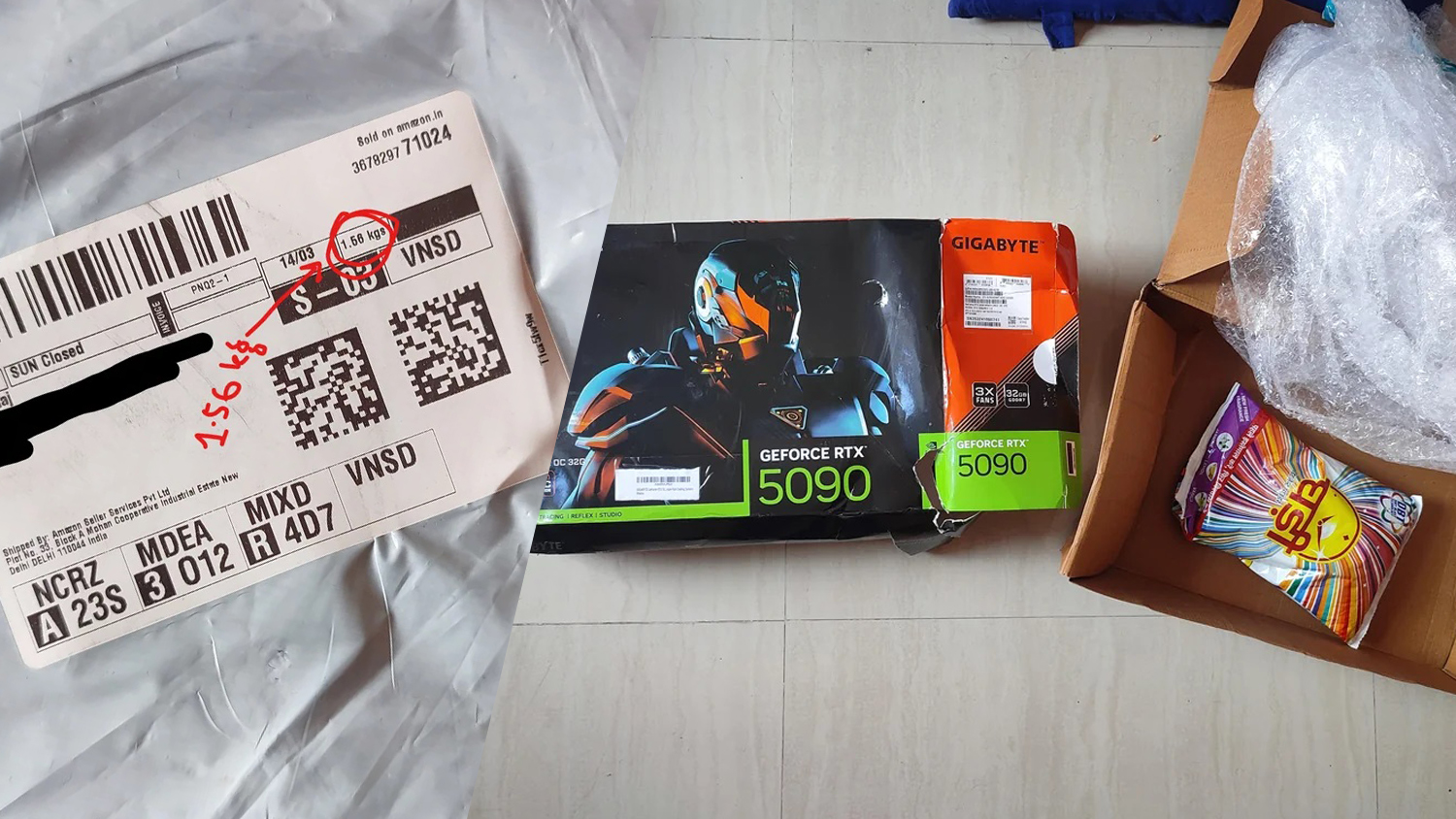
Who benefits, and who should wait
- Enthusiasts & Professionals:
- - 4K gaming with ray tracing enabled at high settings
- - Content creation (3D rendering, AI workloads)
- - Early adoption of next-gen titles requiring DLSS 3 or AV1
For users who fit this category, the RTX 5090 is a clear upgrade path. Its performance in demanding scenarios—such as 4K ray-traced gaming or professional rendering tasks—is unmatched by current GPUs. However, the price and power requirements mean it’s not a card for casual gamers or those on a budget.
- Everyday Users:
- - No immediate need for 12GB VRAM in current games
- - High cost relative to performance gains in non-pro titles
- - Power and cooling complexity may deter mainstream buyers
The RTX 5090’s value proposition hinges on forward-looking needs. While today’s games rarely push its capabilities, the card is positioned for scenarios where memory and compute demands grow significantly—such as AI-driven applications or future titles with vast open worlds. For most gamers, however, the jump from an RTX 4080 or 4090 may not offer enough incremental benefit to justify the premium.
As the ecosystem evolves, the RTX 5090 stands as a bridge between current demands and what’s coming next. Whether that bridge is worth crossing depends on how quickly those future needs materialize—and whether buyers are willing to invest now for performance they may not see for years.