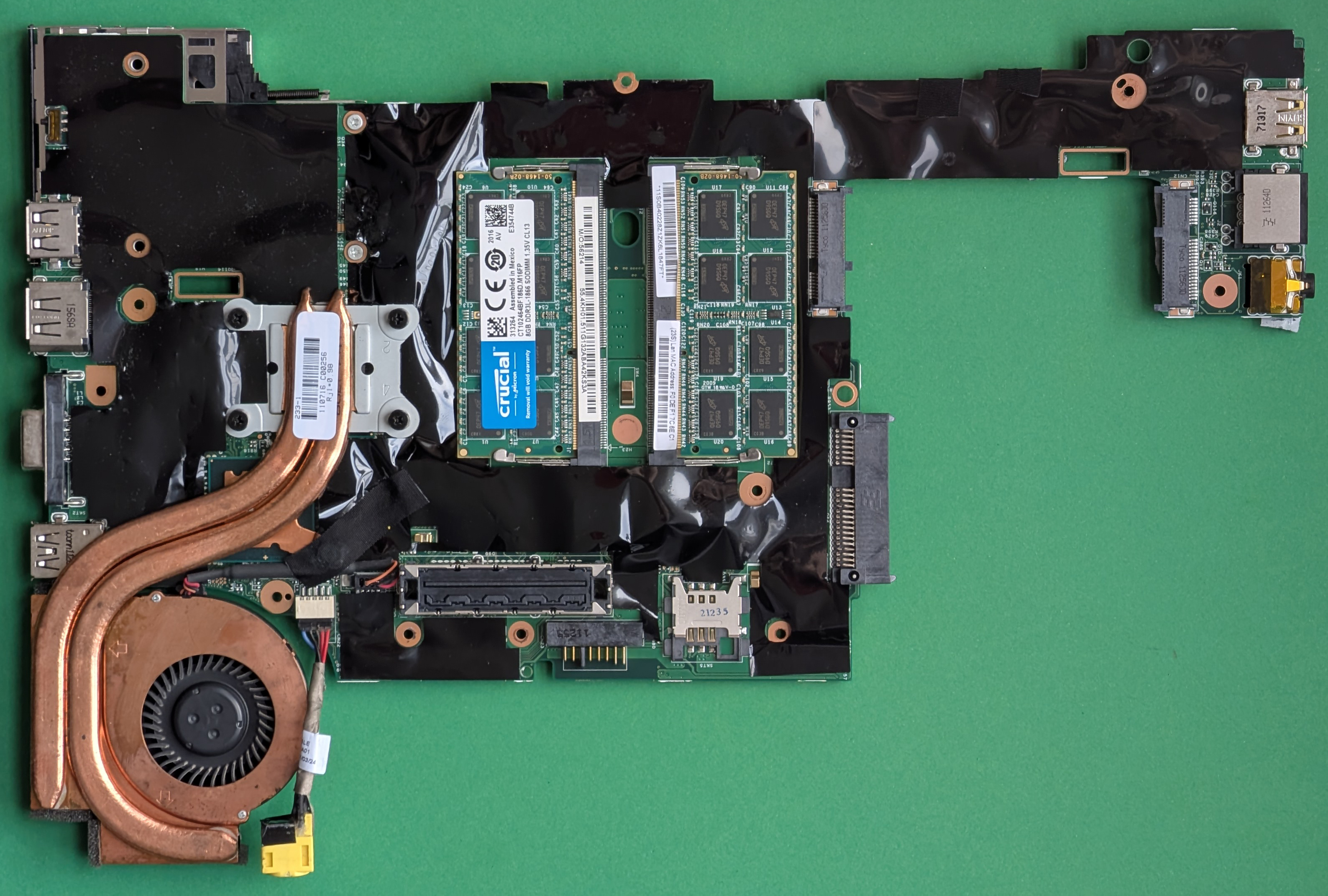
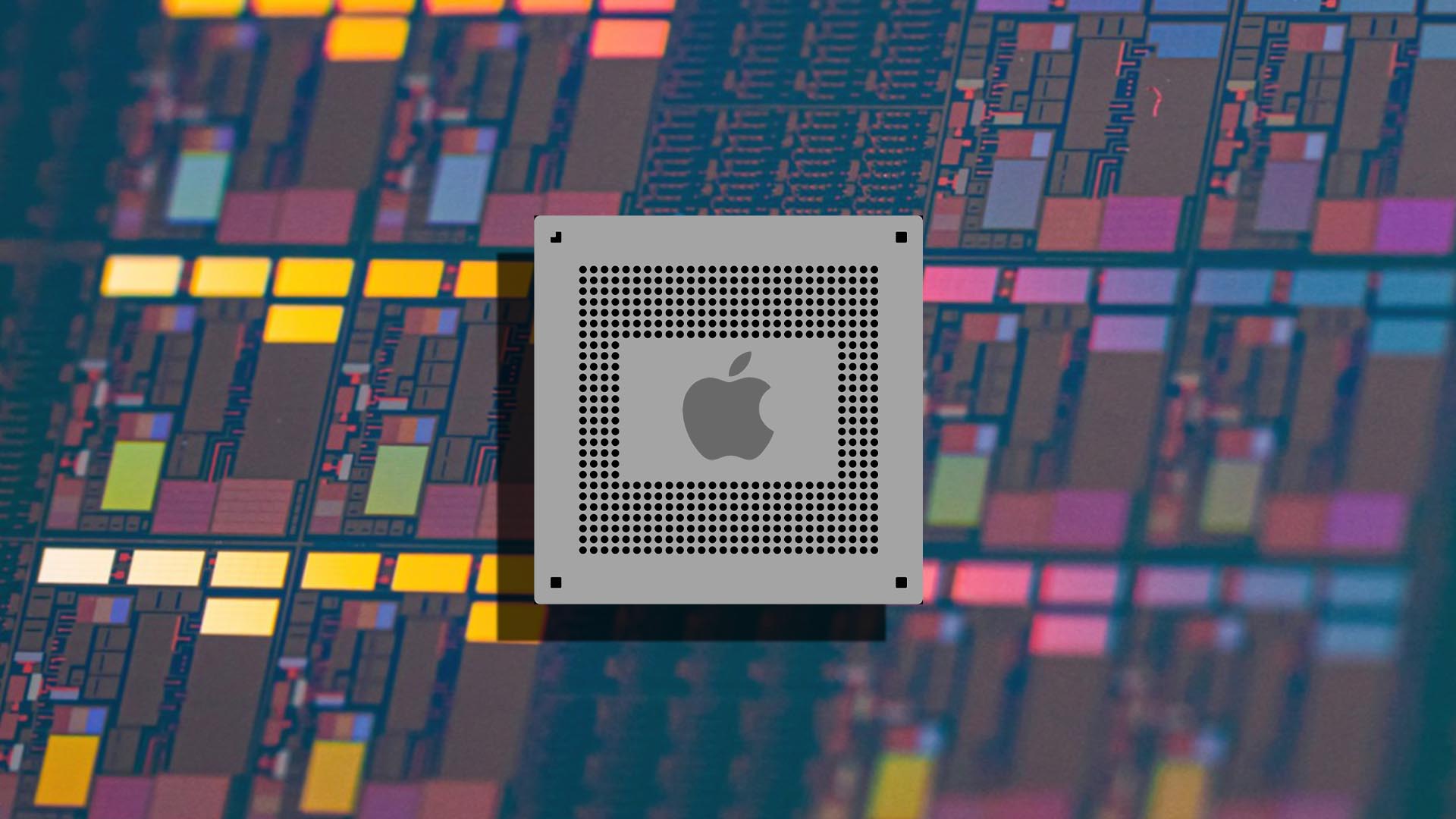
The way Apple designs its system-on-a-chip (SoC) is evolving, and the latest M5 Pro and M5 Max chips are at the forefront of this change. By vertically stacking dies—layering components on top of each other like a high-rise building—Apple is mimicking 3D packaging techniques that have long been a staple in high-performance computing. This isn’t just about cramming more power into smaller spaces; it’s about rethinking how chips are built to deliver efficiency gains that could reshape the entire mobile ecosystem.
This approach, while not entirely new, is being refined by Apple to a degree that could set a new benchmark for performance density. The result? Chips that pack more computational muscle without sacrificing battery life or thermal management—a delicate balance that has plagued even the most advanced mobile processors. For gamers and power users, this means devices that can handle demanding workloads while staying cool and running longer on a single charge.
Key Specifications
- The M5 Pro features up to 16GB of unified memory, with options for 8GB or 12GB depending on the configuration.
- The M5 Max takes this further with up to 30GB of unified memory, catering to users who need even more bandwidth for tasks like video editing or high-end gaming.
- Both chips are built using a vertically stacked die architecture, which Apple claims allows for better power efficiency and thermal performance compared to traditional side-by-side die configurations.
The vertical stacking isn’t just about squeezing more components into the same space. It’s also about optimizing data flow between different parts of the chip—like the CPU, GPU, and neural engine—reducing latency and improving overall system responsiveness. This is particularly noticeable in tasks that require heavy parallel processing, such as rendering 3D graphics or running complex AI workloads.
Market Implications
This shift toward vertical stacking could have ripple effects across the industry. Traditionally, mobile chips have relied on side-by-side die configurations, where components like the CPU and GPU sit next to each other on a single plane. Apple’s move to stack these vertically is more akin to what you’d see in high-end GPUs or data center processors, where 3D packaging has been used to boost performance per watt.
For consumers, the immediate benefit is clear: devices that can do more with less power. But there are trade-offs. Vertical stacking introduces new challenges in manufacturing and thermal management. Apple will need to ensure that these chips don’t overheat under sustained loads, which could limit their real-world performance if not handled properly. There’s also the question of how this architecture scales for future generations of chips—will it continue to deliver gains, or will diminishing returns set in?
Another consideration is platform lock-in. By adopting this advanced packaging technique, Apple is doubling down on its own ecosystem. Developers and hardware manufacturers outside Apple’s sphere may struggle to keep up, creating a divide between devices that use vertical stacking and those that don’t. This could further entrench Apple’s lead in both performance and efficiency, making it harder for competitors to catch up.
For gamers, this means a new era of mobile devices that can rival dedicated gaming rigs in raw power while maintaining the portability and battery life that have become expected from modern smartphones and tablets. But it also means that the gap between high-end and mid-range devices could widen, as vertical stacking is likely to be a feature reserved for Apple’s premium offerings.
The final piece of this puzzle is what comes next. Will other manufacturers follow suit, or will they stick with more traditional approaches? And how will this affect the broader market dynamics, where efficiency and performance are increasingly becoming the differentiators? For now, Apple has set a new bar, but whether others can clear it remains to be seen.