The RTX 50 series marks a turning point for GPU design, prioritizing efficiency without compromising performance. This shift is evident in every layer of the architecture, from memory bandwidth to power delivery, but it also forces developers to rethink how they approach thermal and electrical constraints.
One of the most notable changes is the introduction of GDDR7 memory with up to 12GB capacity and a 384-bit bus width. This combination allows for higher bandwidth while maintaining lower power consumption compared to previous generations. However, the efficiency gains come with a caveat: the increased focus on power management means that developers must now fine-tune clock speeds and voltage scaling to avoid thermal throttling in dense workloads.
- Ray tracing acceleration and DLSS 4.0 integration push real-time rendering further, but these features demand more precise thermal modeling.
- The new power delivery system reduces peak wattage, but it requires careful balancing to prevent overheating in high-density setups.
- Adaptive clock speeds and dynamic voltage scaling improve efficiency, though they add complexity to software optimization.
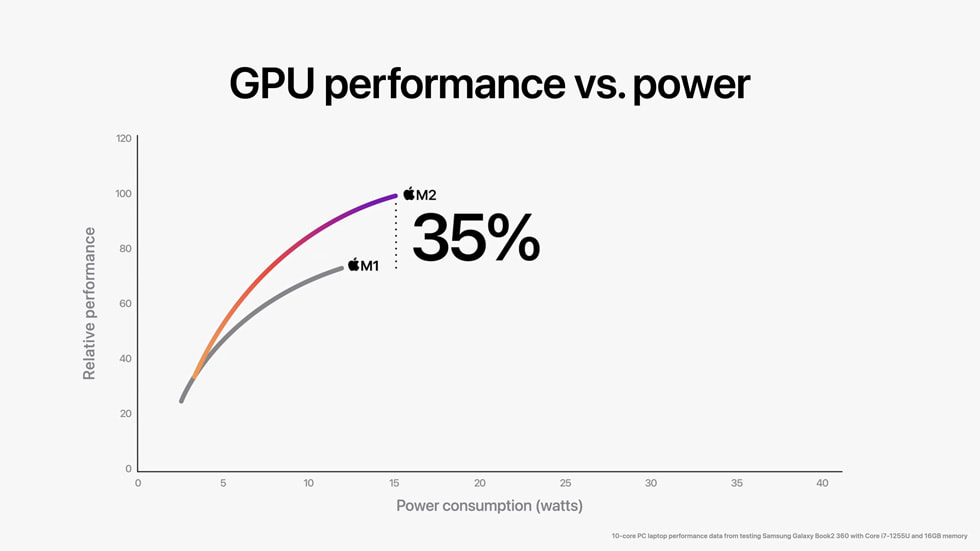
The market’s response to the RTX 50 series reflects both excitement and caution. On one hand, the performance-per-watt improvements are undeniable, making it a strong candidate for data centers and workstations where power efficiency is critical. On the other hand, thermal constraints remain a hurdle, particularly in environments where liquid cooling or advanced air-cooling solutions are necessary to maintain performance under sustained loads.

The question now isn’t just whether the RTX 50 series can deliver on its promises—it’s whether developers and system designers can adapt quickly enough to meet the new demands of efficiency without sacrificing scalability. Early benchmarks suggest that the balance is possible, but it will require a more nuanced approach to thermal management than ever before.
The RTX 50 series is a test case for the future of GPU design. If it proves sustainable at scale, it could redefine how we think about performance and power consumption in computing. But if thermal constraints prove too limiting, it may force another pivot—this time toward even more innovative cooling solutions.