The monitor industry just got a high-refresh upgrade: the world’s first RGB Mini LED display has arrived, promising 4K resolution at 180Hz and a peak brightness of 2000 nits. But cramming that many LEDs into such a small form factor isn’t just about throwing more light at the screen—it’s an engineering puzzle where every layer counts.
Mini LED is usually reserved for TVs, where space allows for larger arrays and deeper backlight zones. Here, the challenge was shrinking those zones to fit behind a 24-inch panel while maintaining color uniformity and thermal stability. The result? A display that can hit 180Hz without stutter, but with tradeoffs only power users will notice.
Starting at $2,500, this isn’t for casual viewers. It’s built for content creators who need HDR accuracy alongside high refresh rates—think fast-motion editing or competitive gaming where every millisecond matters. The 2000-nit peak brightness ensures visibility in bright rooms without sacrificing color depth, but the miniaturized LED array means black levels aren’t as deep as full-array local dimming TVs.
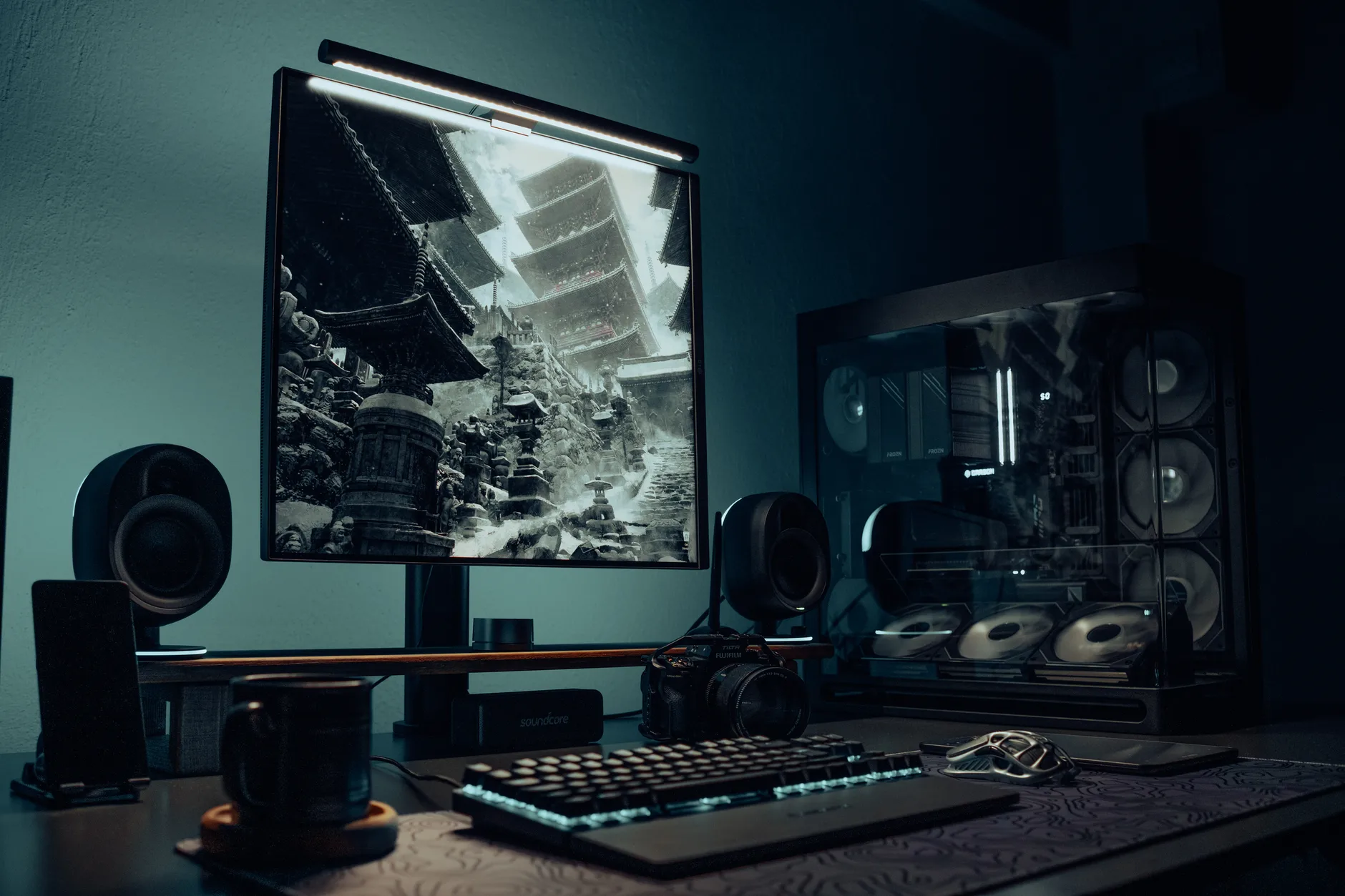
- Specs at a glance:
- Resolution: 4K (3840 × 2160)
- Refresh rate: 180Hz
- Peak brightness: 2000 nits
- Panel type: IPS with RGB Mini LED backlight
- Size: 24 inches
- Price: $2,500
The real question isn’t whether it’s fast or bright—it’s whether the thermal constraints of a 24-inch form factor will push users toward larger sizes down the line. For now, this is a niche product that proves Mini LED can work in displays, but only if you’re willing to pay for the engineering compromises.
That’s the upside—here’s the catch: the miniaturized LEDs require careful thermal management to avoid backlight bleed over time. Long-term durability will hinge on how well the manufacturer balances heat dissipation and LED density. For users upgrading from 144Hz IPS panels, this is a clear step up in brightness and color fidelity, but it’s not a drop-in replacement for those chasing deeper blacks.
Where things stand: This monitor carves out space between high-refresh gaming displays and professional HDR workstations. If you need both 180Hz smoothness and HDR accuracy for creative workloads, it’s worth the premium. But if your priority is absolute black levels or a larger screen, the wait for bigger Mini LED panels may be smarter.