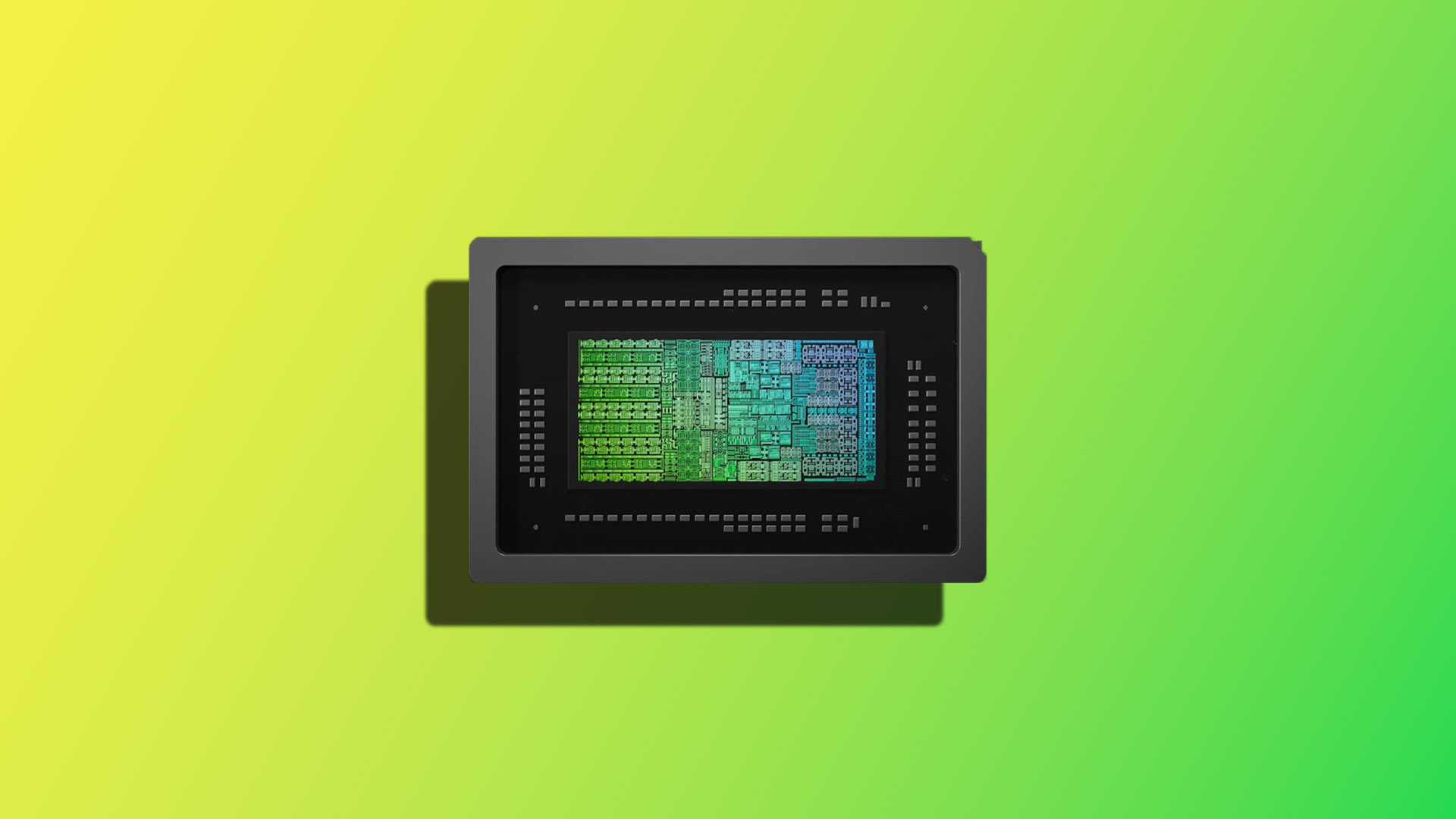
AMD’s RX 9070 arrives as a bold experiment in the mid-range GPU space, blending RDNA 4’s architectural improvements with a more budget-conscious approach. It delivers ray tracing and efficiency gains typically reserved for higher-tier cards, but at a cost: only 12GB of GDDR6 memory, down from the 16GB seen in competitors like NVIDIA’s RTX 4070. For most gamers, this won’t be an issue—1440p resolutions rarely demand more—but those chasing higher refresh rates or games with heavy texture requirements will notice the difference.
The GPU’s performance positioning is deliberate. It aims to match NVIDIA’s rasterization capabilities while sidestepping the complexity of hybrid workloads, like AI-accelerated rendering. That means no frame generation or DLSS 3.0 support, a notable omission in today’s market. Yet, AMD claims to have optimized power delivery, promising lower heat output and sustained high clock speeds—though real-world testing will determine if this translates to longevity without sacrificing performance.
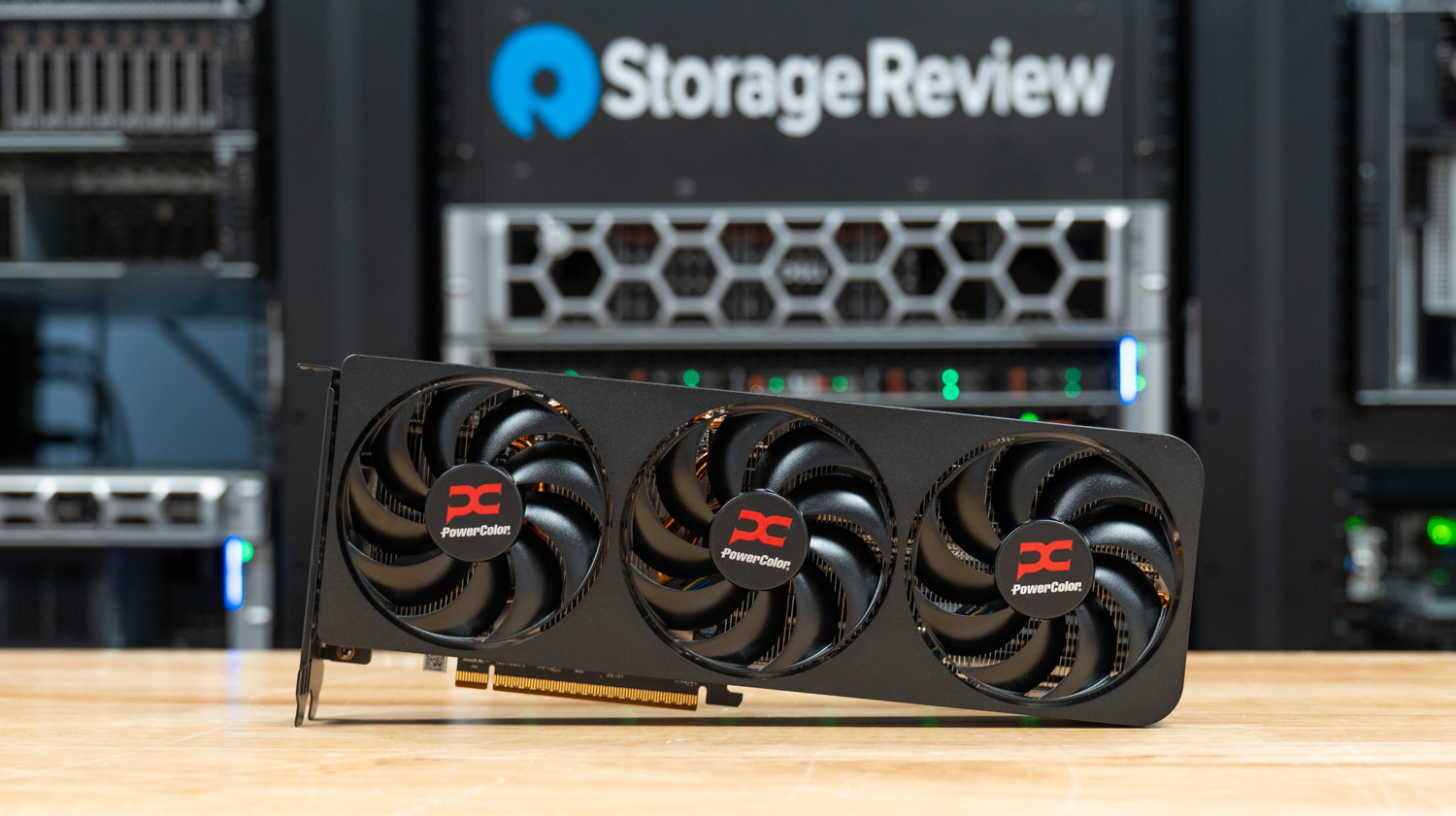
- Display outputs: 3x HDMI 2.1 (up to 8K@60Hz), 2x DisplayPort 2.1 (up to 16K@60Hz, 4K@120Hz)
- Architecture: RDNA 4, 32 compute units, 256-bit memory bus
- Memory: 12GB GDDR6, 22 Gbps effective clock speed
- Power consumption: 225W TDP (recommended), dual 8-pin power connectors
The 12GB memory is a gamble. It’s enough for the majority of 1440p gaming, but those pushing boundaries or working with larger textures will feel the limitations. The lack of advanced AI features also positions this card as more of a traditional performance play than a future-proofing tool. Still, if AMD prices it competitively—rumored to be around $550—the RX 9070 could undercut NVIDIA’s RTX 4080 in value while delivering strong rasterization performance.
But supply chain pressures and holiday price volatility could derail its launch. If the RX 9070 lands at a premium, it risks becoming an afterthought between more powerful (and pricier) alternatives. The real question isn’t just whether it can compete with NVIDIA’s offerings—it’s whether AMD can make this a must-have mid-range option that stands out from the crowd.
For IT teams, the RX 9070 is a study in trade-offs. It delivers strong performance and efficiency for traditional gaming workloads, but its memory constraints and lack of AI features may not appeal to those prioritizing future-proofing or hybrid scenarios. If AMD executes well on price and availability, it could carve out a viable niche—but it won’t be an easy path.