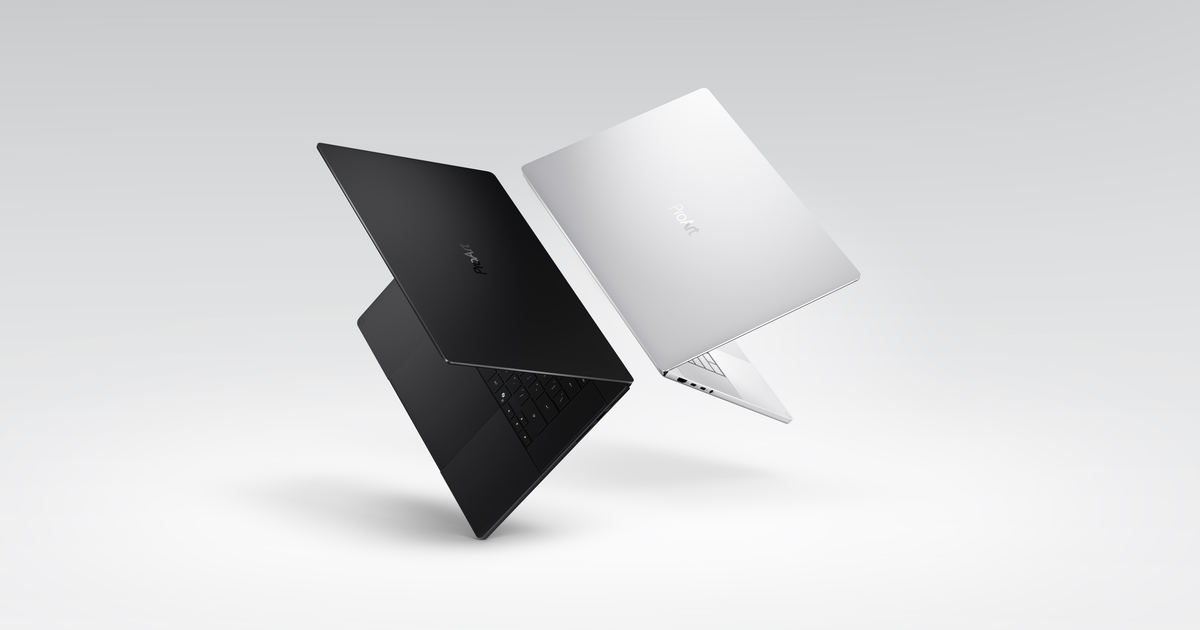
The ASUS ExpertCenter P200 arrives as a quiet but significant shift in how businesses approach desktop computing. It’s not just another all-in-one (AiO) system; it’s an attempt to merge the raw power of a workstation with the convenience of an integrated display, while slipping AI capabilities into the mix without overwhelming IT teams.
At its core, the P200 is built around a 14th-generation Intel Core i7 processor (codenamed Raptor Lake) paired with up to 64GB of DDR5 memory. That combination alone places it firmly in workstation territory—capable of handling demanding workloads like 3D rendering, data analysis, or even AI model training on-premise. But where the P200 diverges from traditional workstations is in its form factor: a single, compact tower that houses both the system and a 27-inch 4K UHD touchscreen display. The result is a footprint roughly half that of a standard desktop tower, making it an attractive option for space-constrained offices or hot-desking environments.
The integrated AI features are where the P200 starts to blur the line between hardware and software. ASUS is positioning it as a platform for ‘AI-powered productivity,’ but the details remain deliberately vague. What’s confirmed is that the system includes an NPU (Neural Processing Unit) designed for edge AI tasks, such as real-time image enhancement or voice command processing. Whether this translates into meaningful workflow improvements for IT teams—or if it’s more of a future-proofing exercise—remains to be seen. For now, the focus is on stability and compatibility; the P200 runs Windows 11 Pro and supports ECC memory, which is critical for enterprise environments where data integrity is non-negotiable.

Dual display support is another standout feature, though it requires a bit of workarounds. The built-in 4K screen can be used alongside an external monitor via HDMI or DisplayPort, but the system’s compact design means cable management will be a consideration for IT administrators. Pricing starts at $2,999 for the base configuration (i7-13700H, 32GB RAM, 512GB SSD), which is competitive when compared to standalone workstations in a similar tier.
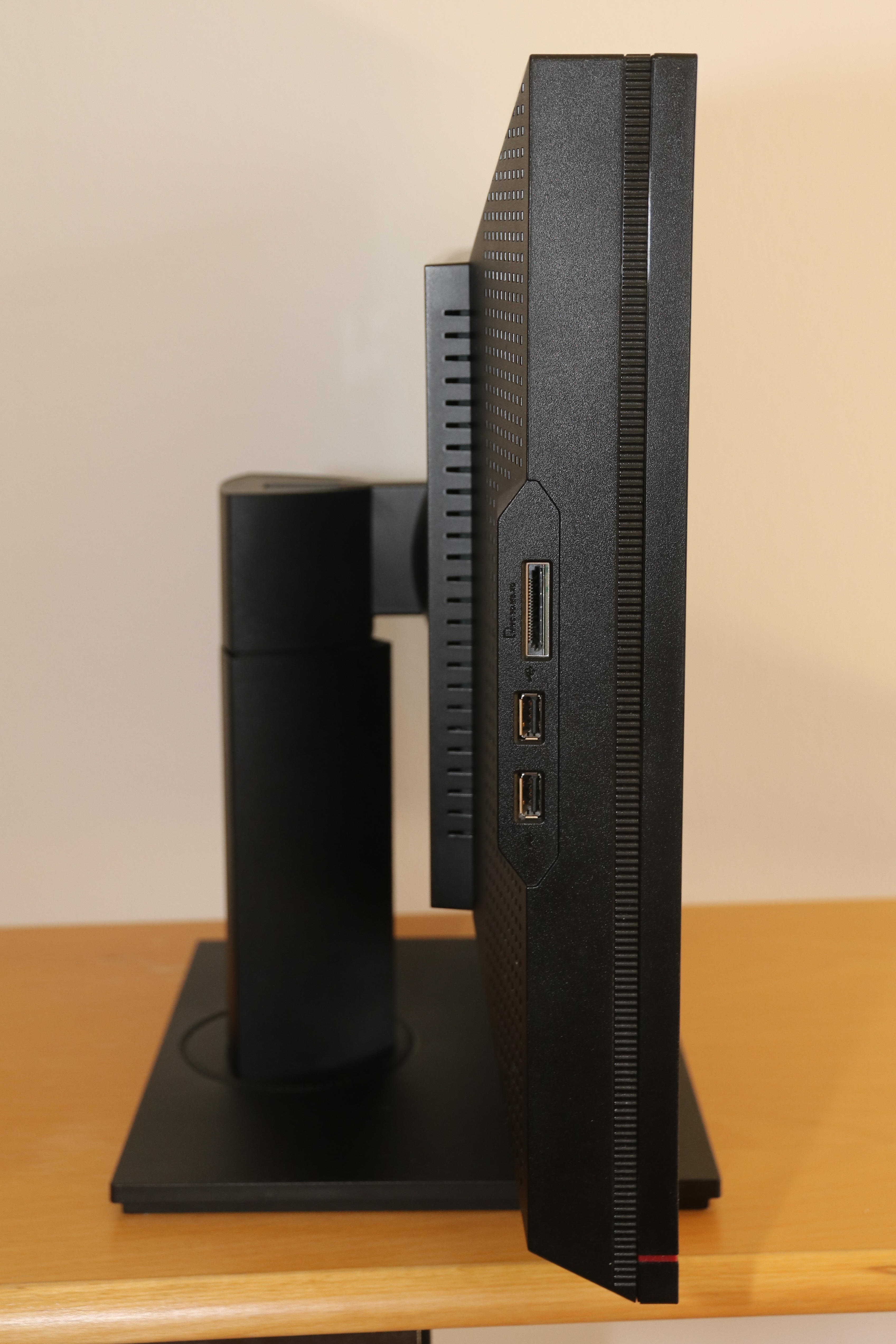
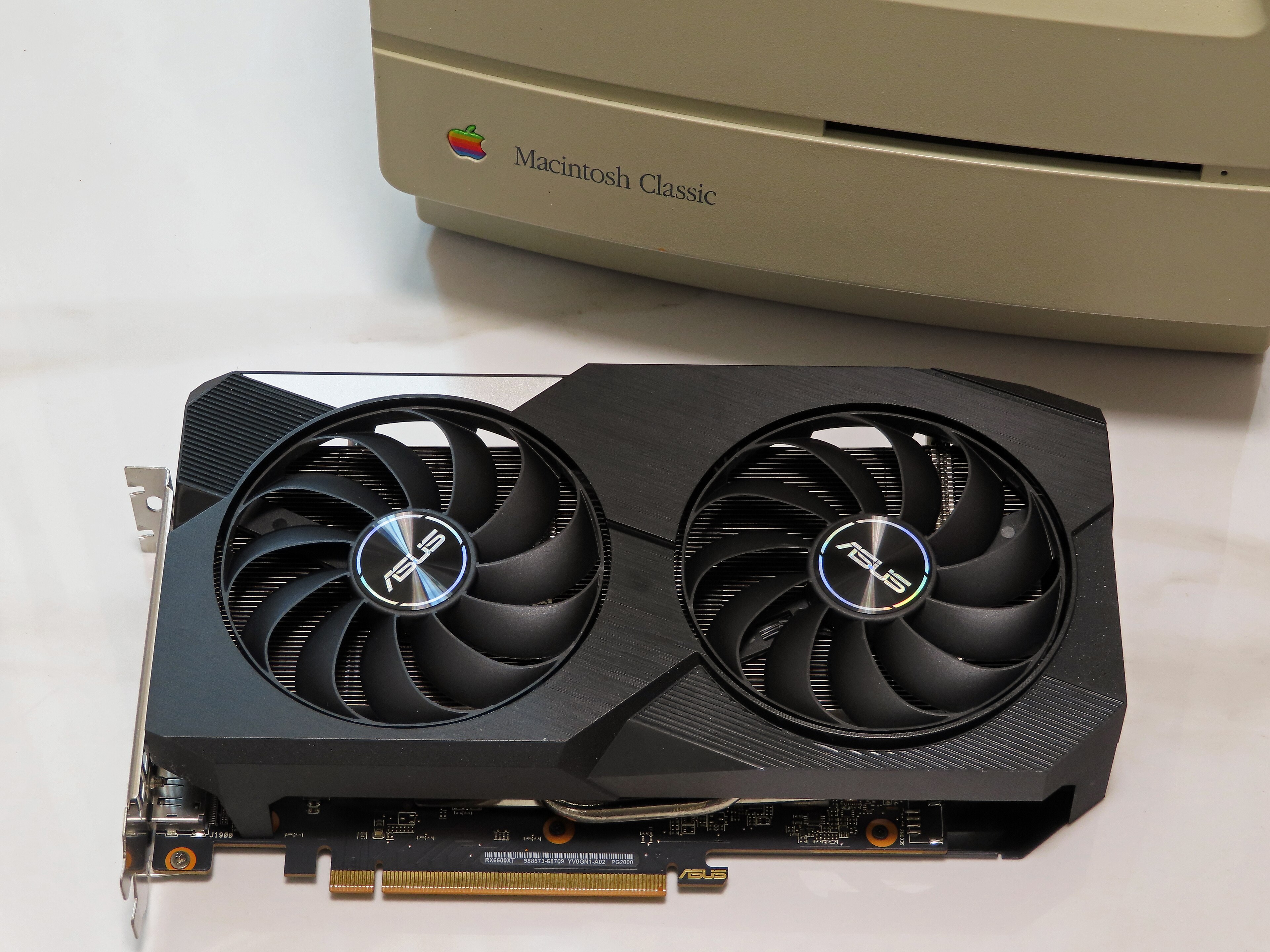
Where the P200 doesn’t stray from convention is in its cooling and connectivity. A dual-fan layout keeps thermal performance in check, though sustained workloads may still demand attention—especially if pushing AI tasks or rendering. The lack of Thunderbolt 4 support (a common feature in modern workstations) is a notable omission for teams relying on high-speed peripherals.
The real question for IT teams isn’t whether the P200 can deliver performance, but whether its compromises—like the NPU’s unproven real-world impact or the dual display limitations—will outweigh its advantages in a workflow. For now, it’s a system that promises to simplify deployments without sacrificing power, but the long-term value hinges on how well ASUS can refine its AI integration over time.