The ASUS Pad has arrived, and it’s not just another tablet. It’s a statement: a device that blends the portability of a slim chassis with the raw performance of a desktop replacement, all while pushing the boundaries of what’s possible in a handheld form factor.
At its core, this isn’t just an evolution—it’s a reimagining. The new Pad ditches the traditional tablet approach, opting for a more compact yet capable design that prioritizes efficiency without sacrificing power. For PC builders and mobile professionals, this means a device that can keep up with demanding workloads while staying lightweight enough to slip into a bag.
What stands out immediately is the balance of hardware and software optimization. The Pad’s processor isn’t just fast; it’s designed to minimize thermal throttling, ensuring sustained performance even during prolonged use. Combined with a display that delivers 90Hz refresh rates in a 13-inch form factor, it’s a device built for productivity without compromise.
For those focused on future-proofing their workflow, the Pad’s storage and RAM configuration is worth noting. Starting with 8GB of LPDDR5X memory and up to 256GB of UFS 3.1 storage, it’s a far cry from the entry-level specs that have plagued past tablet generations. The inclusion of a USB-C port with Thunderbolt 4 support further cements its place in professional workflows, allowing for external displays and high-speed data transfers without bottlenecking.
But perhaps the most intriguing aspect is how this device challenges the status quo. Traditionally, tablets have been seen as secondary devices—great for media consumption but lacking the power for serious work. The ASUS Pad flips that script. With its compact size and high-performance internals, it’s a machine that can handle everything from light note-taking to heavy multitasking, all while maintaining a battery life that rivals some laptops.
- 13-inch 90Hz display with a slim profile
- Up to 8GB LPDDR5X RAM and 256GB UFS 3.1 storage
- Thunderbolt 4 support via USB-C for external connectivity
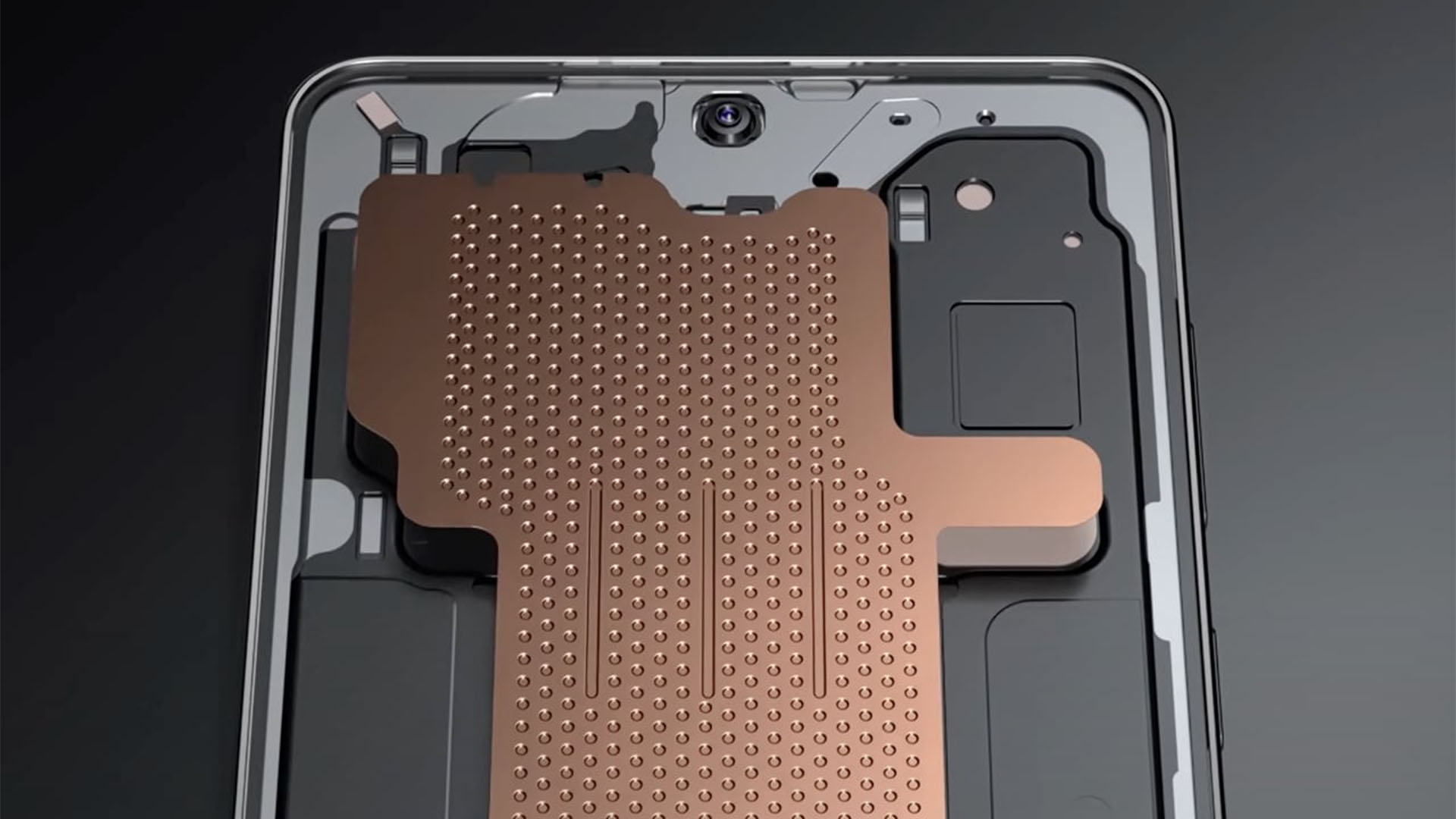
- Thermal optimization to prevent performance throttling during extended use
The result is a device that feels like a missing link in the tablet market—a bridge between portability and power. For PC builders, this means an alternative that doesn’t force them to choose between mobility and performance. It’s a small but significant shift, one that could redefine how we think about tablets in both personal and professional settings.
In a landscape where efficiency is increasingly valued, the ASUS Pad stands out as a testament to what happens when design, hardware, and software align perfectly. It’s not just about raw specs; it’s about creating an experience that feels seamless, responsive, and built for those who demand more from their devices without settling.