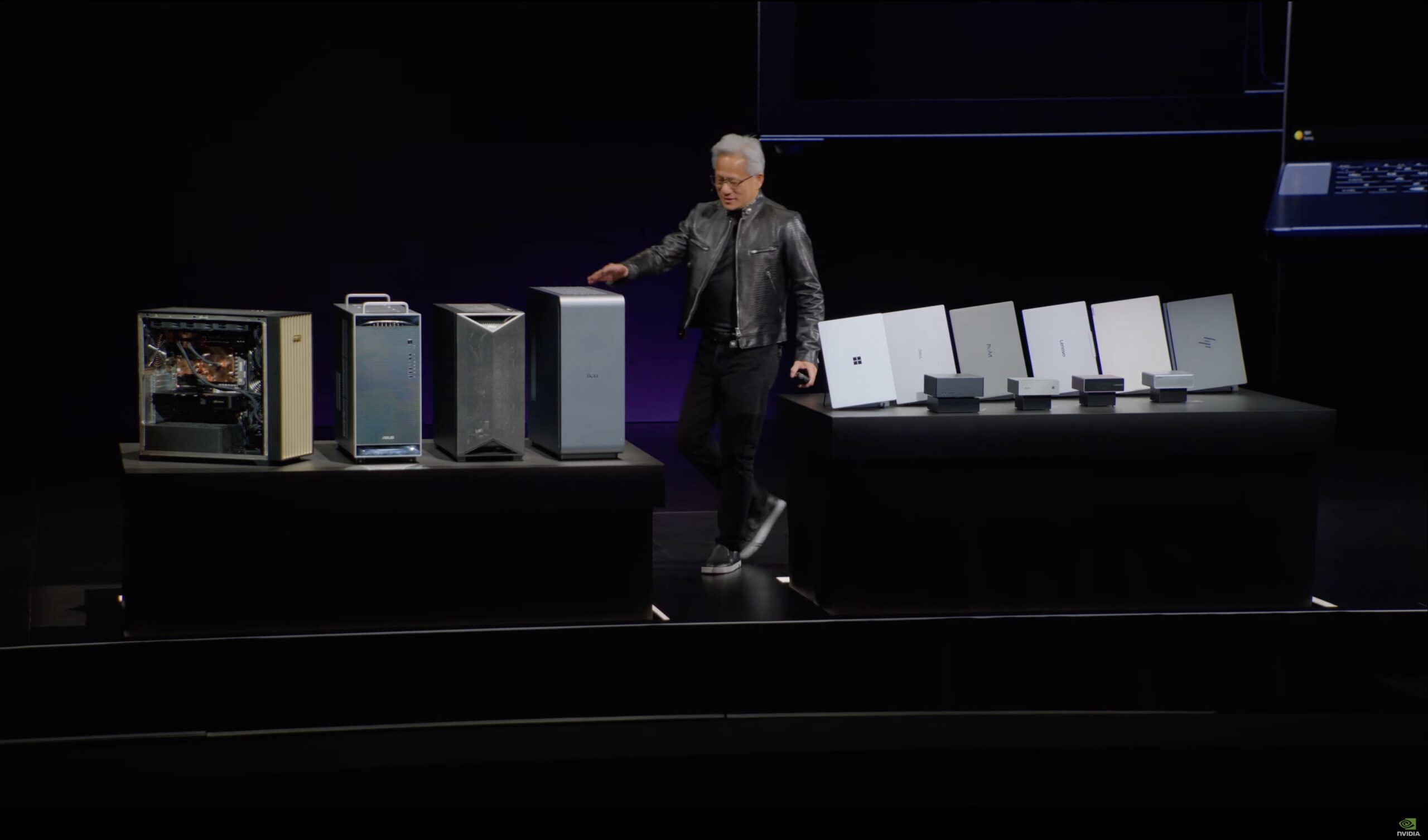
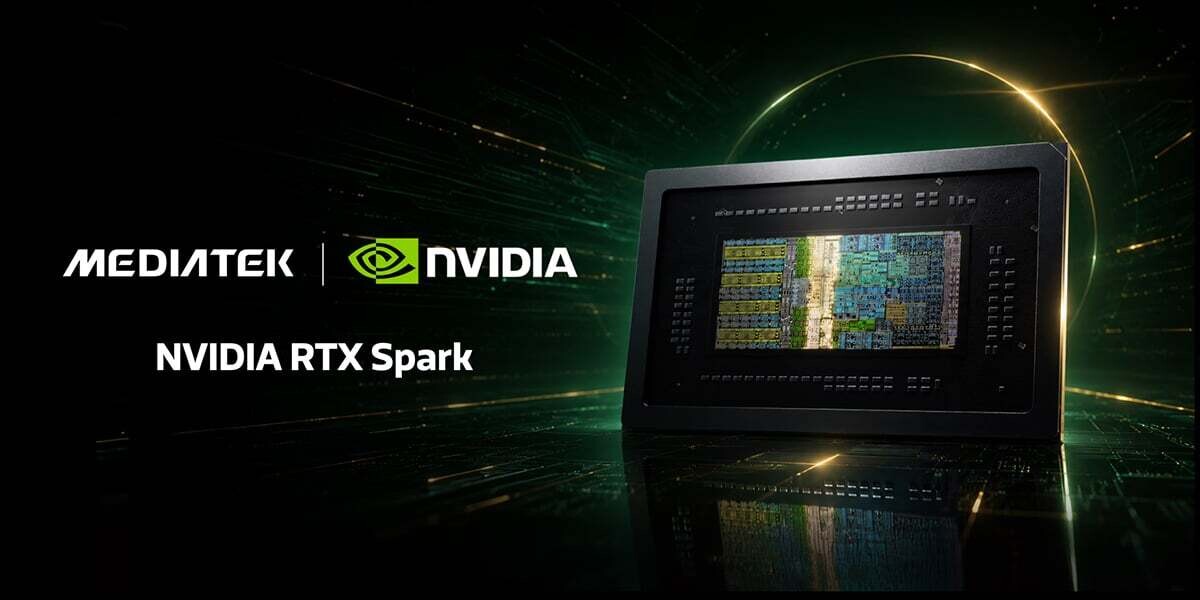
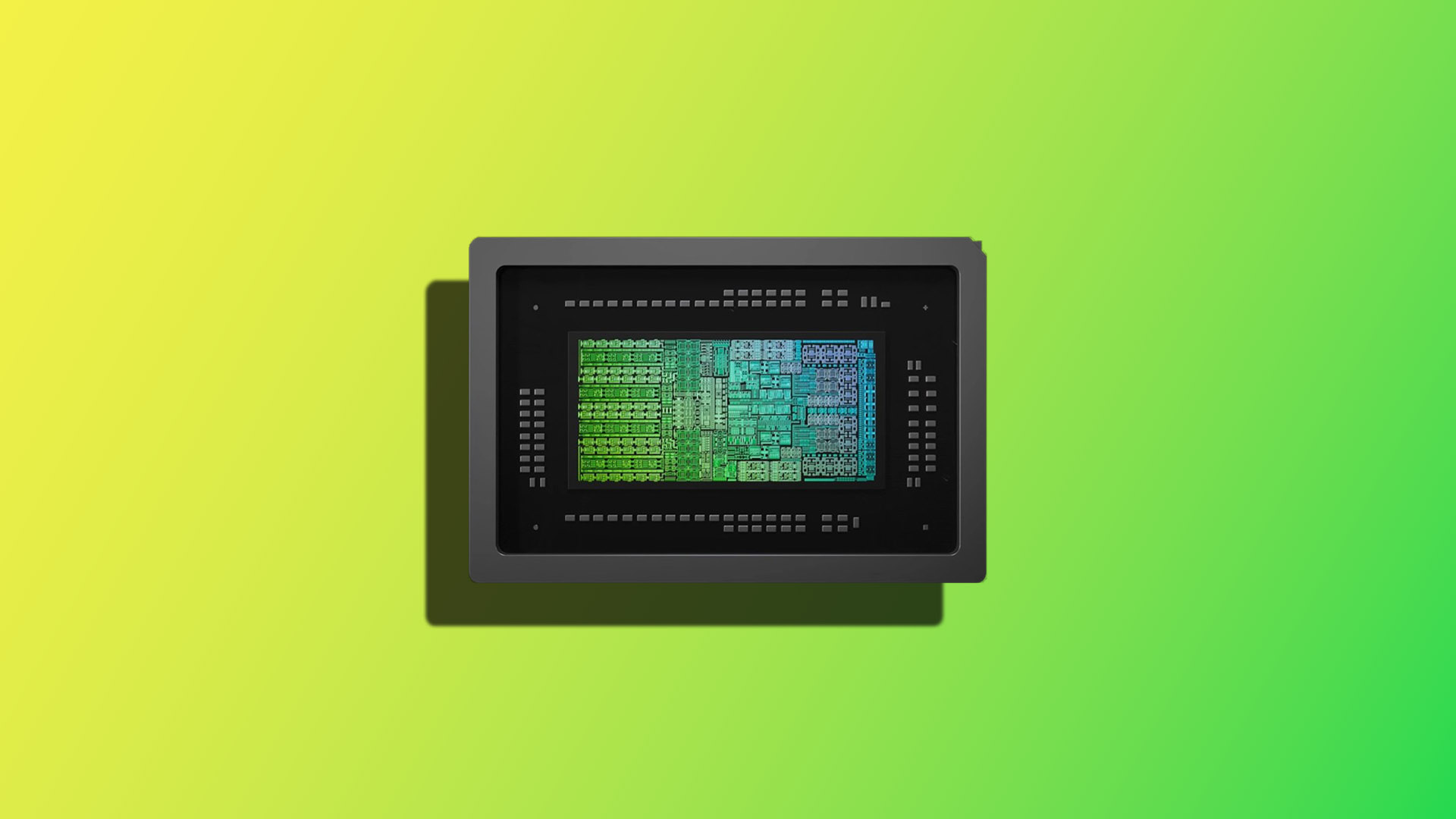
The RTX Spark processor is set to redefine what’s possible in AI-driven computing, leveraging architectural elements from MediaTek’s Dimensity 9400 and Dimensity 8500 chips to deliver unprecedented performance. This collaboration between NVIDIA, MediaTek, ARM, Microsoft, and hardware OEMs signals a major shift away from traditional x86 dominance, positioning the RTX Spark as a cornerstone for next-generation AI workloads.
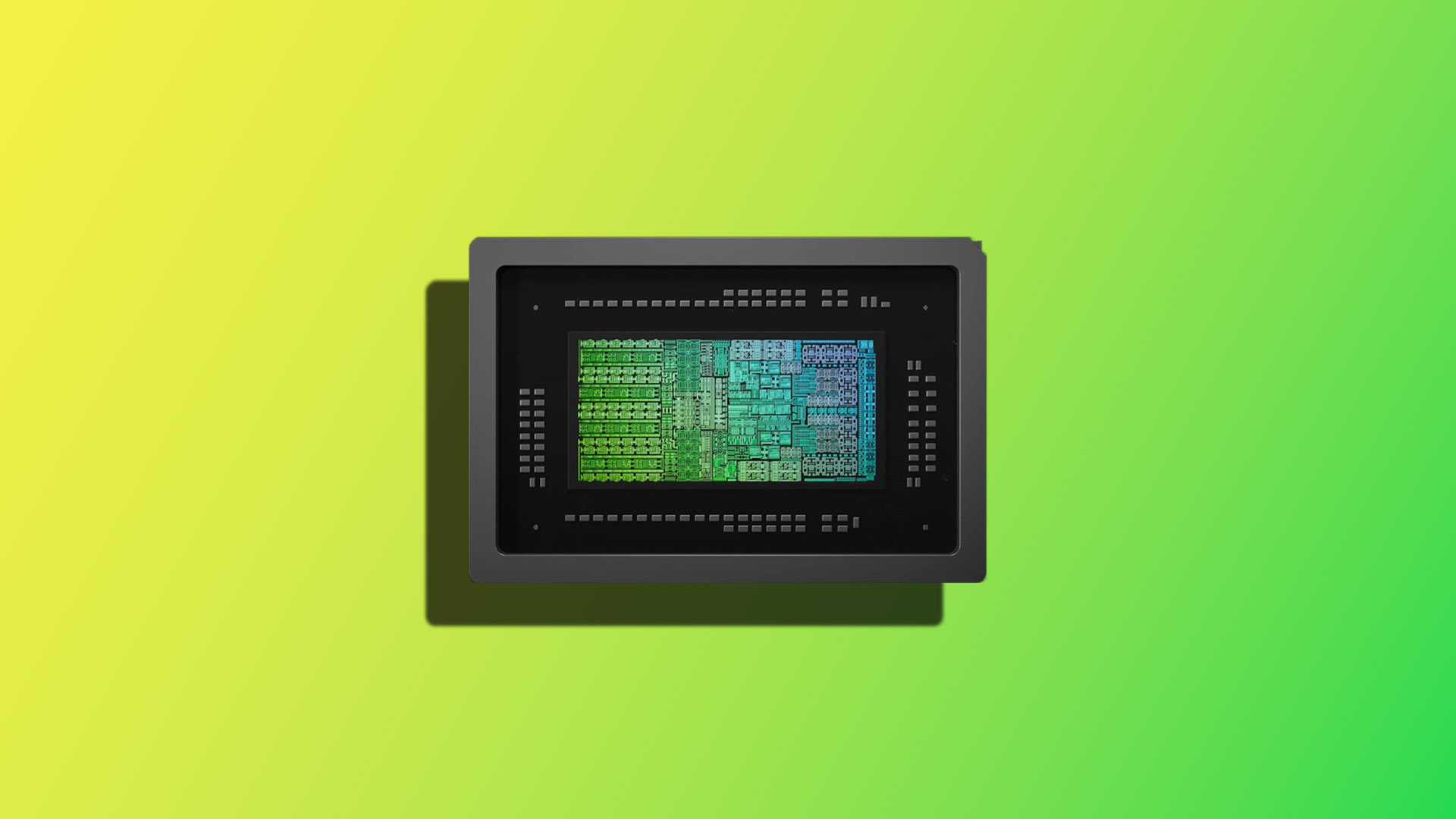
At its core, the RTX Spark integrates a 20-core Grace CPU built on TSMC’s 3nm process, paired with a Blackwell-based RTX GPU featuring 6,144 CUDA cores. This combination delivers up to 1 PFLOP of FP4 AI performance, supported by up to 128GB of LPDDR5X unified memory and approximately 600 GB/s NVLink-C2C bandwidth between CPU and GPU. The platform is designed to support NVIDIA’s full software stack, including CUDA, TensorRT, DLSS, Reflex, G-SYNC, and RTX ray tracing.
Key Specifications
- CPU: 20-core Grace CPU (10x Cortex-X925 + 10x Cortex-A725)
- GPU: Blackwell RTX with 6,144 CUDA cores
- Memory: Up to 128GB LPDDR5X unified memory
- Bandwidth: ~600 GB/s NVLink-C2C between CPU and GPU
The RTX Spark’s CPU architecture is particularly noteworthy, drawing direct inspiration from MediaTek’s Dimensity chips. The Dimensity 9400 uses a single Cortex-X925 prime core, while the Dimensity 8500 employs eight Cortex-A725 performance cores. NVIDIA has scaled this design, integrating ten Cortex-X925 and ten Cortex-A725 cores into its Grace CPU, effectively doubling the efficiency of MediaTek’s approach.
Why This Matters
The RTX Spark is not just a technical achievement; it represents a strategic pivot for NVIDIA. By borrowing proven mobile architectures—albeit in a high-performance context—the company aims to accelerate AI development while maintaining compatibility with established software ecosystems. This collaboration could also serve as a blueprint for future partnerships, potentially influencing how other chipmakers approach hybrid CPU-GPU designs.
However, the practical impact remains tied to NVIDIA’s ecosystem. Developers will need to integrate RTX Spark into systems that support its full software stack, which may limit immediate adoption outside NVIDIA’s partner network. The long-term goal, however, is clear: to push AI performance boundaries while maintaining efficiency.
The RTX Spark’s arrival could mark the beginning of a new era in computing, where mobile-inspired architectures play a pivotal role in high-performance workloads. For creators and developers, this means access to tools that were once reserved for specialized hardware, now brought into mainstream use cases. The challenge will be balancing this innovation with real-world usability, ensuring that the promise of AI efficiency translates into tangible benefits.