The June 2, 2026 PlayStation State of Play event is shaping up as a pivotal moment for developers, particularly those navigating the transition to newer hardware. The focus will be on upgrades that promise significant performance improvements, but the real question is whether these changes justify the operational cost—especially when workloads demand more than just incremental gains.
At the heart of this event lies a shift in how PlayStation handles workload distribution. While details remain under wraps, insiders suggest a move toward more efficient memory management and faster data processing pipelines. For developers, this means tighter control over resource allocation, but also the need to adapt existing workflows to leverage these changes effectively.
What’s New on the Horizon
The upcoming event is expected to introduce hardware upgrades that could redefine how games are developed and rendered. Key areas of focus include
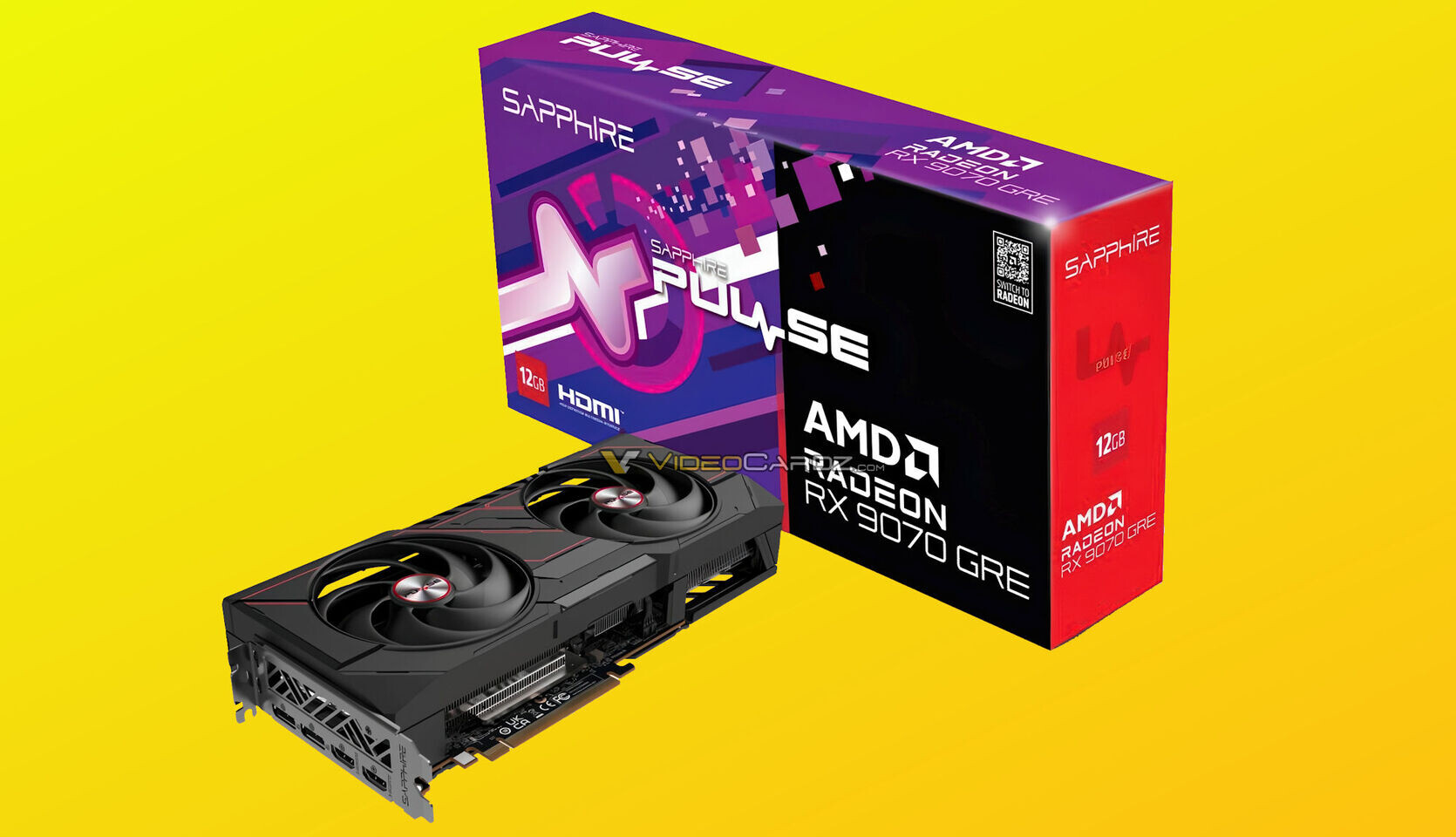
- A revamped GPU architecture designed for higher frame rates and smoother rendering, particularly in complex scenes.
- Enhanced memory bandwidth, allowing for larger textures and more detailed environments without performance drops.
- Improved thermal management, which could extend battery life on portable devices while maintaining peak performance.
These upgrades are not just about raw power; they’re about optimizing how developers use that power. For example, the new GPU architecture is said to prioritize workload-specific optimizations, meaning developers can fine-tune their projects for specific hardware configurations without sacrificing flexibility.
Key Details: Specs and Implications
The details are still emerging, but early reports hint at a significant leap in processing capabilities. The GPU, for instance, is expected to feature a clock speed of around 1.8 GHz, paired with 16 GB of GDDR6 memory. This setup would allow for more efficient data transfer and higher bandwidth, critical for developers working on next-gen titles.
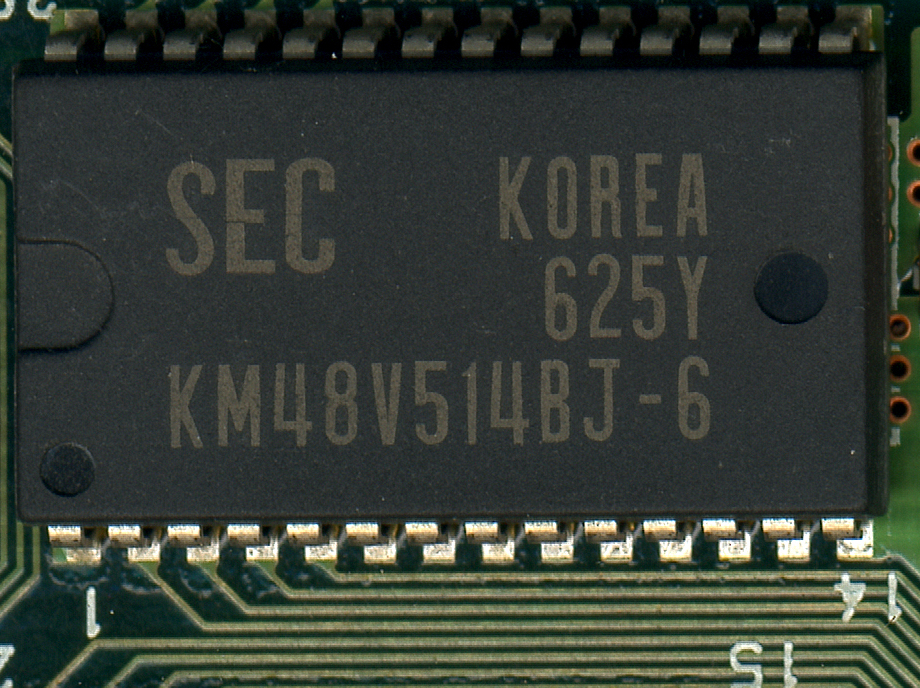
Another notable change is the introduction of a new memory management system. Unlike previous generations, this system is designed to dynamically allocate resources based on workload demands. For developers, this means less manual intervention and more automated optimization, which could streamline production pipelines but also require a learning curve for those accustomed to older methods.
Why It Matters: Cost vs. Performance
The real challenge for developers will be balancing the benefits of these upgrades against their operational costs. While the new hardware promises faster rendering times and more efficient memory usage, the cost of adopting these changes could be substantial—especially for smaller studios or those with limited budgets.
For larger teams with established workflows, the transition may be smoother, but even they will need to invest in retraining or hiring specialists who understand the nuances of the new architecture. The key takeaway is that this event isn’t just about introducing new hardware; it’s about rethinking how development is done from the ground up.
What to Watch Next
Developers should keep a close eye on the event for announcements around software updates, SDKs, and developer tools that will accompany the hardware upgrades. These tools could be the difference between a seamless transition and a bumpy one.
For those working on workload-heavy projects, the focus should be on how these changes integrate with existing pipelines. Early adopters may find themselves at an advantage, but only if they’re willing to invest the time and resources needed to master the new systems. The event could also shed light on backward compatibility, which will be crucial for studios maintaining a mix of older and newer projects.
Ultimately, the June 2026 PlayStation State of Play event is more than just a hardware showcase—it’s a signal that the industry is moving toward a more efficient, workload-optimized future. For developers, the question isn’t whether to upgrade, but how to do it without breaking the bank.