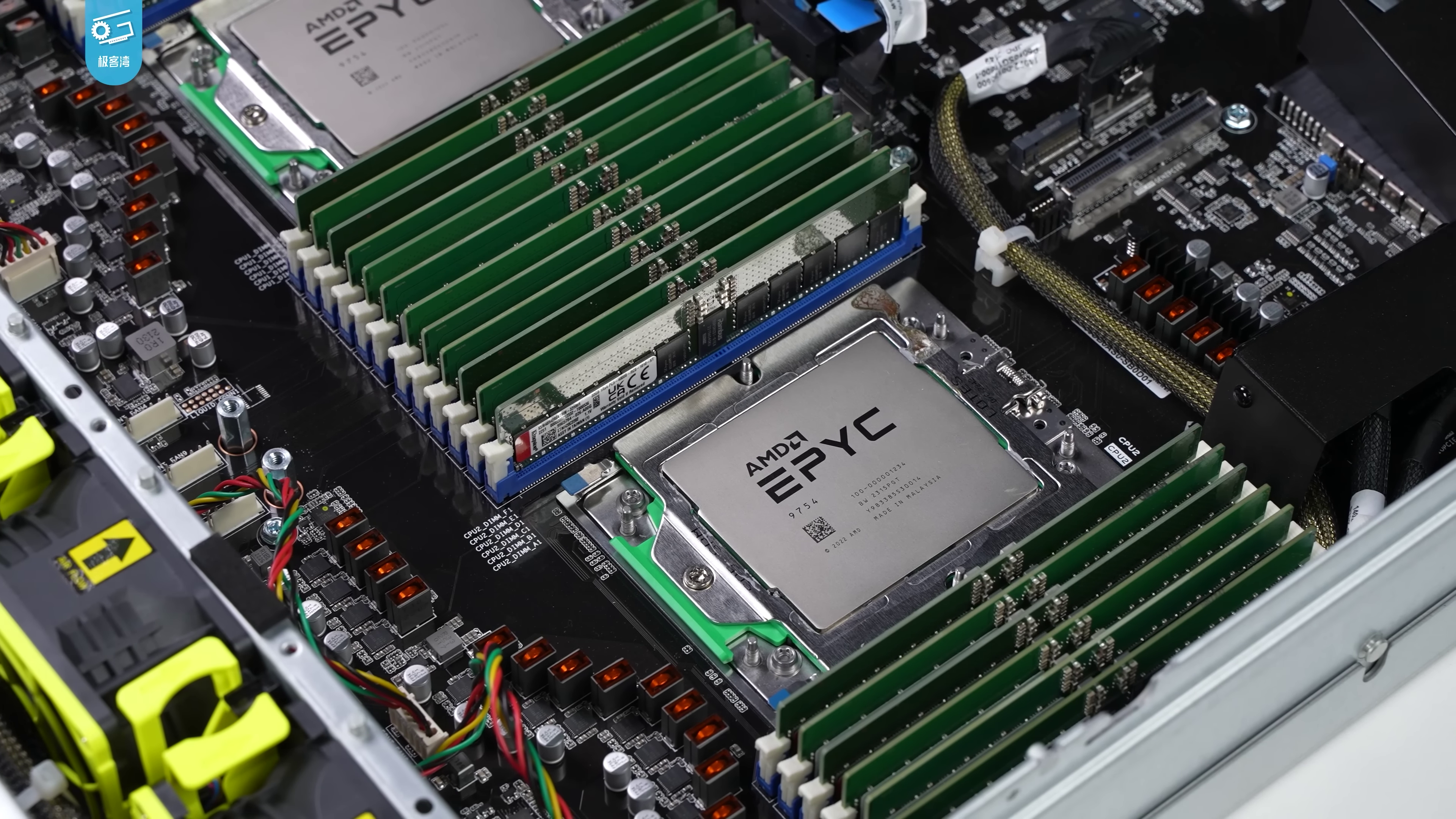
Sony’s integration of a custom AMD Zen 2-based CPU into the PlayStation 5 signifies more than just a performance upgrade—it reflects a strategic pivot in how console hardware is designed to handle legacy content. Unlike its predecessor, the Cell processor, which presented challenges for backward compatibility, the Zen 6 eliminates those limitations by delivering full-speed PlayStation 3 emulation, ensuring that millions of PS3 games can run at their intended performance on the PS5.
This shift is not merely about technical prowess; it addresses a long-standing pain point in console gaming. The Cell architecture, while groundbreaking for its time, required significant workarounds to achieve compatibility with older titles. The Zen 6, however, provides a seamless transition, allowing developers to optimize games without the constraints imposed by previous hardware. This efficiency is further bolstered by the chip’s 5nm FinFET process, which enhances both performance and power consumption.
- 8 cores, 16 threads (SMT)
- Up to 3.5 GHz boost clock
- 24 MB shared L2 cache
- 16 GB GDDR6 memory support
The implications for game development are substantial. The Zen 6’s x86-based architecture reduces the learning curve for studios transitioning from PC to console, streamlining optimization efforts and allowing for more efficient use of existing tools and workflows. This shift could also influence future console designs, setting a new standard for power efficiency and thermal management in next-generation systems.
For Sony, this represents a critical step toward unifying its hardware ecosystem. By addressing backward compatibility risks head-on, the PS5 positions itself as a more versatile platform, capable of handling both next-gen and legacy content with equal capability. This evolution is not just about raw performance—it’s about redefining what gamers expect from their consoles in terms of longevity and adaptability.
The Zen 6 CPU also introduces new considerations for the industry at large. With full-speed emulation, Sony can now confidently port a vast library of PS3 titles to the PS5 without performance degradation, a long-awaited feature that could set a precedent for future console generations. Additionally, the improved efficiency of the Zen 6 could push other manufacturers to rethink their own hardware strategies, prioritizing both power and compatibility in their designs.
While the full impact of this shift remains to be seen, one thing is clear: Sony has taken a decisive step toward creating a more cohesive and adaptable console ecosystem. The Zen 6 CPU is not just an upgrade—it’s a foundation for the future of gaming, where backward compatibility is no longer an afterthought but a core tenet of hardware design.