The iPad mini 7 still holds a strong lead in the sub-10-inch tablet category, but that dominance is facing its first serious test in years. A new competitor is on the horizon, aiming to match Apple’s price point while delivering comparable performance and features. The stakes are high: if successful, this could force Apple to rethink its strategy for the segment, or it could become another footnote in a market where one brand has long set the standard.
At first glance, the challenge seems straightforward. A new compact tablet will arrive with a 7.9-inch display, 2 GB of RAM (a step up from Apple’s 1.5 GB), and a claimed battery life of 10 hours for video playback—numbers that, on paper, rival or surpass what Apple offers. But engineering tradeoffs in display technology, thermal management, and power efficiency may limit how aggressively this newcomer can compete. The question isn’t just whether it can match the iPad mini 7’s price; it’s whether it can do so without sacrificing real-world usability.
Display: the silent battle for brightness and battery
Apple has long favored a 326 ppi display on its compact tablets, but this new contender is taking a different path. Its screen will clock in at 307 ppi, a subtle but meaningful difference that could have practical consequences. Higher pixel density typically means better text and image rendering, but it also demands more power from the battery—something that becomes critical when you’re working with limited real estate.
In reality, this isn’t just about resolution. The new tablet’s display will use a different panel supplier than Apple, which could introduce variations in color accuracy, viewing angles, or even long-term durability. While both devices aim for 600 nits of brightness, the way they achieve it—whether through OLED, LCD, or a hybrid approach—will determine how well they perform in direct sunlight or extended use. For users who rely on their tablet for note-taking, media consumption, or light productivity, these details matter far more than raw specs.
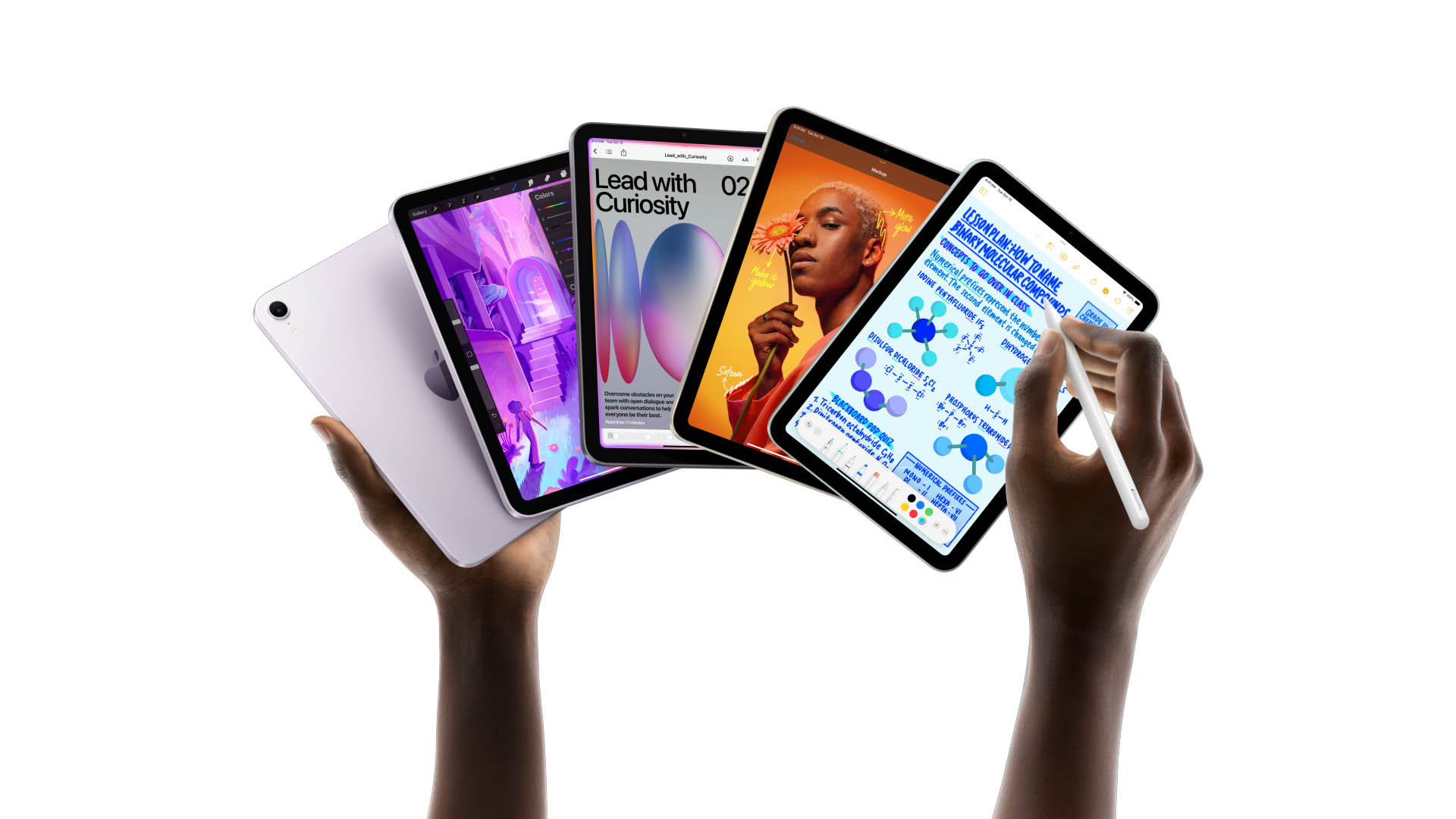
Performance: a race with no finish line
The new competitor is equipped with an 8-core processor (2 performance cores and 6 efficiency cores), which sounds impressive on paper. But Apple’s A15 Bionic in the iPad mini 7 still holds a clear edge in sustained workloads, especially for tasks like video editing or complex note-taking apps that push CPU and GPU limits simultaneously.
Battery life is another battleground where the new tablet may fall short. While it claims 10 hours of video playback, real-world usage—especially with demanding apps running in the background—could eat through that reserve faster than expected. Apple’s iPad mini 7 has proven more consistent here, thanks to years of fine-tuning its thermal and power management systems. If this newcomer can’t match that consistency without a price premium, it risks becoming a niche product rather than a true market disruptor.
There’s also the question of software optimization. Apple’s ecosystem ensures that iPadOS runs smoothly on its hardware, but a new player will need to prove it can deliver comparable stability and responsiveness across a range of workloads. For developers targeting this segment, that could mean choosing between an established platform with predictable performance or a promising but unproven alternative.
The reality check is simple: no compact tablet has ever dethroned the iPad mini 7 on price alone. The next wave will need to deliver tangible improvements in either performance, battery life, or user experience—or accept that its role may be limited to a secondary option for budget-conscious buyers.
What’s next? If this new competitor can close the gap without raising prices, it could force Apple to respond within 12 months. But if it stumbles on real-world efficiency, the iPad mini 7’s reign will likely continue unchallenged—at least until the next round of engineering tradeoffs tips the balance once more.