The global NAND flash market is undergoing a seismic shift, with revenue from the top five suppliers soaring 83.7% in the first quarter of 2026 alone. The combined total hit $38.9 billion, reflecting both a supply crunch and an unprecedented surge in demand for enterprise-grade storage—especially QLC SSDs—fueled by AI infrastructure expansion.
This isn't just a temporary spike; industry analysts expect the imbalance between supply and demand to persist into the second quarter, with no significant new production capacity on the horizon. While consumer markets like smartphones and PCs have cooled due to rising costs, server orders—particularly for high-density storage solutions—remain robust enough to sustain elevated average selling prices (ASPs). The result? Pricing strategies are shifting toward sustained premiums, not just short-term hikes.
Market Dynamics: Who’s Gaining, and Why?
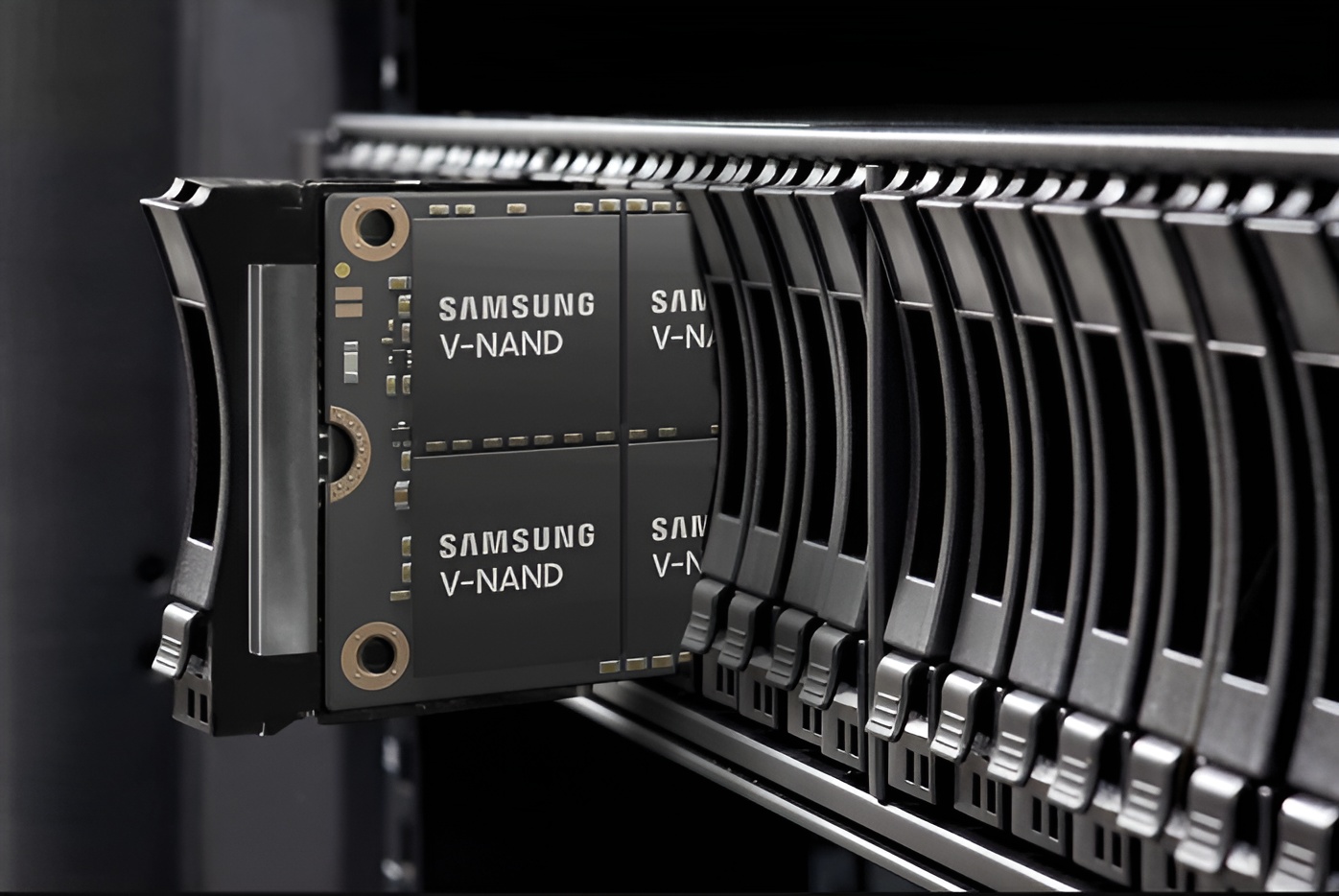
Samsung maintained its leadership in the first quarter, posting $13.51 billion in NAND flash revenue—a 104.7% increase that outpaced all other top suppliers. The company’s growth was driven by aggressive contract pricing and a surge in server-related bit shipments, which pushed its market share from 28% to 31.6%. That said, the sheer scale of Samsung’s production—along with its dominance in both consumer and enterprise markets—means its revenue gains are less about market share shifts than absolute volume increases.
SK hynix Group (which includes SK hynix and Solidigm) followed with $7.53 billion in revenue, up 44.6% quarter-over-quarter. The group’s performance was bolstered by Solidigm’s steady stream of orders for high-capacity QLC enterprise SSDs, a segment that has become increasingly critical as data center operators prioritize density and cost efficiency over traditional HDD alternatives.
- Key Revenue Figures (1Q26):
- Samsung: $13.51 billion (+104.7% QoQ)
- SK hynix Group: $7.53 billion (+44.6% QoQ)
- Kioxia: $5.96 billion (+80% QoQ)
- Micron: $5.95 billion (+96.7% QoQ)
- Sandisk: $5.95 billion (+200%+ in data center segment)
The numbers tell a clear story: QLC SSDs are no longer a niche product but the backbone of enterprise storage, with Sandisk’s data center business showing over 200% growth—a direct result of its pivot toward high-value, high-density solutions. Meanwhile, Micron’s rebound to fourth place (tied with Sandisk) underscores how ASP hikes have leveled the playing field for suppliers beyond Samsung and SK hynix.
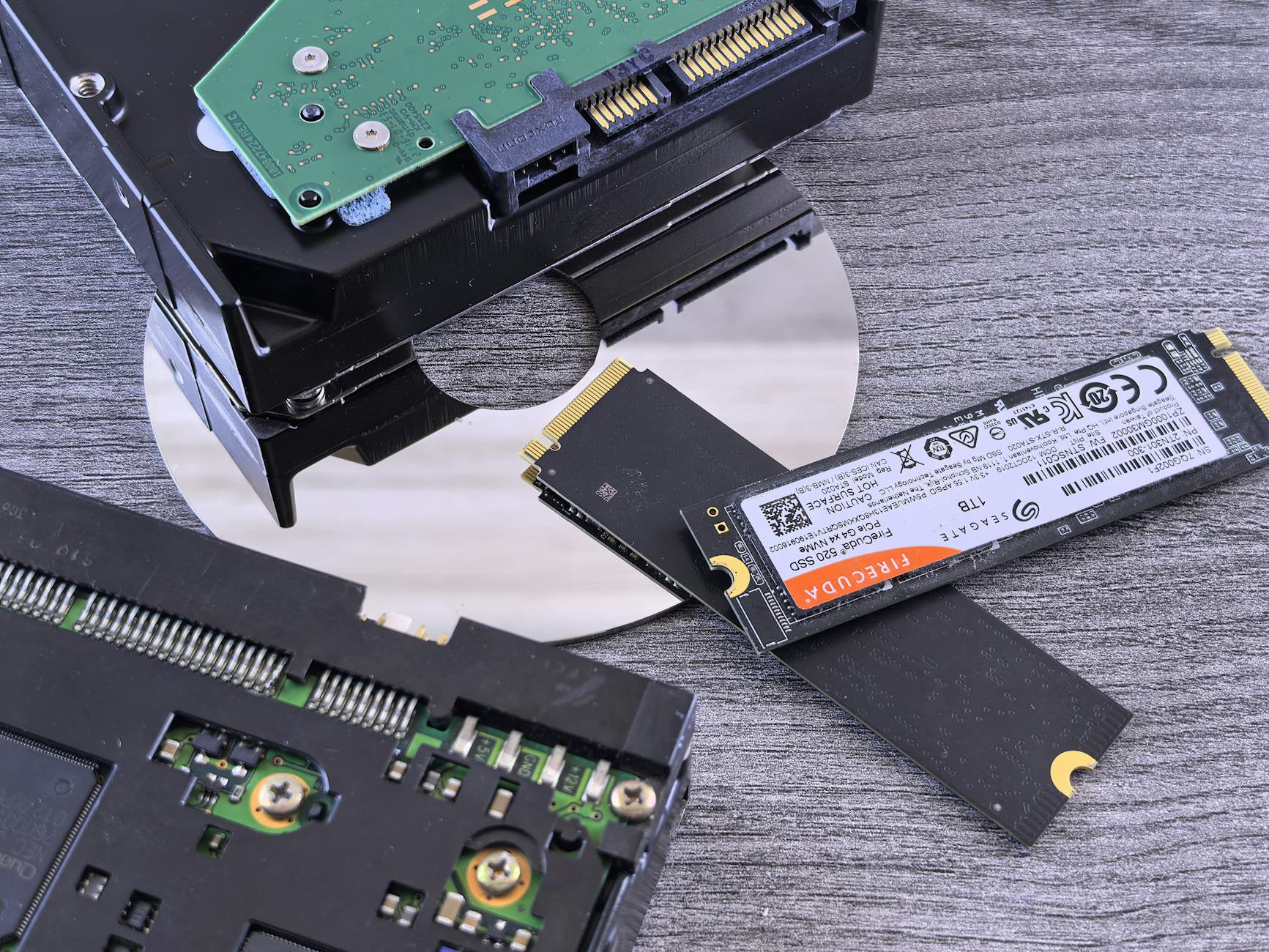
Supply Constraints: The Elephant in the Room
The root cause of this revenue surge is a dual constraint: production capacity has not kept pace with demand, and no major expansions are planned for 2026. This isn’t just about AI—though that’s a significant driver—but also about the structural decline of HDDs, which has forced enterprises to adopt QLC SSDs faster than anticipated. The result is a market where pricing power is firmly in the hands of suppliers, and end customers are locked into long-term contracts to secure supply.
Looking ahead, the trend toward 200-layer or higher NAND processes will accelerate, further tightening supply. These advanced nodes offer both higher density and better cost efficiency, but ramping up production is a complex process—one that requires significant lead time. For developers building AI infrastructure, this means longer lead times for high-capacity modules and continued pressure on operational costs as ASPs remain elevated.
What’s Next: Pricing, Capacity, and the Road Ahead
The immediate outlook is one of sustained premium pricing, with no signs of relief in sight. While consumer markets may soften, enterprise demand—particularly for QLC SSDs—is expected to remain strong through 2026. Suppliers are unlikely to add meaningful capacity before the end of the year, meaning enterprises will need to plan for extended supply chains and budget accordingly. For those integrating storage solutions into AI workloads, this quarter’s data should serve as a cautionary tale: the cost of scaling is no longer just about compute—it’s about storage density and availability.
Watch for: further consolidation in the enterprise SSD market, potential shifts in contract pricing models, and whether 200-layer+ NAND becomes the new baseline for performance benchmarks. The days of cheap, abundant flash are over—but the demand has never been more urgent.