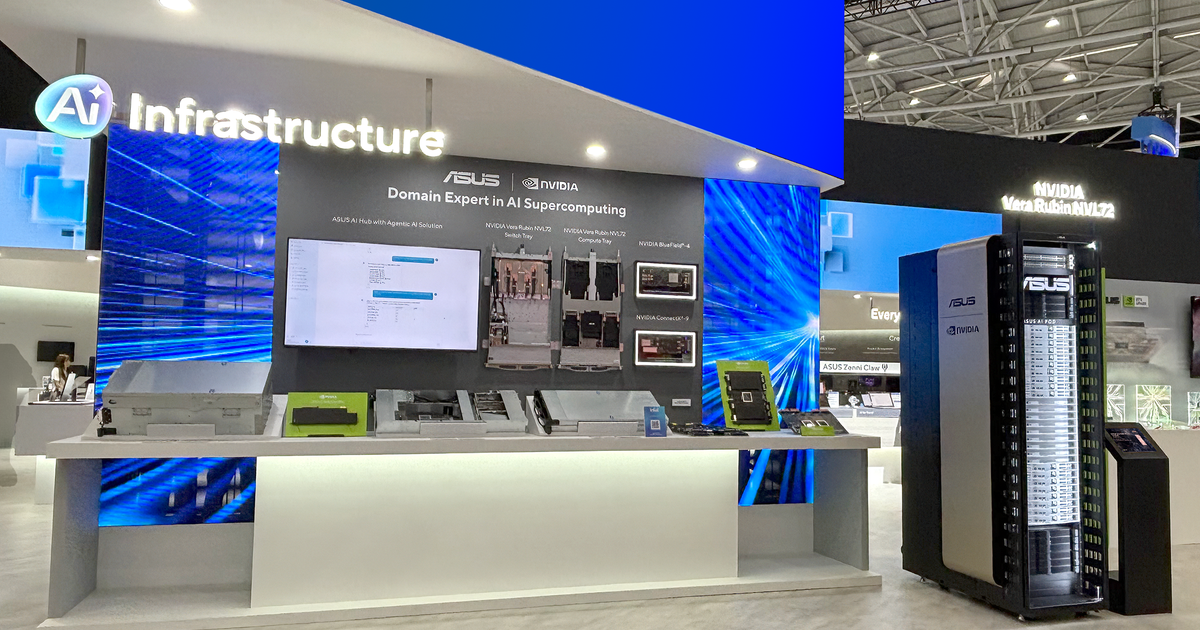
NVIDIA is accelerating the trajectory of Artificial Intelligence with the introduction of its Rubin platform. This ambitious project represents a fundamental shift in how high-performance computing is approached for AI applications, moving beyond traditional monolithic architectures towards a more modular and specialized design. At the heart of the Rubin initiative are six new GPU chips, each meticulously crafted to excel within specific segments of the AI landscape.
The Core Components: Six Specialized GPUs
The Rubin platform isn’t built around a single, all-encompassing GPU. Instead, it leverages six distinct processing units, each engineered with a unique set of capabilities. These chips are designed to address the diverse computational demands inherent in modern AI development and deployment. While specific details regarding individual chip architectures remain deliberately guarded, NVIDIA has highlighted key areas of specialization across this suite.
- High-Performance Compute (HPC) GPUs: Optimized for large-scale model training, these chips prioritize raw computational power and memory bandwidth to accelerate the development of complex AI models.
- Data Center GPUs: These units are designed for efficient performance within data center environments, focusing on throughput and optimized scaling capabilities.
- Vertex GPUs: Specifically tailored for tasks involving linear algebra operations – a cornerstone of many AI algorithms – these chips deliver exceptional speed and efficiency.
- Tensor Cores Optimized GPUs: These units feature enhanced Tensor Core performance, accelerating matrix multiplication operations crucial for deep learning inference and training.
- Memory-Bound GPUs: Designed to minimize bottlenecks related to memory access, these chips prioritize data movement efficiency within the system.
- General Purpose AI GPUs: Offering a balanced combination of features, these chips provide versatility across various AI workloads, serving as a foundational component within the Rubin architecture.
A Unified Supercomputer Architecture
The true innovation of the Rubin platform lies in how these six specialized GPUs are integrated to create a powerful, unified supercomputer. NVIDIA’s approach transcends the traditional model of simply connecting multiple GPUs; instead, Rubin employs a sophisticated interconnect fabric and intelligent resource management system.

Dynamic Resource Allocation
The Rubin architecture facilitates dynamic allocation of workloads across the six GPUs based on real-time demands. This allows for optimal utilization of processing power and minimizes wasted resources. The system intelligently distributes tasks, ensuring that each GPU operates at its peak performance level, regardless of the specific AI application.
Enhanced Scalability
Beyond individual chip performance, Rubin is engineered for scalability. As AI workloads grow in complexity and data volume, the platform can be expanded by adding additional GPUs – seamlessly integrating into the existing architecture. This future-proof design ensures that organizations investing in Rubin will have a system capable of handling increasing computational demands.
Software Ecosystem Integration
NVIDIA recognizes that hardware performance is only part of the equation. The Rubin platform benefits from NVIDIA’s extensive software ecosystem, including CUDA, TensorRT, and Triton Inference Server. These tools provide developers with the necessary resources to efficiently develop, deploy, and optimize AI applications on the Rubin architecture.
Implications for the Future of AI
The launch of the Rubin platform signals a decisive shift in the landscape of AI processing. By embracing specialization and a unified supercomputer architecture, NVIDIA is providing organizations with a powerful toolset to tackle some of the most challenging problems in artificial intelligence. The ability to dynamically allocate resources and scale the system ensures that Rubin will remain relevant as AI workloads continue to evolve.
Key Benefits
- Accelerated Model Training: Optimized GPU architectures dramatically reduce training times for complex AI models.
- Efficient Inference Performance: Specialized Tensor Cores deliver faster and more efficient inference speeds.
- Reduced Operational Costs: Dynamic resource allocation minimizes wasted energy and optimizes infrastructure utilization.
- Future-Proof Scalability: The platform’s design allows for seamless expansion as AI workloads grow.
The Rubin platform represents more than just a collection of chips; it's a strategic investment in the future of AI, empowering innovation and driving advancements across diverse industries.