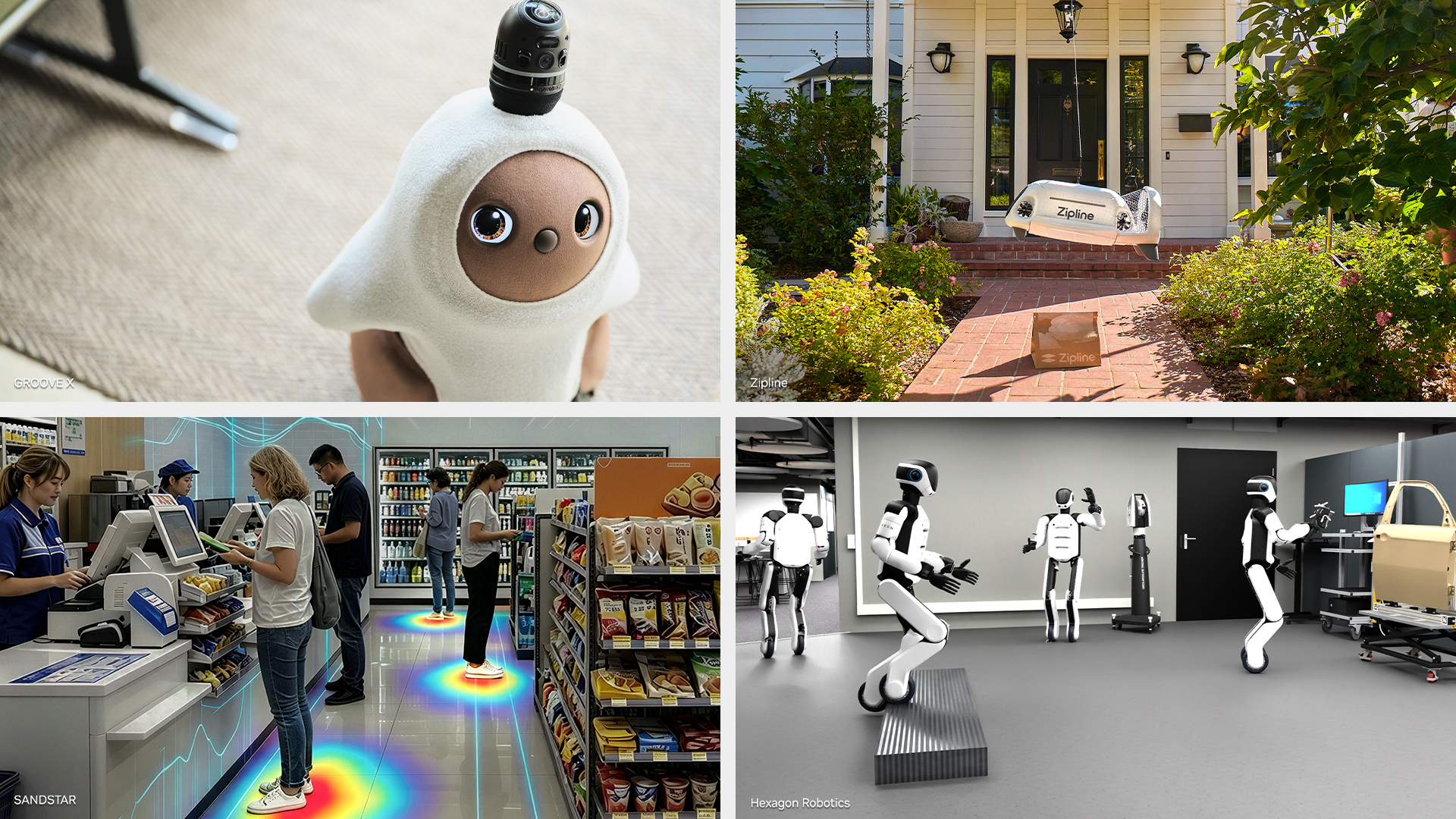
NVIDIA has unveiled a comprehensive suite of advancements aimed at fostering innovation within the rapidly evolving field of physical artificial intelligence (AI). This strategic move includes the release of new, open-source AI models and frameworks alongside significant developments in AI infrastructure. Simultaneously, NVIDIA is witnessing tangible results through collaborative deployments with leading global partners who are integrating these technologies into next-generation robotic solutions.
The Rise of Physical AI
Traditionally, AI development has largely focused on digital applications – machine learning algorithms processing data within virtual environments. However, a growing wave of interest is shifting the focus to physical AI, where AI systems interact directly with and control the real world through robots and other embodied agents. This paradigm shift demands specialized tools and frameworks capable of bridging the gap between theoretical models and practical robotic execution.
NVIDIA’s response has been a deliberate effort to provide developers with the foundational elements needed for this new frontier. The newly released open models represent a core component of this strategy, offering a modular and adaptable platform for building sophisticated AI-driven robotics applications. These models are designed to be readily integrated into various robotic platforms, facilitating faster development cycles and reducing barriers to entry for organizations exploring physical AI.
New Frameworks and Infrastructure
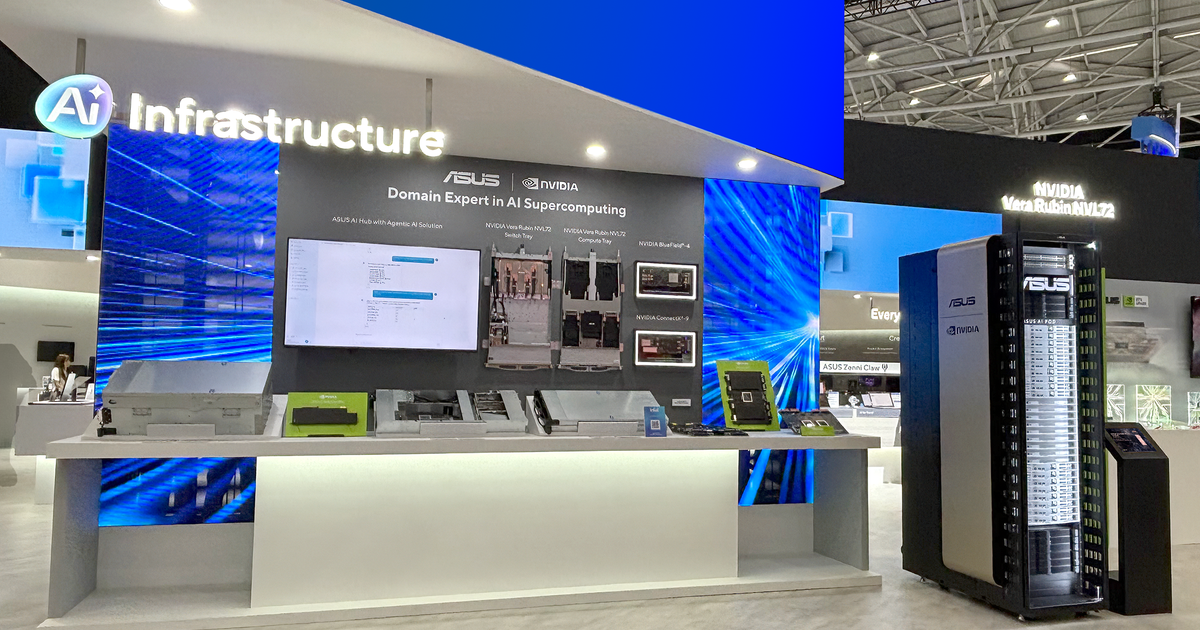
Beyond the core models, NVIDIA is bolstering its ecosystem with new frameworks optimized for physical AI workloads. These frameworks streamline the process of deploying and managing AI algorithms on robotic systems, addressing critical challenges such as real-time data processing, sensor integration, and actuator control. The investment in enhanced infrastructure further supports these advancements, providing the computational power necessary to train and execute complex AI models within a robotics context.
The emphasis on open-source initiatives is particularly noteworthy. By making its models and frameworks publicly available, NVIDIA is fostering a vibrant community of developers who can contribute to the ongoing evolution of the physical AI ecosystem. This collaborative approach promises to accelerate innovation and drive down development costs for organizations across diverse industries.
Partner Deployments Drive Real-World Applications
The impact of NVIDIA’s advancements is already being felt through strategic partnerships across a broad spectrum of sectors. Leading global partners are leveraging NVIDIA's technologies to develop robots tailored to specific industry needs, demonstrating the practical applicability of physical AI.

- Manufacturing: Several manufacturers are deploying robots equipped with NVIDIA’s AI models for tasks such as quality inspection, automated assembly, and material handling. These robots utilize real-time sensor data to identify defects, optimize production processes, and enhance overall efficiency.
- Logistics & Warehousing: The automation of warehouse operations is receiving a significant boost through the integration of NVIDIA’s physical AI solutions. Robots are being used for tasks like picking, packing, sorting, and transporting goods within warehouses, dramatically reducing operational costs and improving throughput.
- Healthcare: In healthcare settings, robots powered by NVIDIA’s technology are assisting with patient care, medication dispensing, and surgical procedures. The precision and responsiveness offered by physical AI are proving invaluable in these demanding environments.
- Agriculture: Precision agriculture is benefiting from the deployment of autonomous robots equipped with AI models for tasks such as crop monitoring, weeding, and harvesting. These robots optimize resource utilization and improve yields while minimizing environmental impact.
Looking Ahead – The Future of Embodied Intelligence
NVIDIA’s commitment to physical AI represents a pivotal moment in the evolution of robotics. As hardware becomes more powerful and AI algorithms become increasingly sophisticated, we can anticipate even greater advancements in robotic capabilities.
Key trends driving this growth include
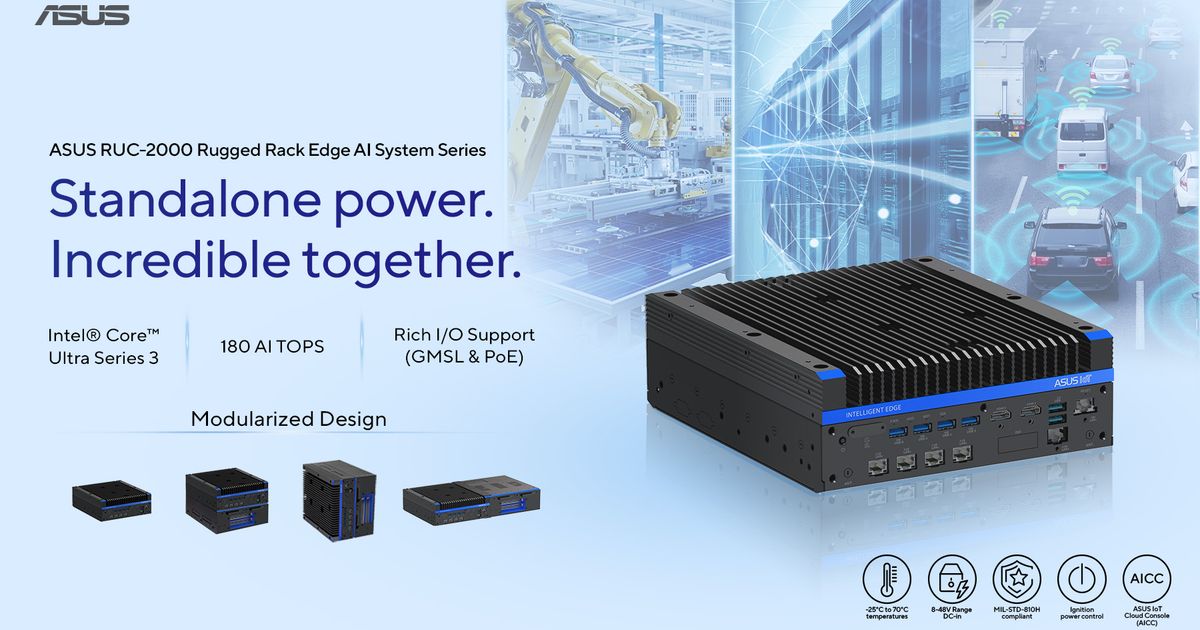
- Edge Computing: The ability to execute AI models directly on robots, rather than relying solely on cloud connectivity, is becoming increasingly critical for applications requiring real-time responsiveness and data privacy.
- Sensor Fusion: Robots are equipped with a growing array of sensors – cameras, LiDAR, radar, force sensors – enabling them to perceive their environment with greater accuracy and detail.
- Reinforcement Learning: AI algorithms are being used to train robots through trial and error, allowing them to learn complex tasks without explicit programming.
NVIDIA’s ongoing investment in physical AI is poised to accelerate these trends, paving the way for a future where intelligent robots seamlessly integrate into our daily lives, transforming industries and solving some of the world's most pressing challenges.