NVIDIA has formed a strategic partnership with Foxconn and leading Taiwanese medical centers to deploy advanced AI solutions under the 'Healthy Taiwan' initiative. The collaboration is designed to expedite the integration of agentic and physical AI systems, with a strong emphasis on power efficiency, a key concern for users in high-performance computing environments.
The initiative will leverage NVIDIA's AI infrastructure, including its latest GPUs optimized for healthcare workloads. Foxconn, known for its manufacturing expertise, will oversee hardware development and deployment, while medical centers will provide real-world testing. The focus on thermals and power efficiency indicates a push toward more sustainable AI deployment in high-demand settings.
- NVIDIA's latest GPUs are tailored specifically for healthcare applications, ensuring seamless integration into system architectures.
- Foxconn's involvement ensures scalability and manufacturing readiness, facilitating mass adoption.
- The initiative encompasses both agentic AI (autonomous decision-making) and physical AI (robotics and assistive systems).
While the focus on performance-per-watt improvements offers significant advantages, concerns about long-term platform lock-in remain. NVIDIA's dominance in AI hardware could further solidify its market position, potentially limiting flexibility for users who rely on diverse ecosystems. This initiative may not only impact healthcare but also reshape how AI is deployed across industries.
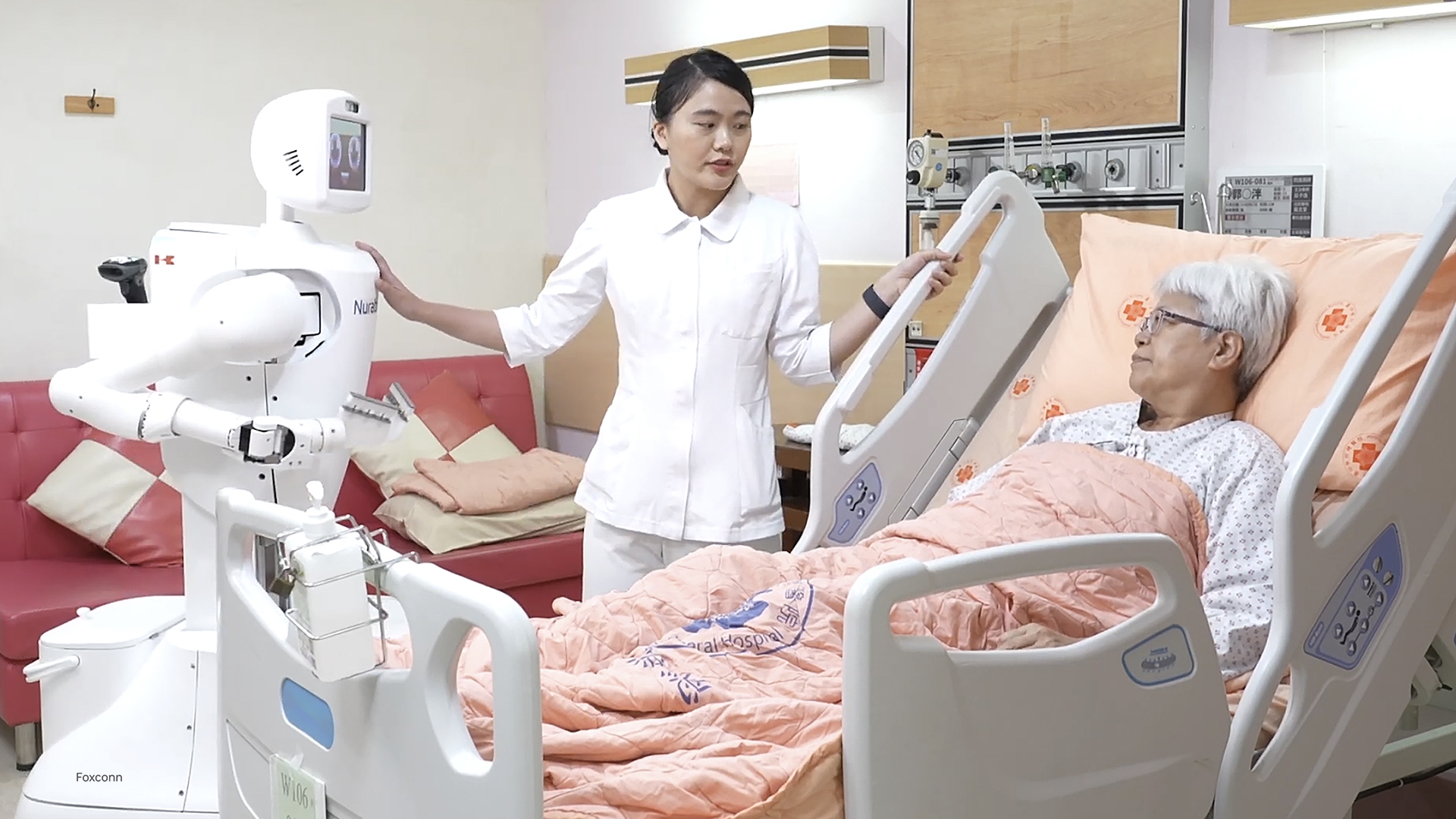
The collaboration suggests a broader strategy to integrate AI into Taiwan's healthcare infrastructure, with potential spillover effects in manufacturing and logistics. Foxconn's participation indicates a focus on industrial-scale deployment, which could set the stage for similar initiatives in other sectors. Power users, particularly those in data-intensive fields, will need to closely monitor the evolution of this partnership.
Key areas to watch include the timeline for commercial availability of these AI systems, the pricing structure for hardware and software components, and whether NVIDIA's platform approach will dominate the market or face competition from alternative solutions. The initiative could mark a significant shift in how AI is deployed, with implications that extend far beyond healthcare.