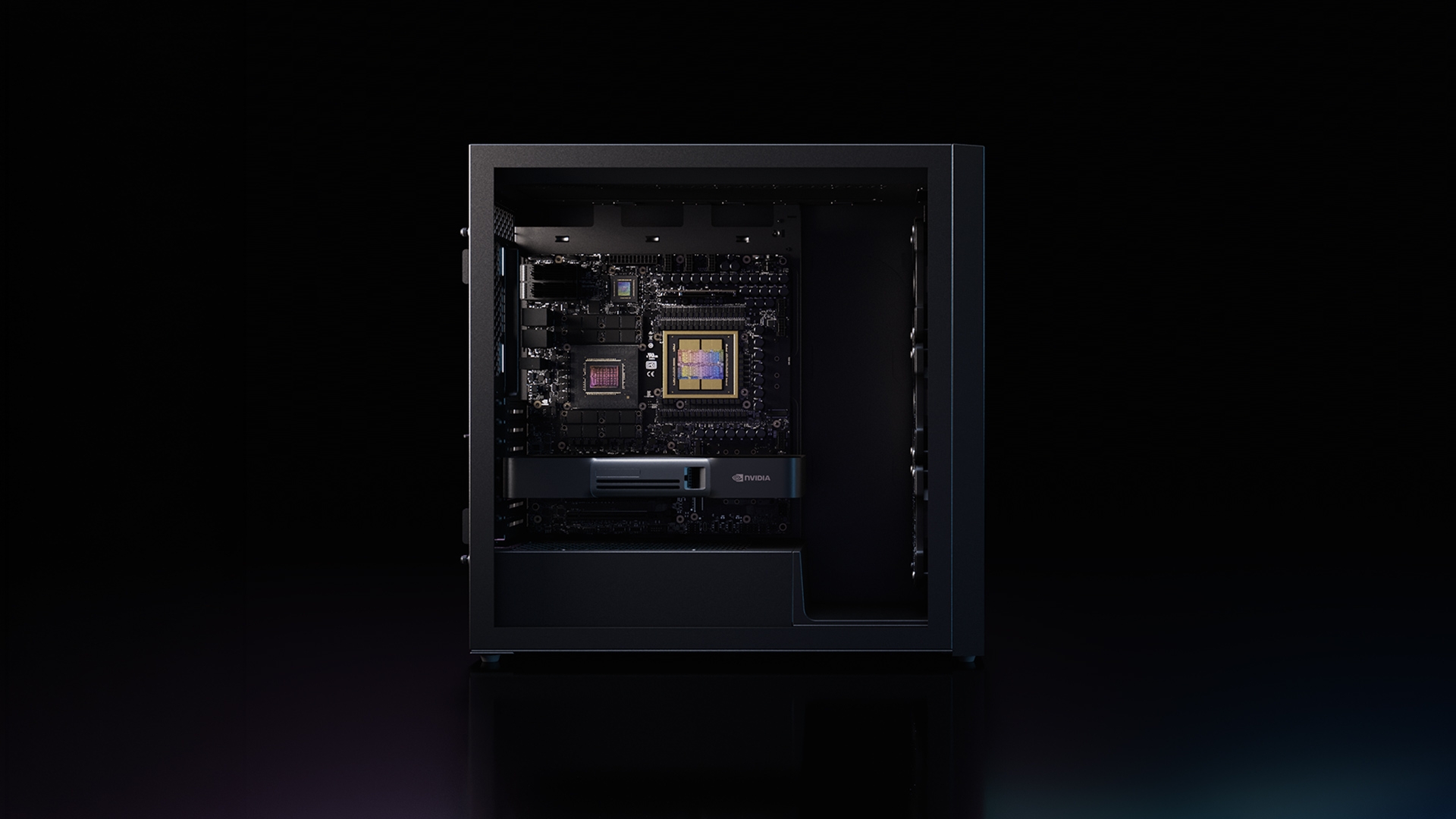
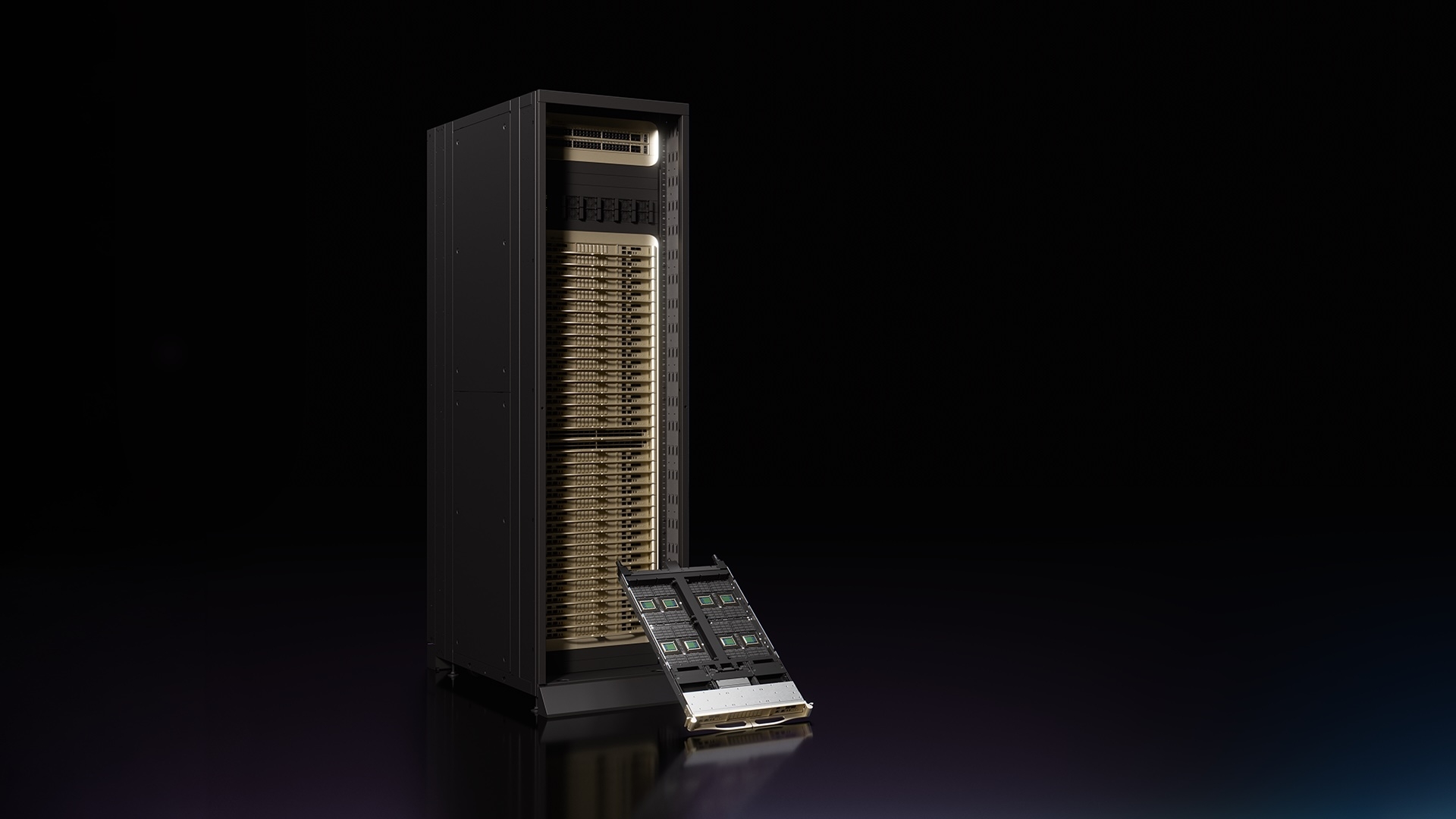
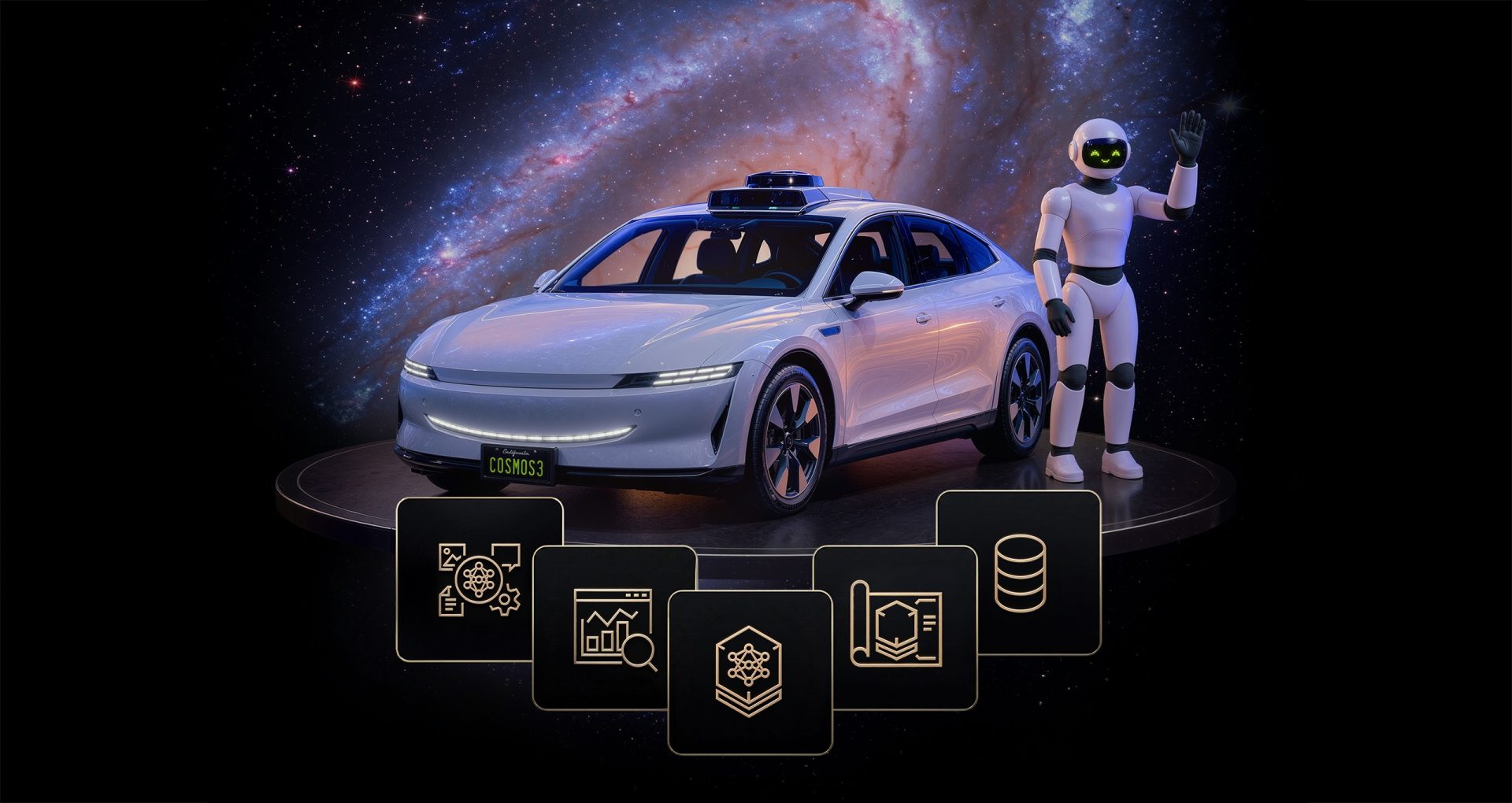
NVIDIA has introduced Cosmos 3, its third-generation foundation model, specifically tailored for physical AI tasks such as robotics and large-scale simulations. Unlike earlier versions, this iteration prioritizes real-world applicability while maintaining seamless integration with existing NVIDIA hardware, including the L40S GPU, which offers 96GB of HBM3 memory to support demanding AI workloads.
The model's architecture includes pre-trained capabilities that can be fine-tuned for specialized use cases. This flexibility allows developers to deploy Cosmos 3 across a range of physical AI scenarios without extensive retraining. While NVIDIA has emphasized its performance in high-memory environments, independent validation of benchmarks is still pending, leaving some questions about its efficiency in less optimized setups.
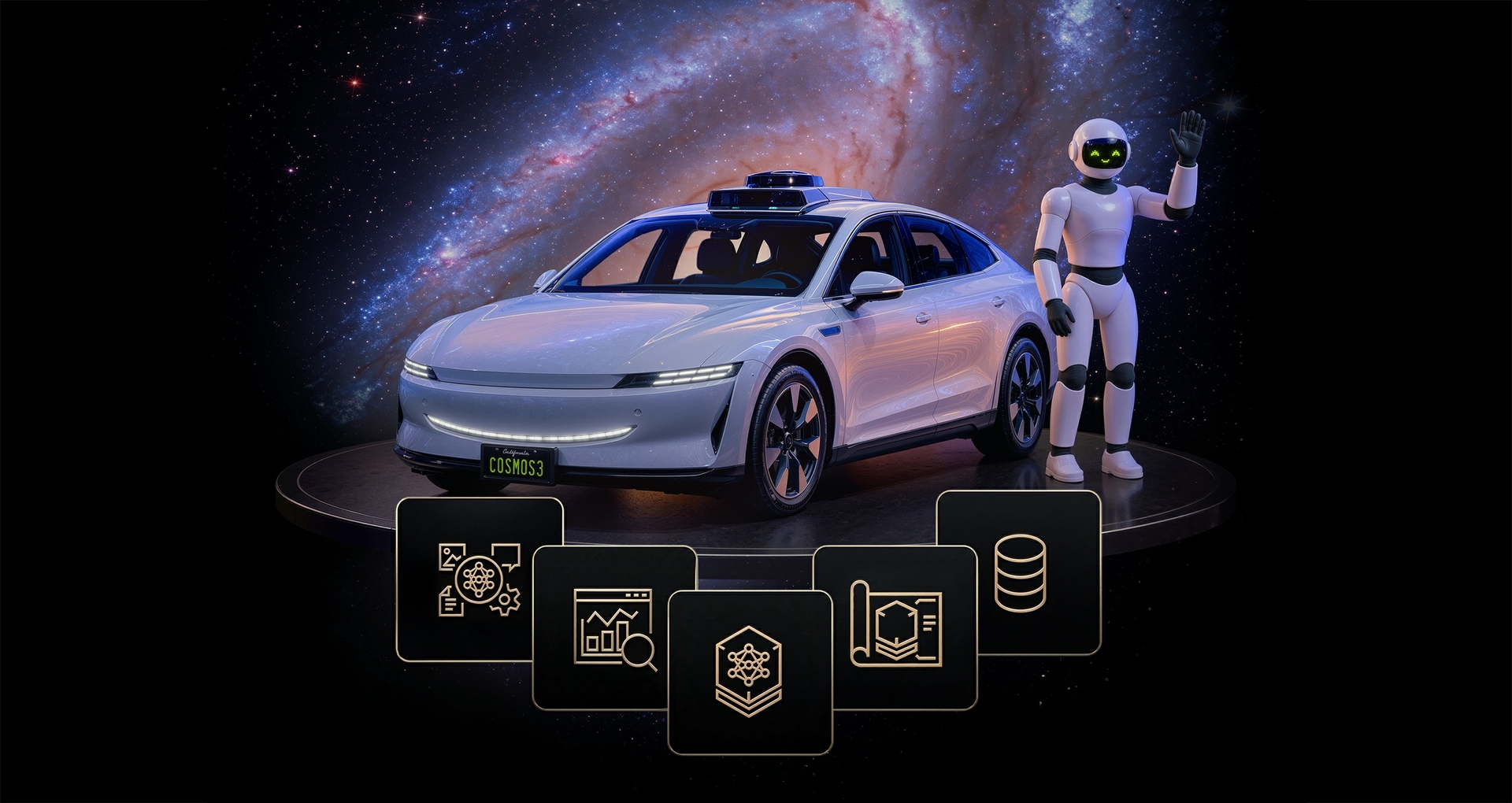
Early industry feedback suggests that Cosmos 3 is being viewed as a significant advancement for physical AI development. Users highlight its compatibility with established NVIDIA platforms, which simplifies adoption, though long-term scalability remains an area of cautious optimism. The model's focus on simulation accuracy could make it particularly valuable for robotics applications where precision is critical.
As part of NVIDIA's expanding AI toolkit, Cosmos 3 is positioned to play a central role in the company's strategy to push the boundaries of physical AI. It joins other recent releases like the Blackwell architecture and the L40S GPU, which together form a cohesive ecosystem for next-generation AI workloads. Buyers are advised to stay informed as additional performance metrics and real-world test results become available.