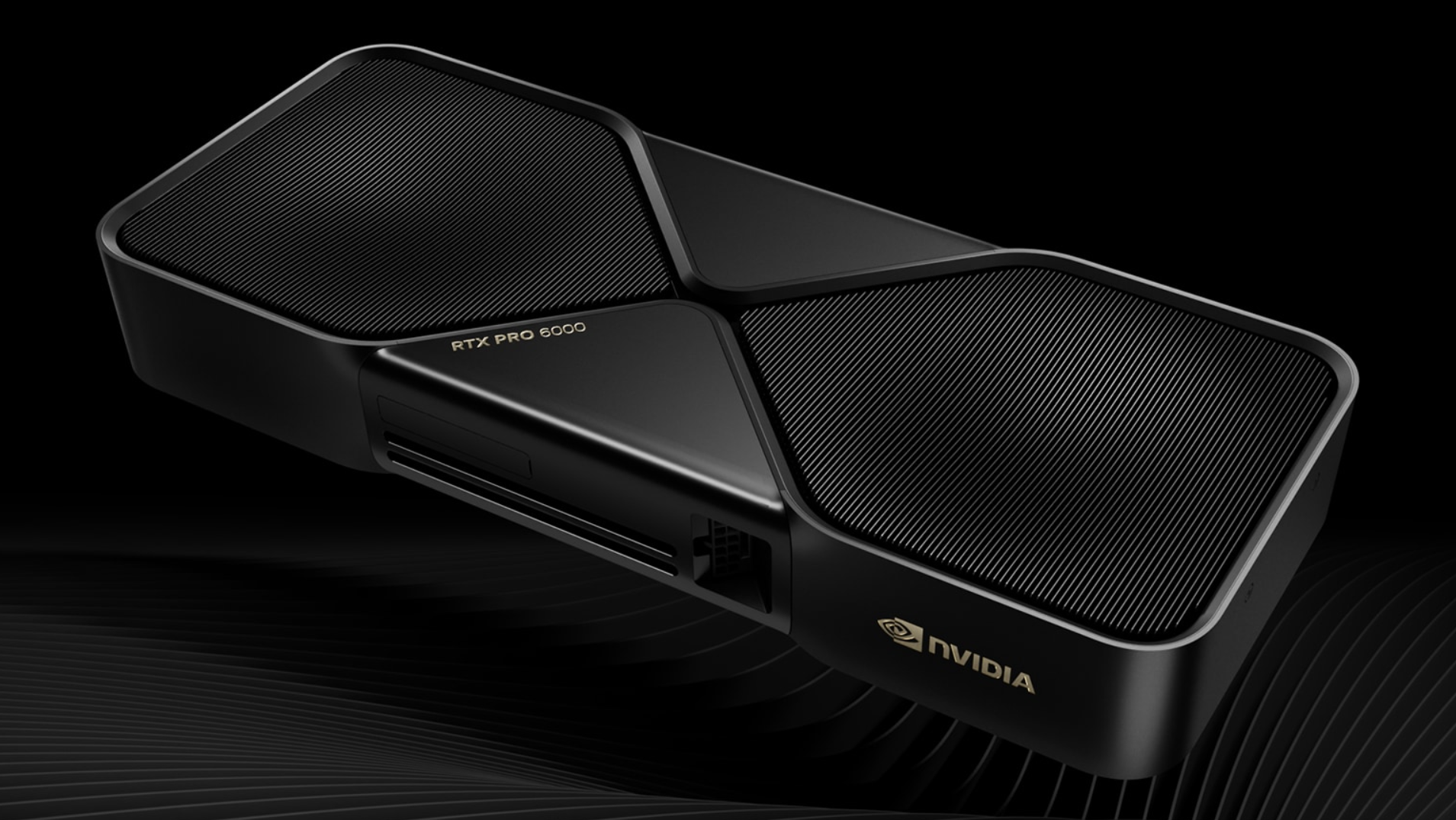
The U.S. government has announced additional tariffs on certain advanced computing chips, marking a significant escalation in its efforts to bolster domestic semiconductor manufacturing while addressing national security concerns. The new 25% tariff applies to high-end products like Nvidia’s H200 and AMD’s MI325X, though exemptions exist for chips critical to expanding U.S. tech infrastructure and strengthening local production capabilities.
Unlike previous measures that explicitly targeted China-origin semiconductors, this latest action does not name a specific country but instead frames the move as part of broader national security priorities. The tariffs aim to incentivize major chipmakers—including Taiwan Semiconductor Manufacturing Company (TSMC), which has already pledged a $100 billion investment in U.S.-based fabrication plants—to accelerate their shift toward domestic production. This follows earlier threats, such as the proposed 100% tariff on all non-U.S.-made computer chips announced in August 2025, which would have further strained global supply chains if implemented.

The government has also reserved the right to expand these restrictions, potentially targeting a wider range of semiconductor imports and derivative products. While the immediate focus is on advanced computing chips, the long-term implications could ripple through industries reliant on high-performance hardware, from AI development to scientific research. The move reflects a strategic pivot away from decades of globalized supply chains toward a more insular, U.S.-centric approach—one that may ultimately benefit domestic innovation but also risks higher costs for consumers and businesses alike.
This isn’t the first time tariffs have been used as leverage in semiconductor policy. Earlier this year, a 50% tariff was imposed on Chinese-made chips, further isolating manufacturers from key supply sources. Now, with TSMC’s massive U.S. investment already underway, the question remains whether such measures will succeed in reshaping global production—or if they’ll simply drive up prices and fragment an increasingly interconnected tech ecosystem.
The Core Ultra 3 laptop, for example, represents a microcosm of this tension: its USB-C connectivity and integrated graphics rely on a complex, globally sourced supply chain. If broader restrictions materialize, even consumer-grade hardware could face disruption, though the immediate impact may be limited to high-end enterprise and data center components like those targeted in this latest round.