Micron is navigating a complex landscape where market dynamics and consumer expectations collide, particularly in the realm of RAM. The company's recent announcement to discontinue the Crucial brand has sparked debate about its long-term impact on an already strained industry.
The global demand for memory solutions has surged, driven by the proliferation of high-performance computing devices and data-intensive applications. Against this backdrop, Micron's decision to phase out Crucial—once a trusted name in consumer RAM—raises questions about whether the company is prioritizing efficiency over accessibility or attempting a calculated shift in its market strategy.
Micron's move comes at a time when PC owners and industry analysts alike are grappling with shortages that have persisted for months. The company insists its decision is part of a broader effort to streamline operations and focus on high-growth areas, including enterprise and data center markets where demand is most pronounced. However, the timing of this announcement has drawn criticism, particularly from consumers who rely on Crucial's reputation for reliability.

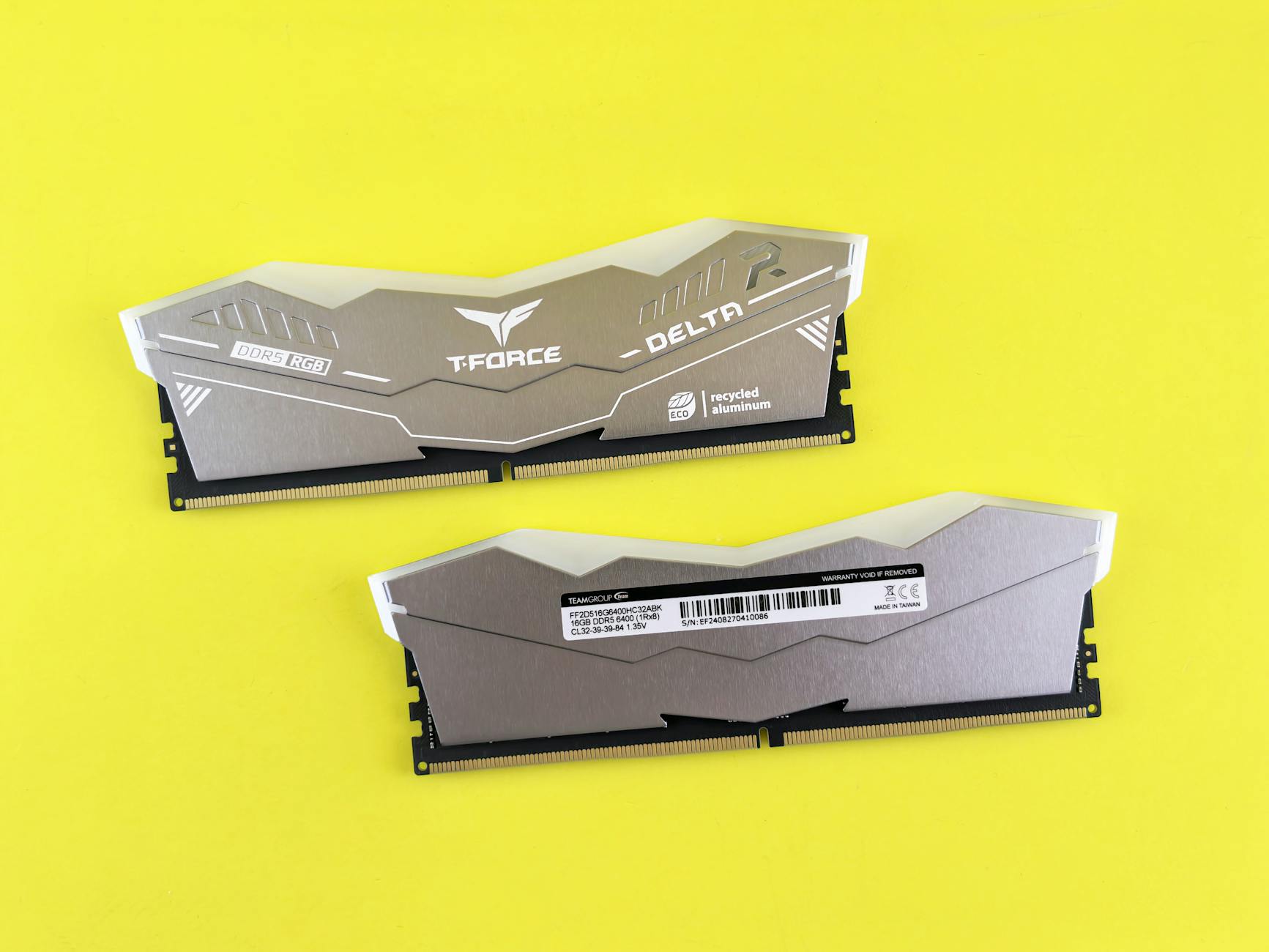
Key details of Micron's strategy include a continued commitment to supplying 16GB DDR4 modules at $90 per module, a price point that reflects the current market conditions. The company also plans to expand its portfolio with 32GB DDR5 modules priced at $270, catering to next-generation platforms that require higher memory capacity and bandwidth. These moves suggest Micron is positioning itself to lead in both consumer and professional segments, though whether this will translate into broader availability remains uncertain.
The impact of this shift on the market is still unfolding. On one hand, consolidating brands could reduce complexity for manufacturers and potentially lower costs through economies of scale. On the other, it risks alienating consumers who have long associated Crucial with performance and trustworthiness. Whether Micron can successfully rebrand its offerings without losing ground to competitors—or worse, deepening existing shortages—will be a critical test of its strategy in the months ahead.
As the industry continues to evolve, Micron's decision serves as a microcosm of broader challenges facing tech companies: balancing innovation with accessibility, efficiency with consumer trust. The outcome will not only shape Micron's trajectory but also influence the entire RAM market, setting the stage for a period of significant transformation.