The cost of building high-performance computers just got significantly more expensive. In South Korea, the price of DRAM and NAND chips has surged to levels not seen in recent years, with SSDs jumping 63% higher than last month alone. Memory modules are up 29%, while HBM stacks have risen 19%. This isn’t a one-off fluctuation—it’s a sustained upward pressure that is already reshaping how businesses approach hardware design and procurement.
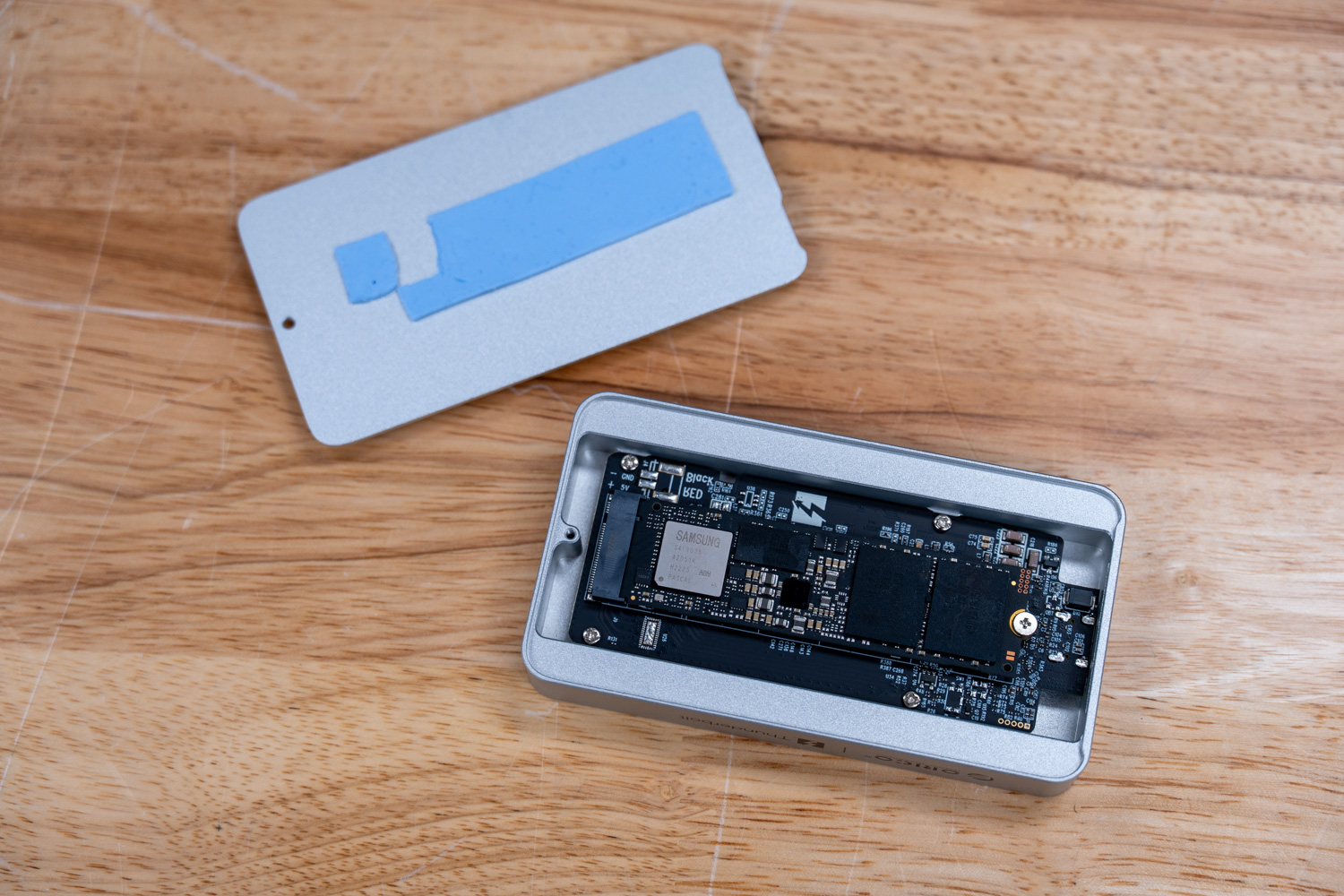
For small businesses, the impact is immediate. The sudden spike in SSD costs means that storage capacity, once a budget-friendly upgrade path, now requires careful cost-benefit analysis. A 1TB SSD that might have cost $80 last month could now be closer to $130—without any improvement in raw performance. Similarly, memory modules, the backbone of modern workstations and servers, have become a major line-item expense. The shift isn’t just about sticker shock; it’s about rethinking system architecture.
What people might expect is that this price surge will lead to across-the-board increases in retail prices for laptops, desktops, and data centers. While that’s true, the reality is more nuanced. Manufacturers are not uniformly passing on these costs. Instead, they’re prioritizing where to absorb the hit—often at the component level rather than the final consumer price. This means that while SSDs and memory modules become pricier, other components like CPUs or GPUs might see less dramatic changes, depending on supply chain dynamics.
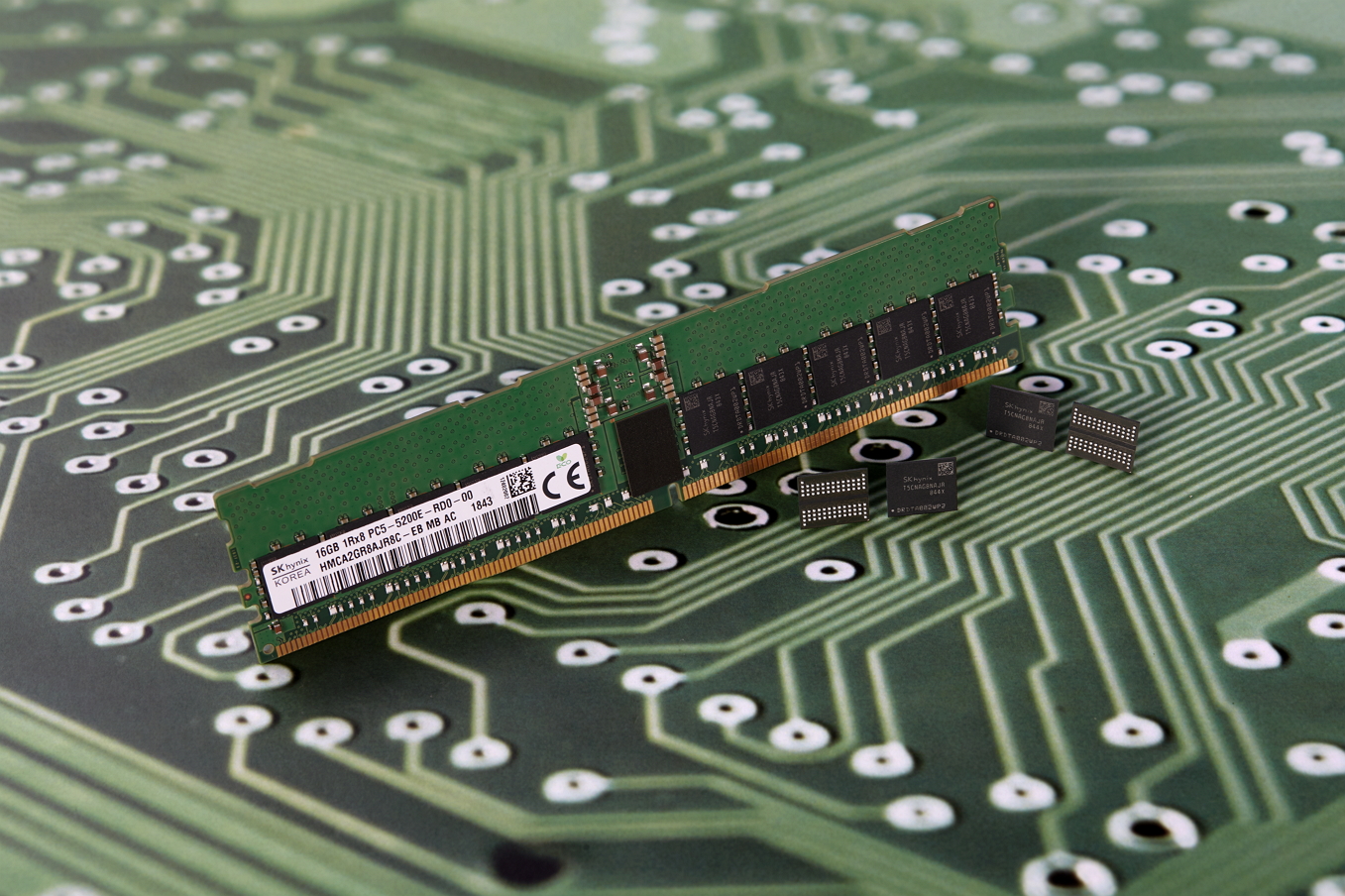
For businesses relying on in-house storage solutions or workstation fleets, the implications are clear: budget allocations for hardware refreshes need to be recalibrated. The days of treating storage as a low-cost commodity are over. Even high-bandwidth memory (HBM), critical for AI and HPC workloads, has become less predictable in pricing, adding another layer of complexity to procurement strategies. The trend isn’t just about cost—it’s about the speed at which these changes are happening. What was once a stable market is now volatile, forcing businesses to adapt quickly or risk falling behind.
The next few months will be critical. If this upward trajectory continues, we’ll see a shift in how hardware is designed—not just in terms of performance, but in how manufacturers balance cost, capacity, and efficiency. For small businesses, the key will be monitoring these trends without overreacting. The goal isn’t to panic-buy or lock into long-term contracts; it’s to understand that the rules of engagement have changed and adjust accordingly.