RCS messaging has introduced end-to-end encryption by default, aligning its security model with Apple’s iMessage for the first time. The change, effective on iOS 26.5 and supported Android devices, adds a lock icon to RCS conversations when encryption is engaged, providing users with a visual indicator that messages are protected during transit.
Google and Apple collaborated on this update, which automatically enables encryption without user intervention for all new and existing RCS chats. The feature does not apply to iMessage but extends Apple’s privacy-focused approach to the broader messaging standard used by Android devices. Unlike previous implementations, RCS now matches the security baseline set by iMessage, reducing the risk of message interception in cross-platform communications.
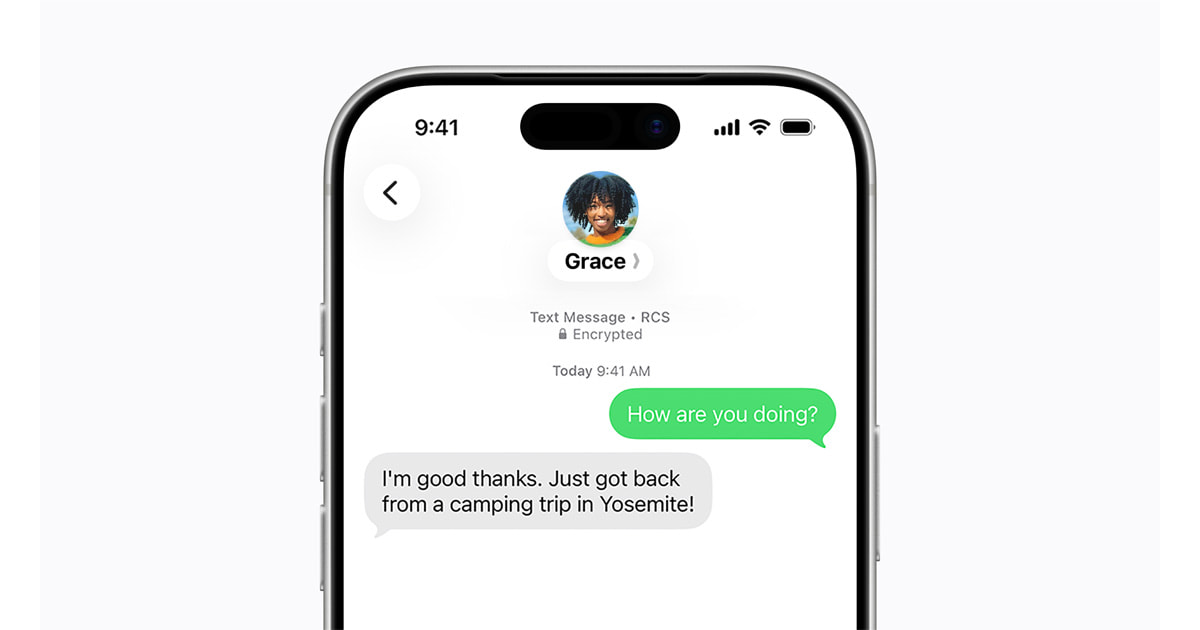
- Encryption is active by default when both participants use supported devices (iPhone running iOS 26.5 or later, or Android with Google Messages).
- Adoption will depend on carrier support and regional availability, which may vary significantly.
- Users on older iOS versions or unsupported Android builds are currently excluded from the feature.
The rollout could accelerate RCS adoption as a replacement for SMS, addressing one of its longstanding limitations. While iMessage remains the preferred option within Apple’s ecosystem—offering additional features like group conversation encryption and shared media without compromising security—the extension to RCS levels the playing field for users who switch between devices.
Organizations managing device fleets will need to monitor carrier partnerships and software updates to ensure consistent deployment. IT teams may face delays in regions with limited or inconsistent carrier support, potentially leading to fragmented encryption coverage even after the rollout completes.
The beta phase suggests that stability and performance may improve as more users test the feature. If adoption proceeds without major issues, RCS with end-to-end encryption could establish itself as the new standard for secure cross-platform messaging, finally aligning with the privacy expectations set by Apple’s iMessage.