Intel’s Razor Lake-AX processor is set to mark a significant milestone in on-package memory integration, potentially altering the dynamics of high-performance computing by 2028. While AMD has already made progress with its Medusa Halo architecture, Intel’s approach may offer a more streamlined path to efficiency without compromising performance.
The processor will utilize LPDDR6 memory, known for its low power consumption and high bandwidth capabilities. This transition from traditional off-package designs could help mitigate some of the latency issues that have affected multi-core processors in recent years. However, whether these improvements will translate into tangible benefits for everyday users is still unclear.
Balancing Performance and Efficiency
The core focus of Razor Lake-AX lies in its ability to balance performance and efficiency effectively. By embedding memory directly onto the package, Intel aims to reduce latency and power consumption—key factors in modern computing. This isn’t just about speed; it’s about creating systems that can handle sustained workloads without overheating or draining batteries.
Competitive Considerations
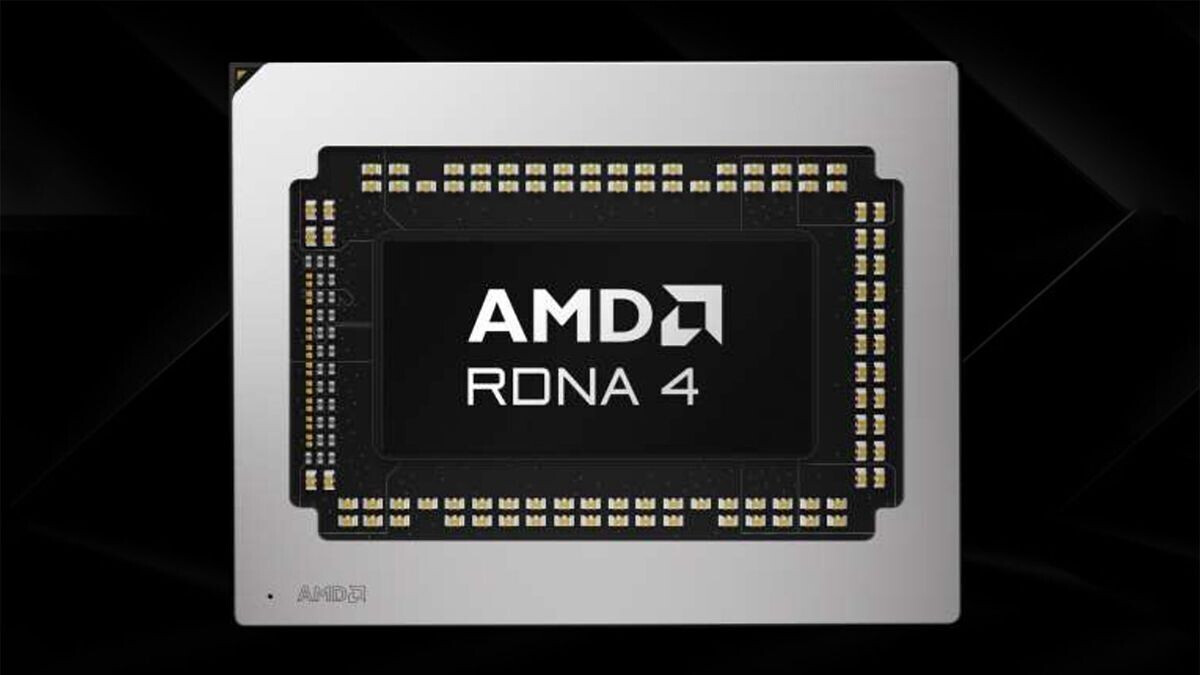
AMD’s Medusa Halo architecture has already demonstrated strong potential, particularly in data center and AI applications. Intel’s move to on-package memory with Razor Lake-AX could be a direct response to this competition, but it also introduces new challenges. For example, the thermal design power (TDP) of this processor is expected to be higher than previous generations, which may pose difficulties in heat management for smaller devices.
Future Outlook
The true impact of Razor Lake-AX will only become clear once benchmarks are released and real-world performance data is available. If Intel executes this transition successfully, it could establish a new benchmark for on-package memory integration. However, if execution falls short, the processor may struggle to keep pace with AMD’s aggressive roadmap.
For now, attention remains on what Razor Lake-AX can achieve—not only in raw performance metrics but also in how it redefines the balance between performance and efficiency for future generations of processors. The industry will be watching closely as this technology takes shape.