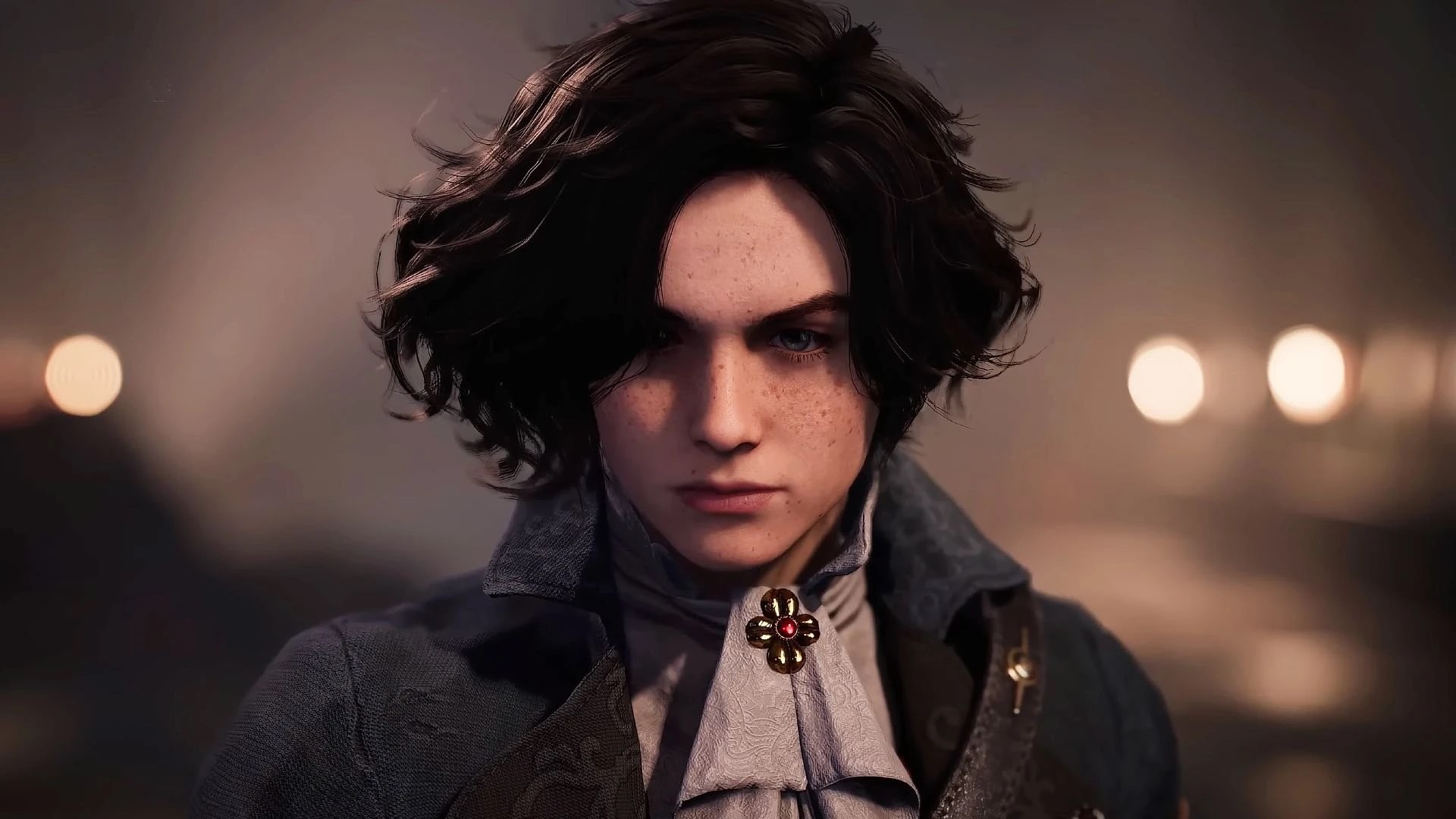
The video game industry is quietly undergoing a transformation, with one studio taking a bold step toward integrating artificial intelligence into its creative pipeline. Lies of P Studio has announced an opening for an 'AI Creator' role, signaling a shift in how studios approach art production—balancing speed and quality while navigating the challenges of AI-assisted workflows.
This isn't just about adopting new software; it's about redefining the boundaries of creativity. The position suggests that the studio is exploring generative AI not as a replacement for human artists, but as a tool to accelerate production without compromising artistic integrity. For creators in the industry, this raises questions: How much can AI streamline workflows? What are the tradeoffs in quality and control? And what does this mean for the future of game development?
What’s Changing
The role itself is a departure from traditional art positions. The 'AI Creator' will work with generative AI tools to produce assets, textures, or concept art—tasks that historically required significant time and manual effort. The studio emphasizes that the position is not about replacing human creativity but about augmenting it. This approach mirrors broader trends in industries like film and design, where AI is being used to handle repetitive tasks while artists focus on higher-level creative decisions.
The key detail here is the balance between efficiency and control. Generative AI can generate variations of art styles or textures in seconds, but fine-tuning those outputs to match a studio's aesthetic requires human oversight. The challenge will be determining how much of that oversight is necessary—and whether the speed gains justify the potential loss in precision.
Why It Matters
For creators, this announcement is a sign of things to come. Studios are increasingly turning to AI not out of necessity, but because it offers tangible benefits: faster iterations, reduced manual labor, and the ability to explore more creative possibilities in less time. However, that’s the upside—here’s the catch. AI tools are only as good as their training data and the guidance they receive. A studio can generate thousands of variations quickly, but ensuring those variations align with a cohesive vision demands expertise.
This role also reflects a growing tension in the industry: how to integrate AI without losing the human touch that defines games like Lies of P's 'Transistor' or 'Aion.' The studio’s approach suggests it’s prioritizing quality over speed, but the long-term impact remains to be seen. Will other studios follow suit? Or will this remain an exception in a landscape still cautious about AI?
What to Watch
The next few months will likely bring more clarity. If successful, this role could become a blueprint for how other studios adopt AI in their pipelines. The focus will be on whether the studio can maintain its signature style while leveraging AI for efficiency. For creators, the takeaway is clear: the tools are changing, but the creative process—and the human element behind it—will always be at the core.