In the world of game development, milestones often come in the form of impressive sales figures or groundbreaking technological advancements. However, one recent development stands out not just for its monetary value but for the narrative it unfolds about collaboration, commitment, and the future of gaming.
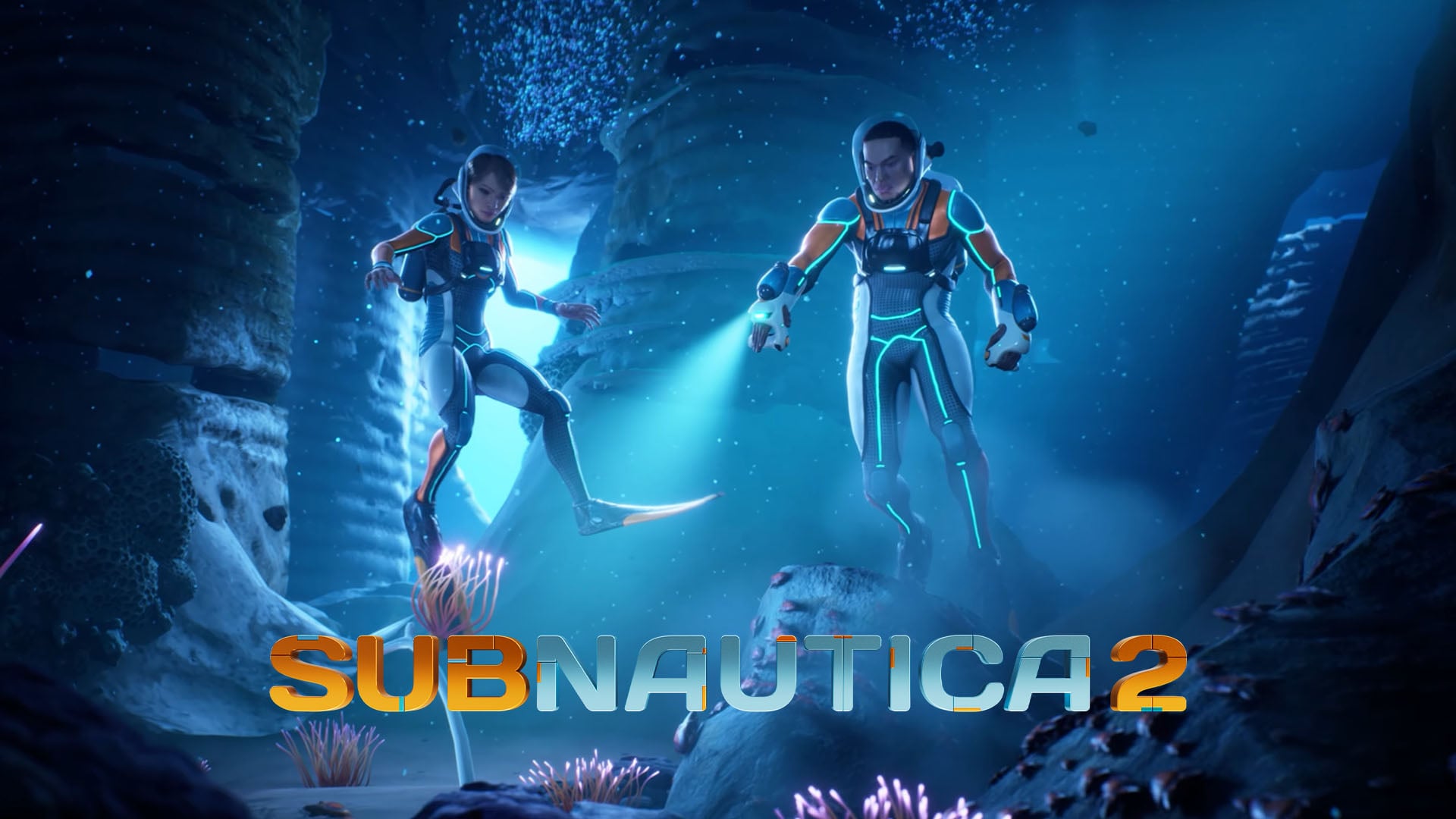
The announcement that Krafton has agreed to pay a $250 million bonus to Unknown Worlds, following the success of Subnautica 2, marks a significant moment. This financial promise, tied to the performance of the game, is not just about reward but also about redefining partnerships in the industry.
Why the Bonus Matters
The $250 million bonus is a direct result of Subnautica 2's success, which has set new benchmarks for underwater survival games. This financial commitment reflects more than just revenue; it signifies Krafton's strategic investment in Unknown Worlds' future projects and its confidence in the studio's ability to deliver innovative and successful titles.
For IT teams involved in game development, this development raises important questions about how such partnerships can be structured, what lessons can be learned from this agreement, and how it might influence future collaborations. The bonus is not just a reward for past success but also an incentive for continued innovation and risk-taking in game design.
Implications for Future Projects
The financial commitment from Krafton to Unknown Worlds is likely to have ripple effects across the industry. It sets a precedent for how studios can collaborate on high-profile projects, with clear financial incentives tied to performance. This model could encourage more risk-taking in game development, as studios are rewarded not just for their creativity but also for their ability to execute and deliver successful titles.
For IT teams, this means rethinking how they approach partnerships and collaborations. It's no longer enough to rely solely on creative vision; there must be a strong emphasis on execution, performance metrics, and financial accountability. This shift could lead to more structured and data-driven approaches to game development, where success is measured not just in sales but also in the ability to meet predefined milestones.
What to Watch
The next steps will be critical in determining how this partnership evolves and what it means for the future of game development. IT teams should keep an eye on how Krafton and Unknown Worlds structure their collaborations moving forward, particularly in terms of financial incentives, performance metrics, and the integration of new technologies. This agreement could very well set the stage for a new era of partnerships in the gaming industry, one that is built on mutual trust, clear goals, and shared success.