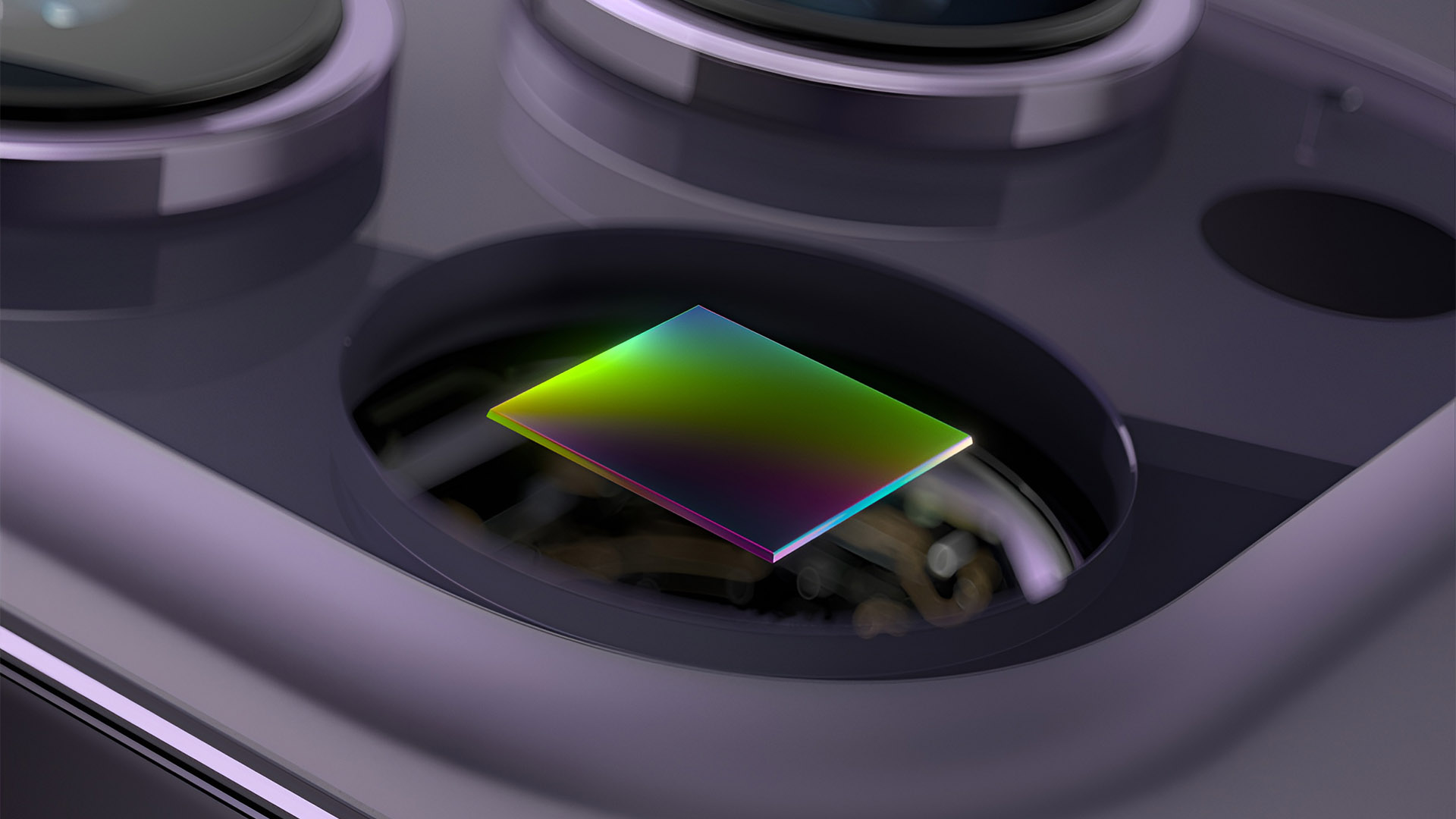
A larger sensor has surfaced in testing for an upcoming iPhone’s ultrawide-angle camera module, hinting at a subtle but meaningful upgrade to the way these devices capture wide shots.
This change—combined with rumors of enhanced stabilization in the same lens—suggests Apple is doubling down on computational photography. If confirmed, it would mark a departure from recent stability, where sensor size remained consistent across generations. The move could improve low-light performance and dynamic range, two areas where wide-angle lenses often lag behind their telephoto counterparts.
Stability in the frame
Optical image stabilization (OIS) has become a hallmark of iPhone cameras, but its application in ultrawide-angle modules has historically been less pronounced. A larger sensor would theoretically allow for more aggressive OIS tuning without sacrificing resolution or field of view. This could translate to smoother handheld shots and reduced blur in fast-moving scenes—critical for users who prioritize wide-angle versatility over pure megapixel counts.
Performance tradeoffs
Larger sensors typically demand more power, so Apple may need to balance battery life with performance. Previous iPhones have managed this by optimizing software algorithms, but the extent of those gains remains unclear without seeing the final implementation. Enterprise buyers, in particular, will want to weigh whether the stability improvements justify the potential tradeoff in runtime or cost.
Broader implications
This rumored upgrade comes at a time when smartphone camera technology is increasingly being driven by AI-assisted features and sensor advancements. If Apple follows through, it would align with broader industry trends toward more capable wide-angle modules, potentially setting a new benchmark for computational photography in flagship devices.
- Sensor size: Estimated increase (exact dimensions not confirmed)
- Stabilization: Upgraded OIS for ultrawide-angle module
- Potential tradeoffs: Battery life, cost, or software optimization needed
The changes, if they materialize, would likely appear in a future iPhone model slated for release in late 2024. Availability and pricing remain unconfirmed.