Intel’s upcoming Wildcat Lake series is poised to redefine power efficiency in mobile and light workload devices, but a newly surfaced benchmark of the Core 3-304 processor offers an early glimpse into its architecture—and it doesn’t follow expectations.
The Core 3-304, which appears on a well-known benchmarking platform, presents itself with an unusual 1+4 core setup (5 cores, 5 threads), deviating from the anticipated 2+4 configuration. This discrepancy suggests that one performance core may have been disabled during testing, though it remains unclear whether this is an engineering sample artifact or a final design choice. What’s certain is that the chip delivers substantial performance gains over its immediate predecessors, with benchmarks showing nearly 86% improvement in single-core performance and nearly 49% in multi-core compared to the Intel Core i3 N300.
The processor’s base clock sits at 1.5 GHz, but it can boost up to 4.3 GHz—a notable increase over Alder Lake-N and Twin Lake chips, which max out around 3.8 GHz. This performance leap is particularly striking given the chip’s power constraints: Wildcat Lake is rumored to operate within a 9-15W TDP range, up from the 6-7W typical of its predecessors. Whether this higher TDP translates into tangible real-world efficiency remains an open question, but the raw numbers suggest a significant generational step forward.
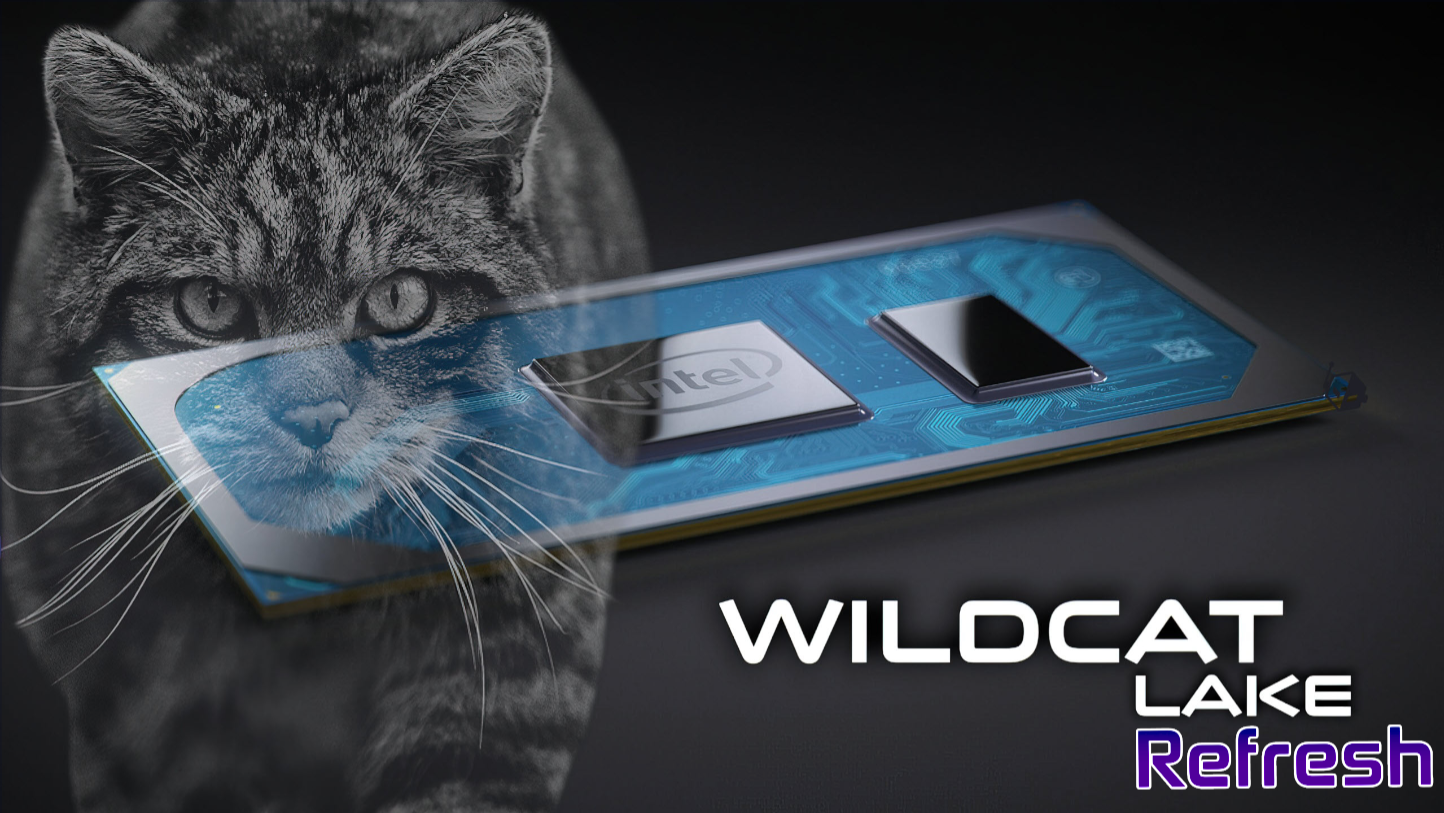
Wildcat Lake’s architecture builds on Intel’s established hybrid approach, combining Cougar Cove performance cores and Darkmont efficiency cores, but with potential refinements that could set it apart. The chip also appears to retain Intel UHD graphics, though details on GPU performance are still scarce. If the 1+4 core configuration is intentional, it may indicate a focus on balancing single-threaded responsiveness with sustained multi-tasking—something that could appeal to budget-conscious users and light-duty creators.
The Core 3-304’s emergence adds weight to speculation about Wildcat Lake’s timeline. While Intel has yet to confirm an official launch date, leaks suggest the series could arrive in early 2026, potentially replacing Alder Lake-N and Twin Lake chips in ultra-power-efficient devices. For PC builders and power-conscious users, this could mean a new tier of processors that deliver more performance without sacrificing battery life—a critical balance for thin-and-light laptops and compact desktops.
Availability and pricing remain unconfirmed, but the Core 3-304’s benchmark performance suggests it may target the lower end of Intel’s lineup, competing with chips like the Core i3 N300 while offering a more modern feature set. Whether this translates into tangible improvements for real-world workloads—from office productivity to light content creation—will depend on how Intel optimizes both hardware and software for this platform.