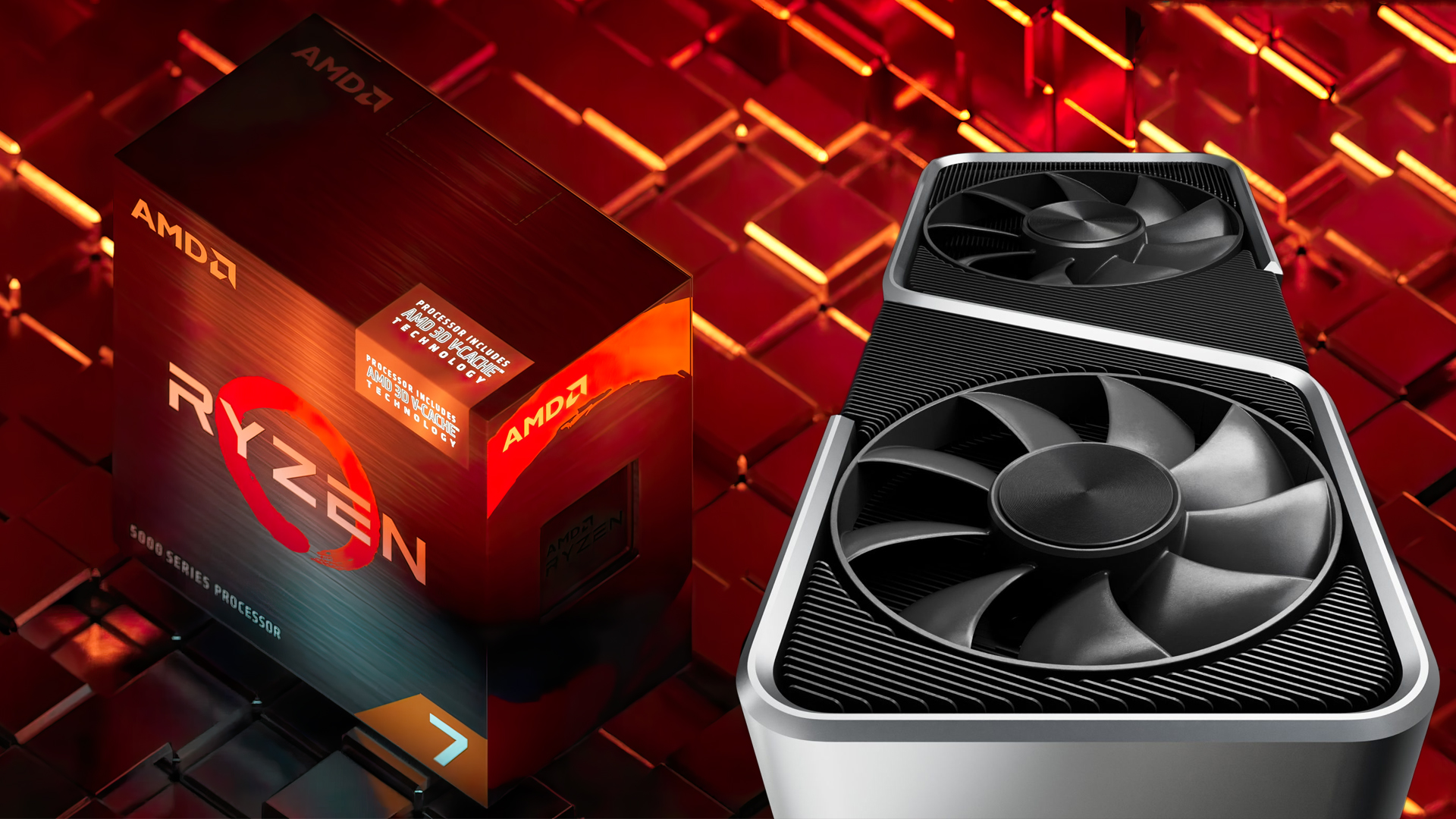
AMD's latest desktop processor doesn't just add cache—it redefines what a flagship CPU can be. The new Ryzen 9 9950X3D2 Dual Edition isn't just an incremental upgrade; it's a radical departure from previous designs, stacking 192MB of L3 cache across two CCDs with 3D V-Cache technology. But with a 200W TDP and Zen 5 architecture, this chip is asking power users to rethink the cost-performance equation.
Where past generations balanced efficiency and performance, this processor leans hard on raw capability. The 16-core/32-thread design isn't just about gaming anymore—it's a productivity monster for AI training, large-dataset processing, and video production. AMD claims single-digit percentage gains over its previous 9950X3D in these workloads, but the question remains: is this the kind of performance that justifies the premium?
Key Specifications
- Architecture: Zen 5
- Cores/Threads: 16-core / 32-thread
- Cache: 192MB total (32MB L3 + 64MB 3D V-Cache per CCD)
- Process Node: 3nm IOD, 2nm CCDs
- Clock Speeds: Up to 5.6GHz boost
- TDP: 200W (highest in AMD's lineup)
The 192MB cache is the headline feature, but the real innovation lies in how it's distributed. Unlike previous 3D V-Cache implementations that focused on a single CCD, this processor applies the technology to both CCDs, ensuring contiguous memory access no matter where workloads land. That matters for AI and large-dataset tasks, where cache locality can mean the difference between efficient processing and bottlenecking.
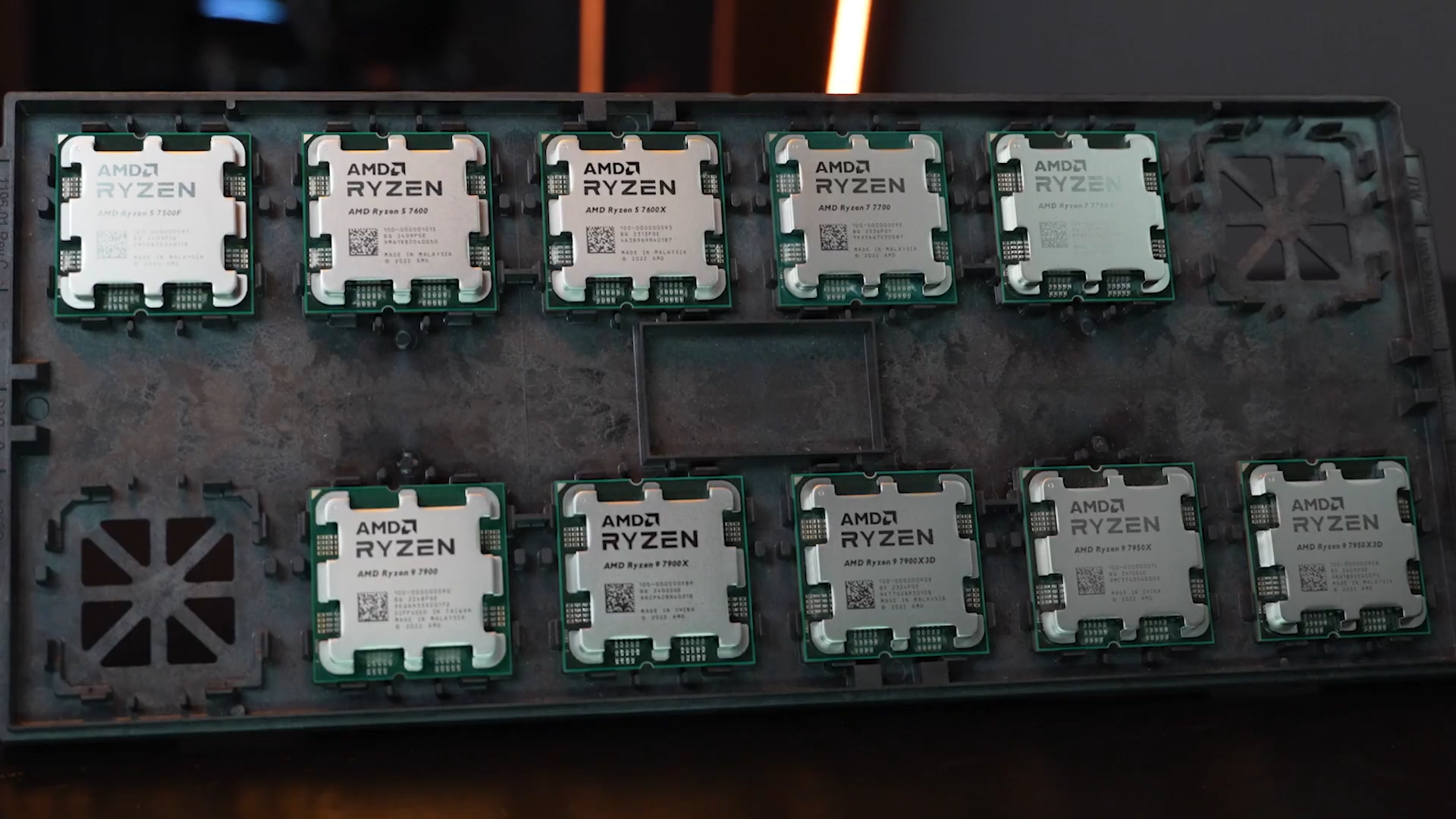
Performance and Tradeoffs
AMD is positioning this as a dual-purpose chip: a gaming beast and a productivity workhorse. The 5.6GHz boost clock suggests overclocking potential remains intact, but the 200W TDP means cooling demands will be extreme. For power users already running high-end setups, this could be a natural upgrade path—but for those on tighter budgets or with less robust cooling, the cost may not be justified.
The bigger question is whether this level of cache actually translates to meaningful gains in real-world scenarios. While AMD's benchmarks show improvements, the true test will be how developers and content creators adopt these changes. If the 9950X3D2 becomes a niche product for specialized workloads rather than a broad-market upgrade, its long-term value could be debated.
What's Confirmed (and What Isn't)
This processor is confirmed to exist with the specs listed above. However, pricing and availability remain unannounced, leaving power users in a holding pattern. If AMD follows its usual release cadence, we may see this chip hit shelves within the next few months—but without concrete timelines or price points, it's hard to gauge whether this is an immediate priority or a long-term investment.
For now, the 9950X3D2 Dual Edition stands as AMD's most aggressive desktop offering yet. It's a technical achievement, but like all high-end hardware, its real-world impact will depend on how well it balances performance, cost, and practicality. Until those answers come to light, this remains a chip that excites in theory but waits for proof in practice.