The Geekom IT13 mini PC has dropped to an all-time low price of $569—a deal that promises a full desktop experience in a space-saving form factor. But whether it delivers real-world benefits or simply repackages existing capabilities is worth examining closely.
At first glance, the IT13 appears to be a straightforward upgrade: more power, smaller footprint, and a price tag that undercuts competitors. The reality, however, requires a deeper look at what’s actually changing under the hood—and where the savings might not translate into tangible performance gains for PC builders.
What People Might Expect
When a mini PC breaks below $600, the natural assumption is that it’s packing in as much performance as possible without the premium price. The IT13 is no exception, with claims of a 14th Gen Intel Core i7-14800H processor, up to 32GB DDR5 RAM, and a 1TB NVMe SSD—all crammed into a chassis just 6.9 x 6.9 x 2.7 inches. The promise is clear: a full desktop replacement that fits on a shelf or under a monitor.
But the devil lies in the details. While the processor and RAM specs are impressive, the real-world impact depends on how those components are thermally managed in such a compact space. Mini PCs often struggle with sustained performance under heavy workloads due to limited cooling solutions, so the IT13’s ability to maintain clock speeds without throttling will be critical for builders who rely on stability.
What’s Actually Changing
The IT13’s price drop isn’t just about slashing costs—it’s also a response to shifting demand for compact, power-efficient systems. The previous generation of mini PCs often prioritized size over performance, but the IT13 aims to bridge that gap by offering a more balanced approach.

- Processor: 14th Gen Intel Core i7-14800H (up from i5 in earlier models), with support for up to 32GB DDR5 RAM and a 1TB NVMe SSD. This is a notable leap, but the real question is whether the thermal design can handle sustained loads without degradation.
- Ports: A full complement of USB-C, HDMI 2.0, DisplayPort 1.4, and Thunderbolt 4 ensures connectivity isn’t an afterthought, though real-world bandwidth will depend on the implementation.
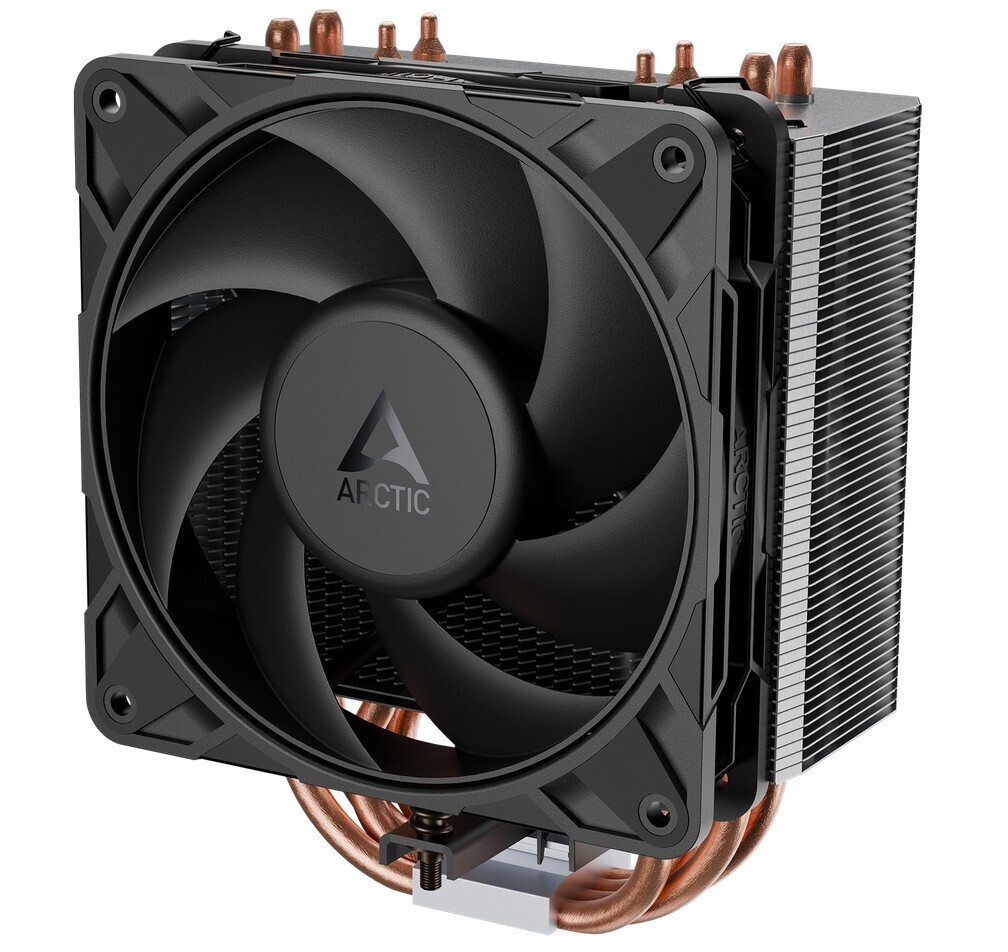
- Cooling: The IT13 uses a dual-fan layout with heat pipes, which is standard for mini PCs but may not be enough for extended gaming or rendering sessions. Builders should weigh whether the compact form factor justifies potential thermal trade-offs.
The price cut also reflects a broader trend in the market: consumers are increasingly prioritizing value over raw specifications. The IT13’s $569 price tag is competitive, but whether it offers enough of an edge to justify its cost over alternatives remains an open question.
What It Means Now
The IT13 isn’t just a mini PC—it’s a test case for how far the form factor can go while still delivering meaningful performance. For builders, the key will be balancing the allure of compactness with the practical limitations of thermal management and real-world workloads.
Looking ahead, the next few months will reveal whether the IT13’s price holds or if further discounts are on the horizon. If demand remains strong, we may see more aggressive pricing from competitors, pushing the boundaries of what a sub-$600 mini PC can deliver. But for now, the IT13 stands as a reminder that performance isn’t just about specs—it’s about how those specs translate into real-world use.