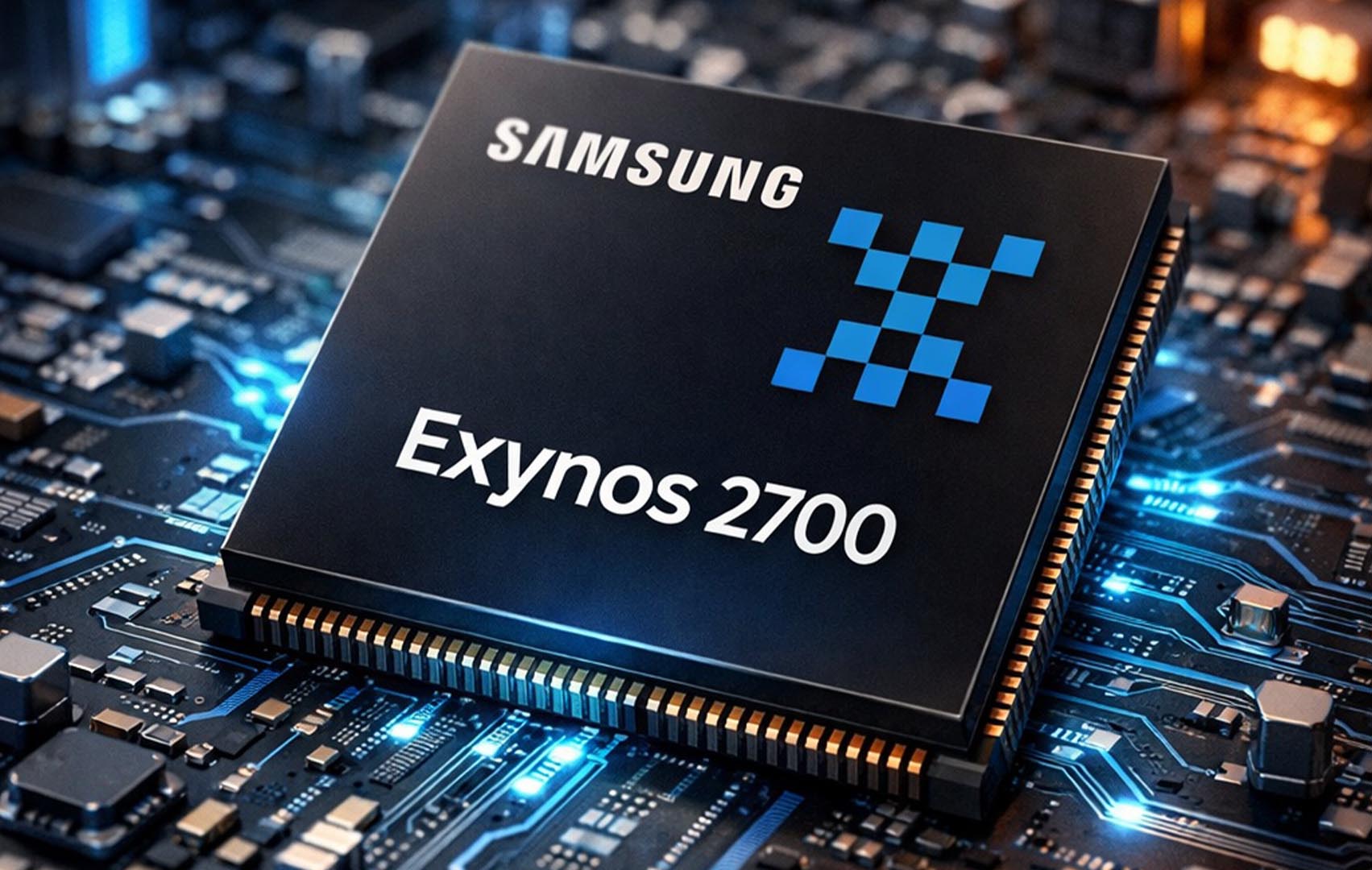
Samsung's strategy with the Exynos 2700 is a calculated gamble on efficiency over volume. Unlike Qualcomm's Snapdragon 8 Elite Gen 6 Pro variants, which offer six distinct configurations to cater to performance and power needs, Samsung's latest chip is designed for thermal precision. This approach appeals to power users who prioritize heat management over raw performance, but the reported 60% yield rate suggests a cautious rollout.
Qualcomm's Snapdragon variants have set the benchmark for flexibility this year, with CPU clock speeds ranging from 2.9 GHz in power-efficient models to 3.4 GHz in top-tier configurations. This diversity allows OEMs to tailor devices for specific use cases—whether it's sustained gaming performance or extended battery life. The Snapdragon 8 Elite Gen 6 Pro also supports LPDDR5X memory at up to 3200 MHz, with RAM configurations scaling from 8GB to 16GB, ensuring smooth multitasking and high-bandwidth applications.
In contrast, the Exynos 2700 focuses on integration and thermal behavior. Built on a 4nm process, it features a CPU with clock speeds up to 3.1 GHz, alongside integrated LTE and 5G modems. However, its lower yield rate implies that Samsung may be prioritizing performance optimization over mass production initially. This could position the Exynos 2700 as a niche player in markets where thermal efficiency is critical, such as premium devices or those targeting prolonged usage scenarios.
Key Advanced Details
- Snapdragon 8 Elite Gen 6 Pro variants offer adaptive CPU/GPU clocking and AI-driven thermal throttling for extended battery life without sacrificing performance.
- The Exynos 2700's 4nm process and integrated modems aim to reduce power consumption, but yield challenges may limit its immediate market penetration.
- Qualcomm's Adreno GPU in the Snapdragon variants includes advanced ray tracing and AI acceleration, catering to high-end gaming and multimedia demands.
The limitations of the Exynos 2700 are clear: its lower yield rate could restrict availability, and its performance may not match Qualcomm's top-tier offerings. However, Samsung's focus on thermal efficiency could carve out a space in segments where heat management is non-negotiable. For power users, this means a choice between Qualcomm's raw performance and Samsung's integrated efficiency—each with trade-offs.
Wrap
Qualcomm remains the dominant force in flagship smartphone chips, with its Snapdragon 8 Elite Gen 6 Pro variants offering unmatched flexibility and performance. Samsung's Exynos 2700, while promising in terms of efficiency, is likely to remain a secondary option for now. Its long-term success hinges on whether Samsung can address yield challenges while maintaining competitive performance. For enthusiasts, the battle between these chips isn't just about speed—it's about balancing thermal behavior, power consumption, and raw capability.