Resident Evil 5 is a cornerstone of survival-horror gaming, yet Capcom’s stance on remaking it—despite its legacy—hints at deeper industry shifts. The game’s original release in 2004 set benchmarks for storytelling, action mechanics, and environmental design that still hold weight today. But the question isn’t just about whether a remake would be good; it’s about why Capcom might resist now, and what changing market dynamics could mean for its future.
The game’s original run on PlayStation 2 introduced Chris Redfield and Sheva Alomar as iconic protagonists, blending over-the-top action with a narrative that balanced humor and horror. Its success wasn’t just in sales—it redefined how survival-horror games could evolve without losing their core identity. Yet, Capcom’s reluctance to revisit it suggests a broader trend: the cost of remaking legacy titles is rising, while the demand for modernized experiences is shifting.
What stands out isn’t just the game’s technical achievements—like its AI-driven enemy behavior or its dynamic lighting—but how it balanced action and narrative in a way that felt fresh at the time. A remake today would need to address those same elements, but with updated expectations for graphics, physics, and player agency. The original’s combat was groundbreaking, but modern players expect even more fluidity, depth, and replayability.
Capcom’s hesitation likely stems from the resource-intensive nature of such projects. Remakes aren’t just about visual upgrades; they require overhauling mechanics, voice acting, and level design to meet contemporary standards. The company has already shown it can modernize older titles—Resident Evil 2’s remake in 2019 proved that—but doing so for a game as complex as RE5 would demand significant investment.
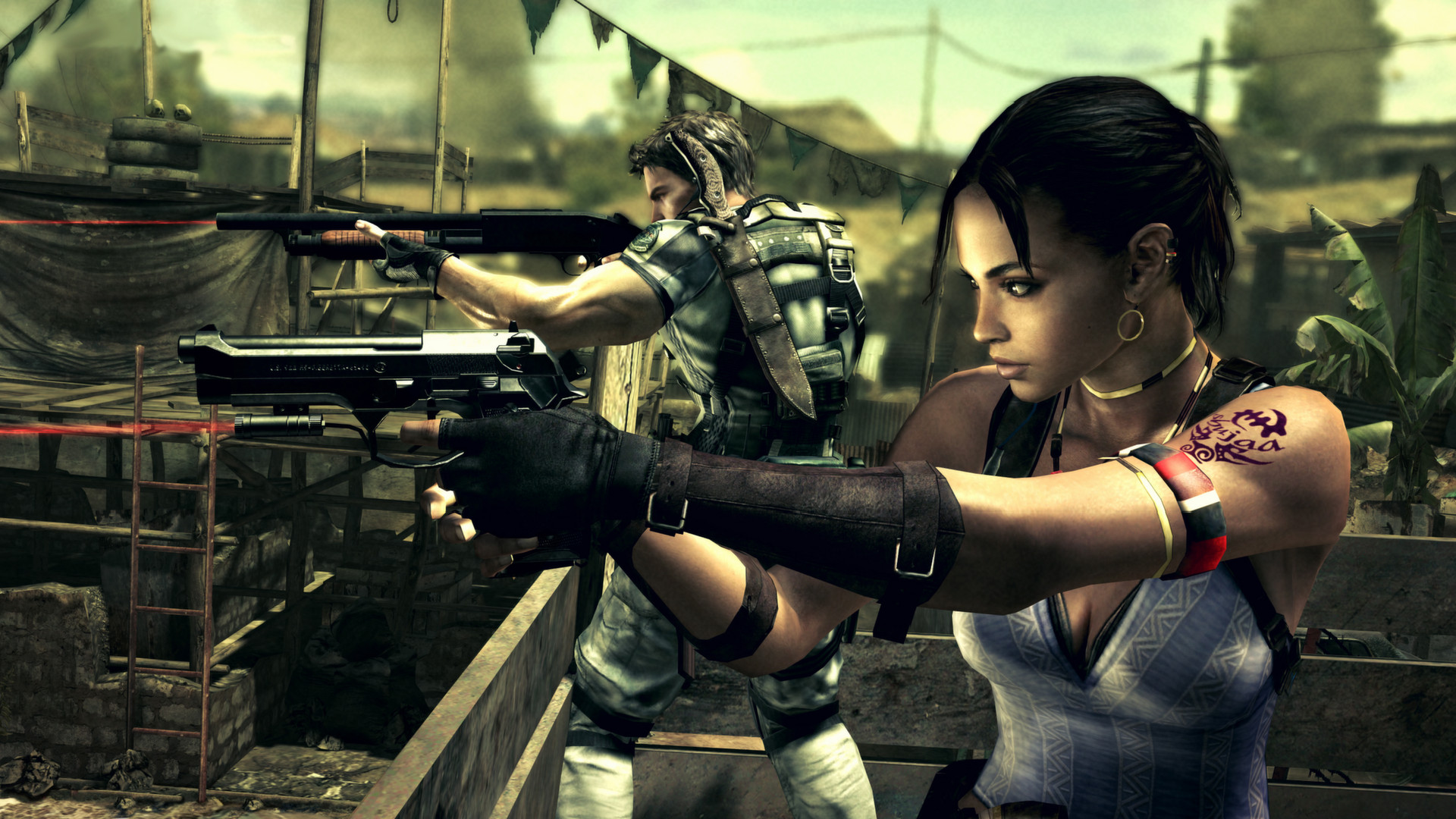
For enthusiasts, the idea of a Resident Evil 5 remake is tantalizing. It could mean revisiting iconic moments with modern graphics, improved controls, and expanded content. But for everyday players, the appeal might be more about nostalgia than necessity. The original RE5 holds up well on its own, and its story remains compelling without needing a full overhaul.
What’s interesting is how this situation reflects broader industry trends. Platform lock-in, licensing costs, and the pressure to deliver multiplatform experiences are making remakes riskier for developers. Capcom isn’t alone in this; other studios face similar challenges when balancing legacy titles with new IP. The question is whether fan demand will outweigh these risks—or if RE5’s story will remain a standalone masterpiece without ever being revisited.
For now, the focus remains on what comes next for Capcom. If a remake were to happen, it would likely need to address not just technical upgrades but also how the game fits into modern survival-horror trends—like open-world elements or more dynamic storytelling. The timing, pricing, and availability of such a project remain uncertain, but one thing is clear: if demand grows, Capcom may find itself at a crossroads between preserving legacy and embracing the future.