AMD is quietly rolling out a significant security upgrade to its Ryzen processor lineup, but the change comes with a catch: it’s locked behind a paywall that only Pro Ryzen chips can unlock.
The tech giant has integrated TSME encryption—a hardware-based feature designed to enhance data protection—into its latest Ryzen processors. However, this isn’t just an incremental update; it represents a shift in how AMD approaches security for different user tiers. While the encryption promises robust safeguards, its availability is tied to the higher-end Pro Ryzen series, leaving consumers with standard chips in the dark.
TSME (Trustworthy Secure Mainstream Encryption) isn’t new, but its implementation here is. It’s a hardware-level security measure that encrypts data at rest and in transit, adding an extra layer of protection for sensitive workloads. This matters most to professionals who handle confidential information, such as developers, enterprise users, or those working with regulated data. But the catch? Only Ryzen Pro chips get this feature out of the box.
- TSME Encryption: Hardware-based security for data at rest and in transit
- Ryzen Pro Exclusive: Standard Ryzen chips lack this feature, even on newer models
- Performance Impact: Minimal overhead reported, but long-term effects remain unclear
The decision to gate TSME behind the Pro series isn’t without precedent in the industry. Intel, for example, has long used similar strategies with its vPro and other enterprise-focused features. But AMD’s approach feels more deliberate, almost as if it’s drawing a line between consumer-grade performance and professional-grade security.
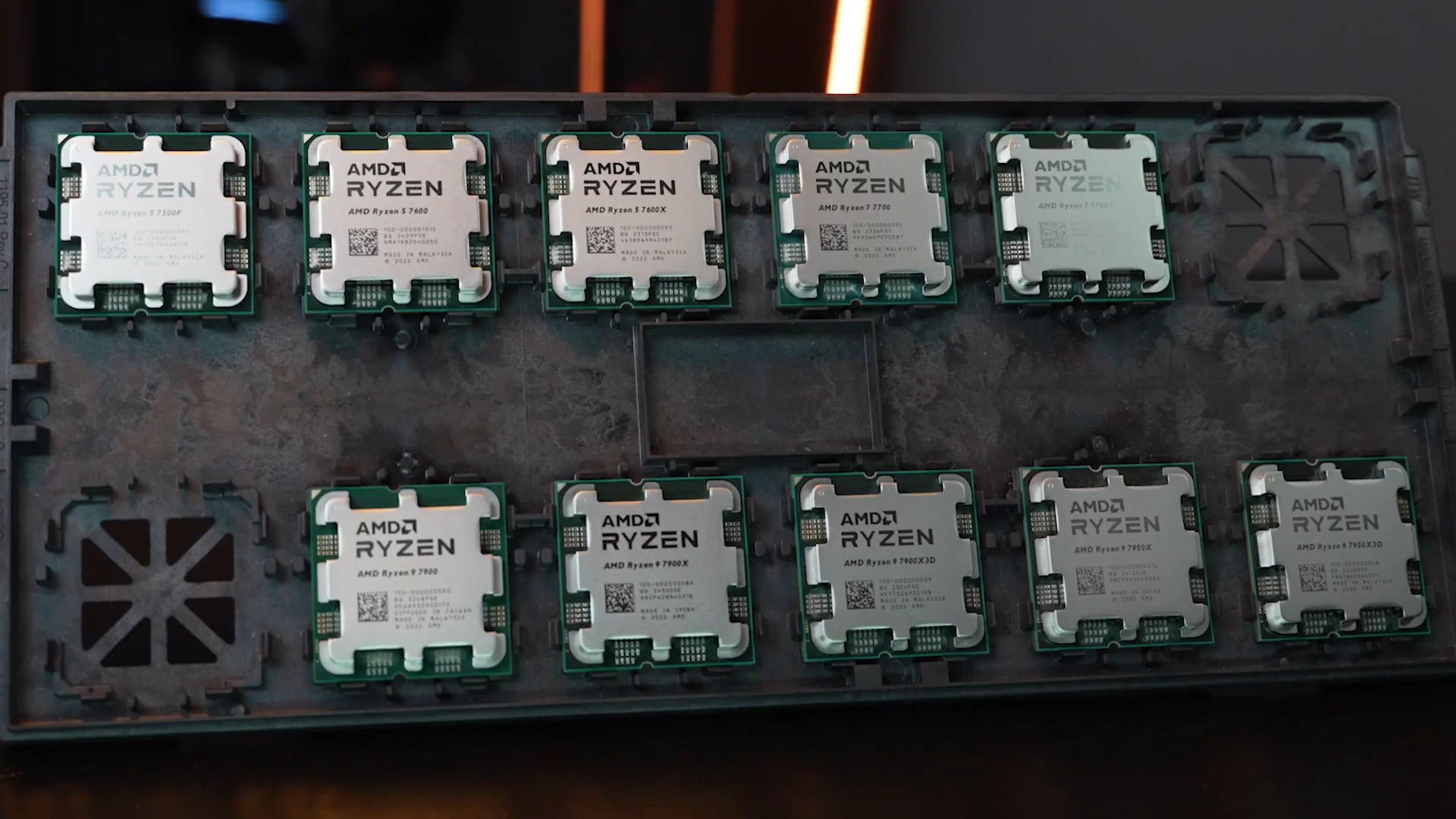
For power users, this could be a game-changer—but only if they’re willing to pay the premium for Ryzen Pro. The encryption itself is designed to add minimal overhead, with AMD claiming near-zero performance impact during benchmarks. That said, real-world usage will determine whether the benefits justify the cost over time.
What’s still unclear? Whether AMD plans to expand TSME beyond the Pro lineup in the future or if this is a permanent division between consumer and professional Ryzen chips. For now, it’s a feature that flies under the radar unless you’re specifically looking for it—and even then, most users won’t know it exists until they dig into their chip’s specifications.
The takeaway? If you’re a power user who prioritizes security without sacrificing performance, Ryzen Pro might just be worth the investment. But if you’re content with standard Ryzen chips, this is another reminder that AMD is quietly segmenting its ecosystem in ways that could reshape how we think about hardware upgrades.