NVIDIA's latest RTX 50 series has set a new benchmark for graphics performance, but it also highlights an emerging problem: counterfeit cards flooding the market. While the official specs promise significant advancements, buyers must now navigate a landscape where fake products—equipped with glued-down plastic GPUs and scrap memory—are being sold as genuine. This article breaks down what is confirmed about the RTX 50 series while addressing the risks of purchasing counterfeit hardware.
At its core, the RTX 50 series represents a generational leap in graphics technology. The architecture introduces a new level of efficiency and power, targeting both gamers and professionals who demand high-performance workloads. However, the introduction of this new lineup has also drawn attention to a darker side of the market: the rise of counterfeit products that mimic legitimate NVIDIA hardware but fail to deliver on performance or reliability.
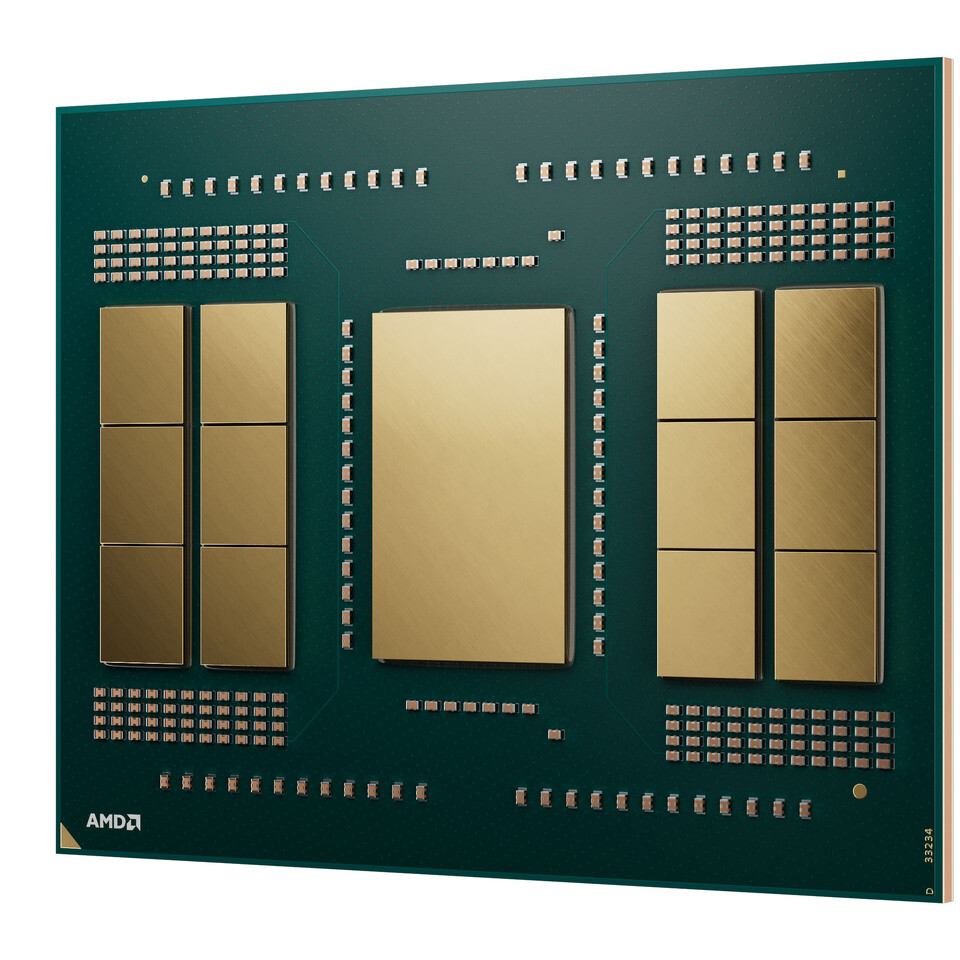
The official specifications for the RTX 50 series focus on key improvements over previous generations. The series is built around an advanced chiplet design, which combines multiple components to enhance performance while reducing power consumption. This approach allows for higher clock speeds and more efficient cooling solutions. For example, the top-tier models in the series feature a memory capacity of up to 24GB GDDR6X, a significant jump from previous generations. Additionally, the RTX 50 series introduces new features such as improved ray tracing capabilities and AI-enhanced upscaling, which are designed to push the boundaries of visual fidelity.
- Chip: Advanced chiplet architecture with higher clock speeds
- Memory: Up to 24GB GDDR6X, optimized for bandwidth and efficiency
- Performance: Significant improvements in ray tracing and AI upscaling
- Power Consumption: Enhanced efficiency with lower power draw at high loads
These advancements are aimed at users who require the best possible performance, whether for gaming, content creation, or professional workloads. However, the introduction of counterfeit products complicates this picture. Reports indicate that some fake RTX 50 cards are being sold with GPUs encased in plastic rather than metal, a clear sign of substandard manufacturing. Additionally, the memory used in these counterfeit cards is often scrap or reclaimed from other sources, leading to significant performance degradation and potential hardware failures.
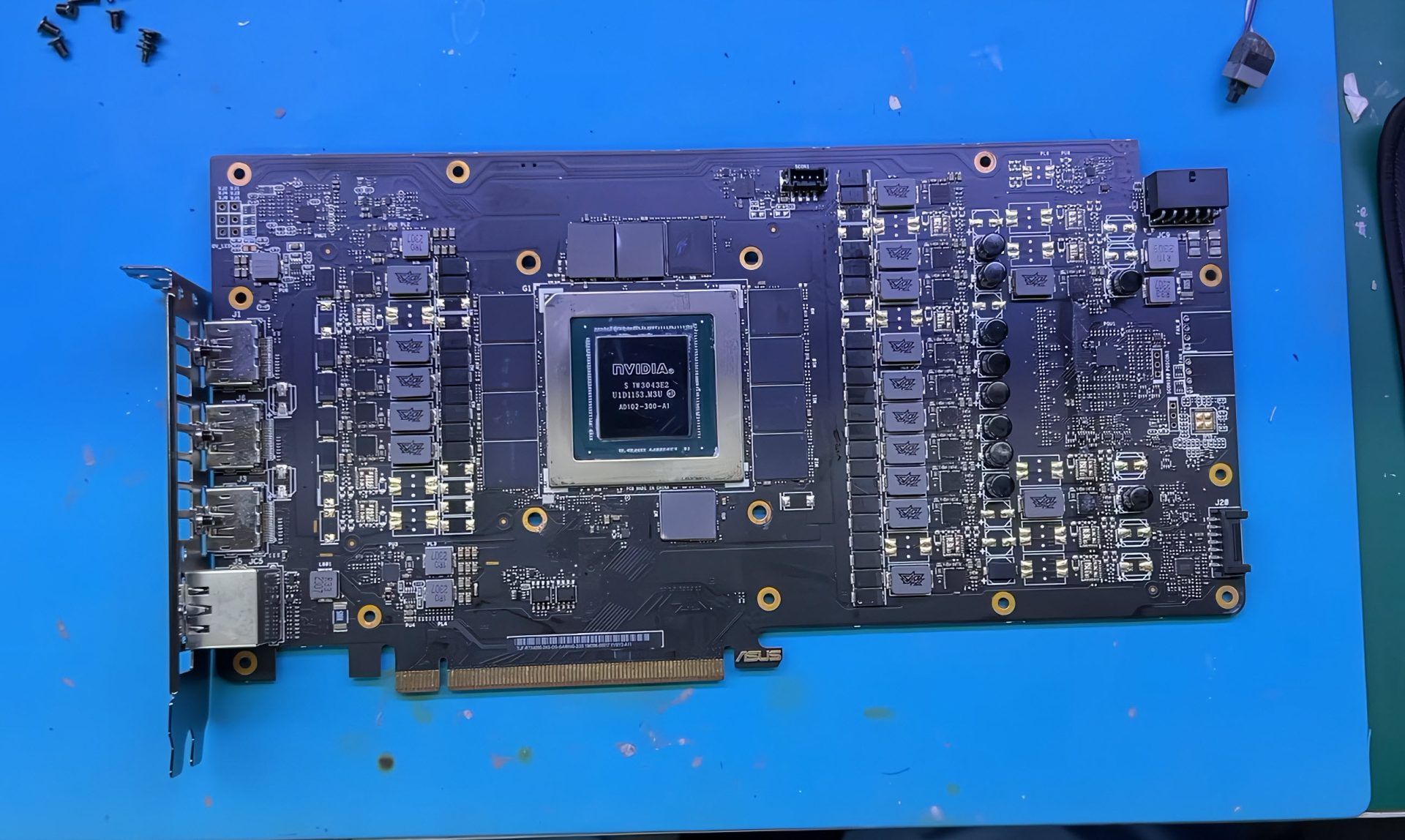
The risk of purchasing counterfeit graphics cards is not limited to performance issues. Buyers also face the threat of security vulnerabilities, as fake hardware may lack the necessary authentication mechanisms to ensure compatibility with NVIDIA's software ecosystem. This can lead to instability, crashes, or even exposure to malicious actors who exploit unpatched vulnerabilities in counterfeit products.
For those looking to invest in the RTX 50 series, the primary concern is no longer just performance but also authenticity. Buyers must verify the source of their purchases and look for official certifications or warranties that guarantee genuine hardware. The market for high-end graphics cards is evolving rapidly, and while the RTX 50 series represents a significant milestone in NVIDIA's roadmap, it also serves as a cautionary tale about the challenges of maintaining trust in an increasingly complex supply chain.
The launch of the RTX 50 series marks a pivotal moment for NVIDIA and its customers. While the official specifications promise a new era of graphics performance, the presence of counterfeit products adds a layer of uncertainty. Buyers must remain vigilant, ensuring that their investments are both authentic and future-proof. The battle against counterfeiting will likely become an ongoing challenge, but for now, those seeking genuine RTX 50 hardware should prioritize reputable retailers and official channels to avoid the pitfalls of the counterfeit market.