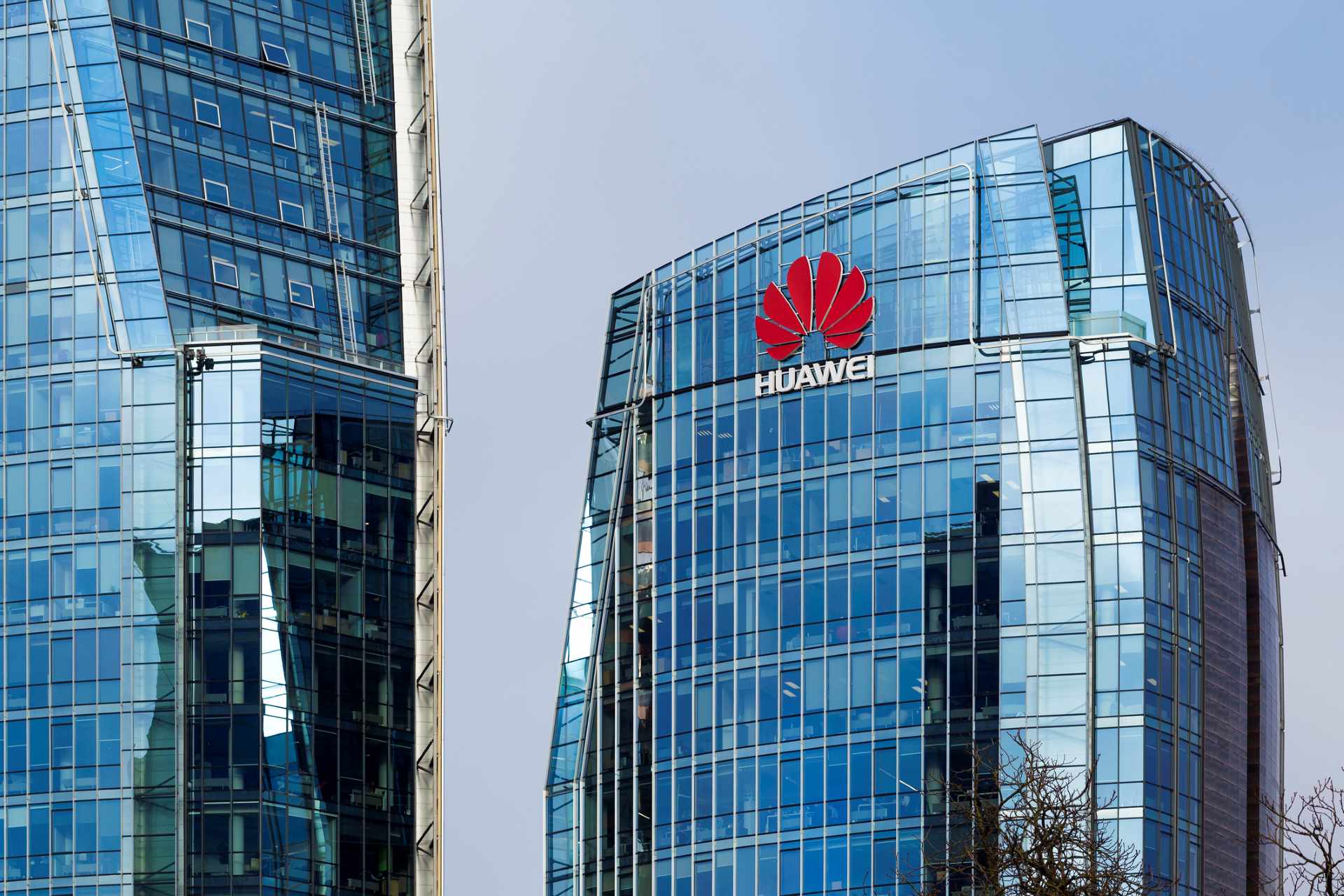
Huawei’s already strained supply chain is under renewed pressure from U.S. export controls, with fines hitting foreign companies that continue to work with the Chinese giant. The move tightens an existing squeeze on Huawei’s ecosystem while leaving its core operations shielded—at least for now.
The latest round of sanctions extends restrictions beyond Huawei itself, penalizing any firm found supplying parts or services to the company without proper U.S. government approvals. While Huawei remains largely insulated from direct penalties, its partners face mounting financial risks, potentially reshaping how global tech firms source components and navigate geopolitical trade barriers.
Why this matters for builders
The fallout from these sanctions could ripple through hardware development, particularly for PC and server manufacturers relying on Huawei’s semiconductor or networking expertise. Compliance costs may rise, and supply chains could fragment further if more companies opt to distance themselves from Huawei to avoid similar fines.
What changed
- A foreign company has been fined millions of dollars for supplying parts to Huawei without U.S. government authorization.
- The sanctions expand beyond Huawei’s direct subsidiaries, targeting any entity in its supply chain that fails to comply with export controls.
- Huawei itself remains unaffected by the fines, though its partners face increasing legal and financial exposure.
This marks a shift from previous measures, which primarily focused on Huawei’s own operations. The new approach forces every link in its supply chain to adhere to stricter U.S. trade regulations—or risk penalties of their own.
Efficiency impact
For hardware builders, the immediate consequence is higher operational costs and greater administrative burden. Sourcing components from Huawei or its affiliates now requires additional vetting, documentation, and potential licensing fees. Smaller firms may find this barrier too high to justify continued collaboration.
Longer term, the sanctions could accelerate a broader decoupling of global tech supply chains. Companies that once relied on Huawei for specialized chips or networking solutions may need to pivot toward alternative suppliers, even if those alternatives come with trade-offs in performance or availability.
What’s next
The financial penalties are expected to grow as more firms fall under scrutiny, though exact timelines remain unclear. Pricing and availability for Huawei-related components could stabilize only if the company secures broader exemptions—or if U.S. restrictions ease in response to industry pressure.