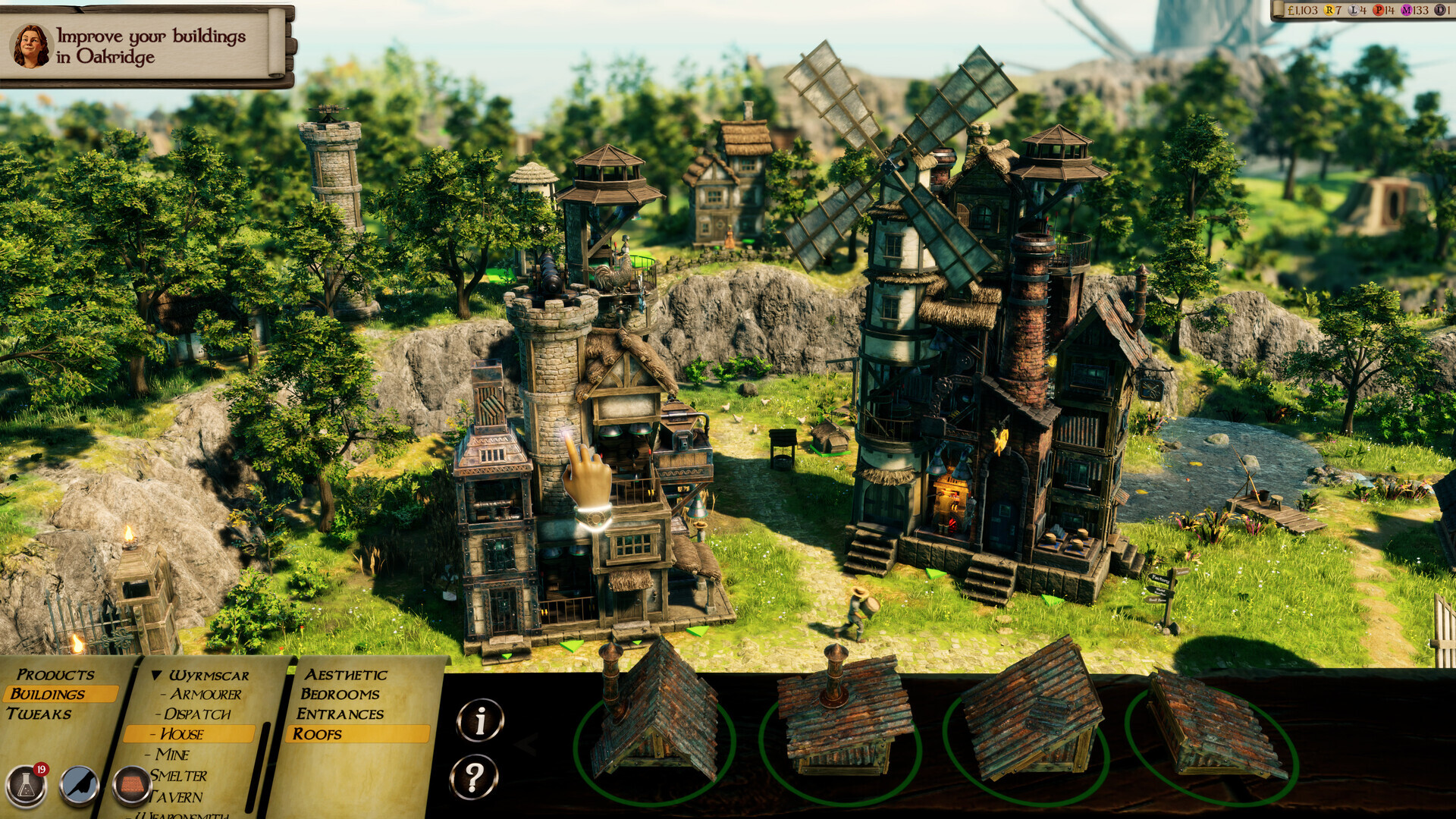
DLSS 5 arrived with fanfare, but the reception has been mixed—some hail it as a quantum leap in AI upscaling, while others dismiss it as a half-baked experiment. The history of DLSS is one of slow-burn adoption: what started as a fringe feature for RTX owners became indispensable after years of refinement. Whether this latest iteration follows the same arc remains an open question.
At its core, DLSS 5 is designed to push performance boundaries further than ever. It introduces a new generation of frame generation—faster, more efficient, and with fewer artifacts—but the devil lies in the details. Early tests show that while some games benefit dramatically, others see only marginal gains, or worse, noticeable visual degradation. The trade-off between speed and quality is always a gamble, and this version seems to tip the scales in unpredictable ways.
Performance vs. Perception
The most striking claim is DLSS 5's ability to maintain high frame rates without sacrificing image fidelity. In titles like Cyberpunk 2077 and Alan Wake 2, the feature delivers a noticeable boost, but not universally. The technology relies heavily on Nvidia's latest Tensor cores, meaning it's only available on RTX 40-series GPUs. For users with older hardware, DLSS 5 is little more than a non-starter.

Yet, the real challenge isn't hardware compatibility—it's consistency. In fast-paced scenes, frame generation can introduce flickering or ghosting effects that detract from immersion. Gamers accustomed to stable, artifact-free experiences may find this version harder to stomach than previous iterations. The question is whether Nvidia can refine it quickly enough to avoid the same backlash that met earlier versions.
Who Stands to Gain?
DLSS 5 isn't a universal fix—it's tailored for specific workloads. Enthusiasts running high-refresh-rate setups will see the most benefit, particularly in competitive titles where frame pacing is critical. For casual players or those on mid-range GPUs, the improvements may not justify the potential drawbacks.
But history suggests Nvidia won't leave this one to rot. The company has a track record of iterating rapidly, turning early missteps into industry standards. If DLSS 5 follows that path, it could become the default choice for upscaling—provided gamers are willing to give it time.
The roadmap for AI-driven rendering is still being written, and DLSS 5 is just one chapter in a longer story. Whether this chapter ends with a triumph or a stumble remains to be seen—but the stakes have never been higher.