Touchscreen laptops have undergone a quiet evolution—from bold promise to clear specialization.
The hardware no longer holds them back. Modern touchscreen models match their non-touch peers in raw power: 16GB of RAM, 512GB SSD storage, and processors that keep pace with the fastest traditional laptops. Yet this parity hasn’t translated into widespread adoption for everyday tasks.
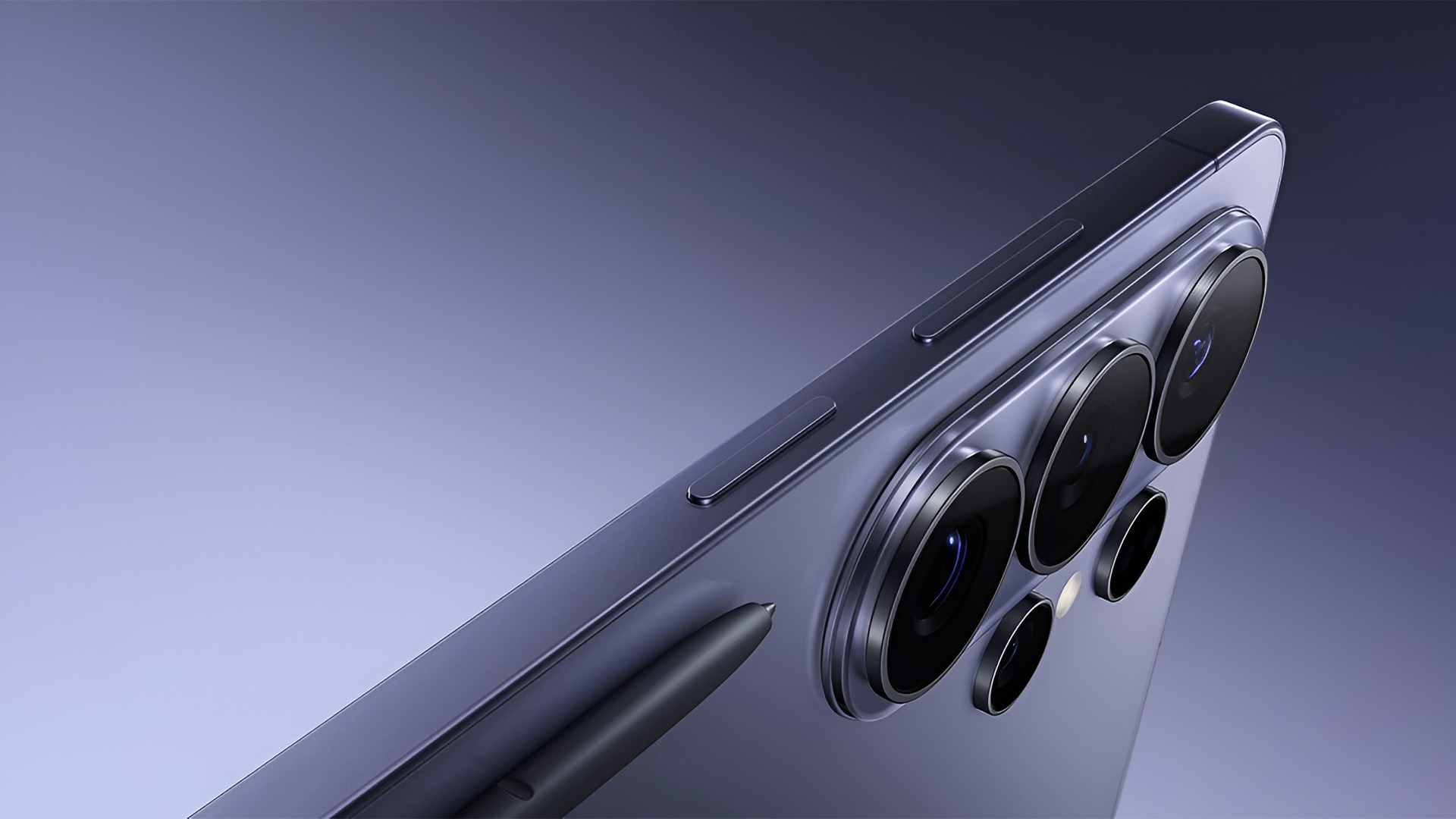
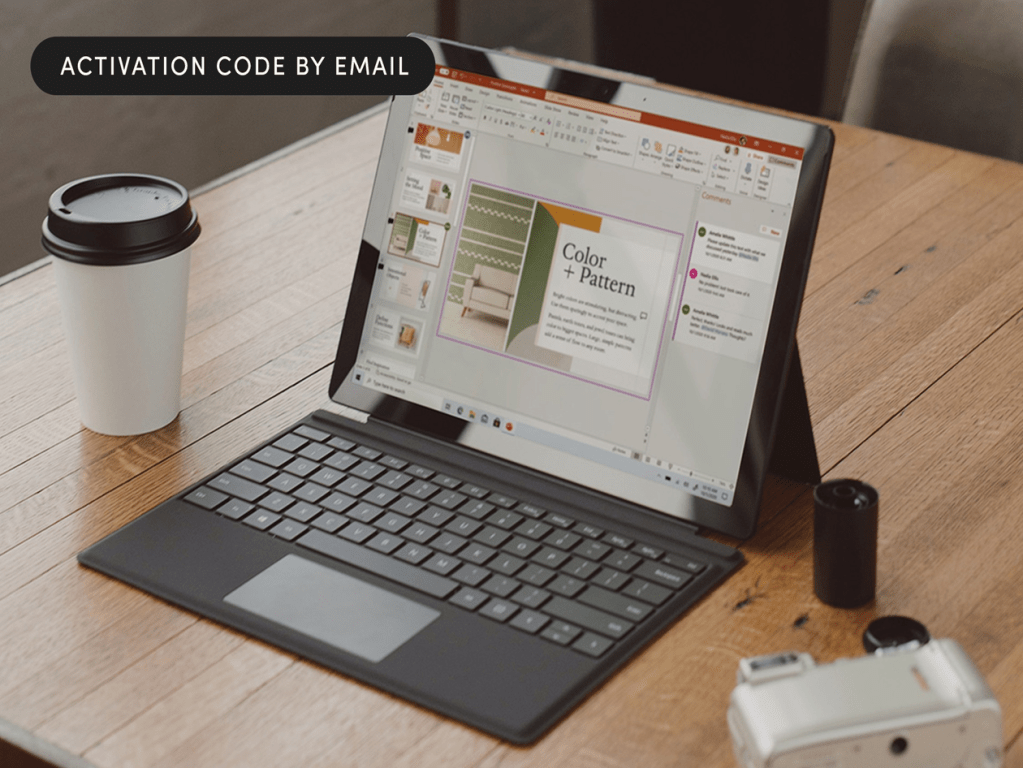
Where do they still shine? Note-taking and digital sketching remain their strongest suits, thanks to pen input that feels natural on touch-sensitive surfaces. But for the majority of users—those who spend most of their time typing documents or browsing spreadsheets—the added cost of a touchscreen often feels like an unnecessary premium.
What’s changed? The early hype has given way to realism. Touchscreens were once positioned as a must-have feature; now, they’re recognized for what they are: tools with specific strengths rather than universal solutions. This shift reflects broader trends in tech—where features that seemed revolutionary at launch later find their true audience.
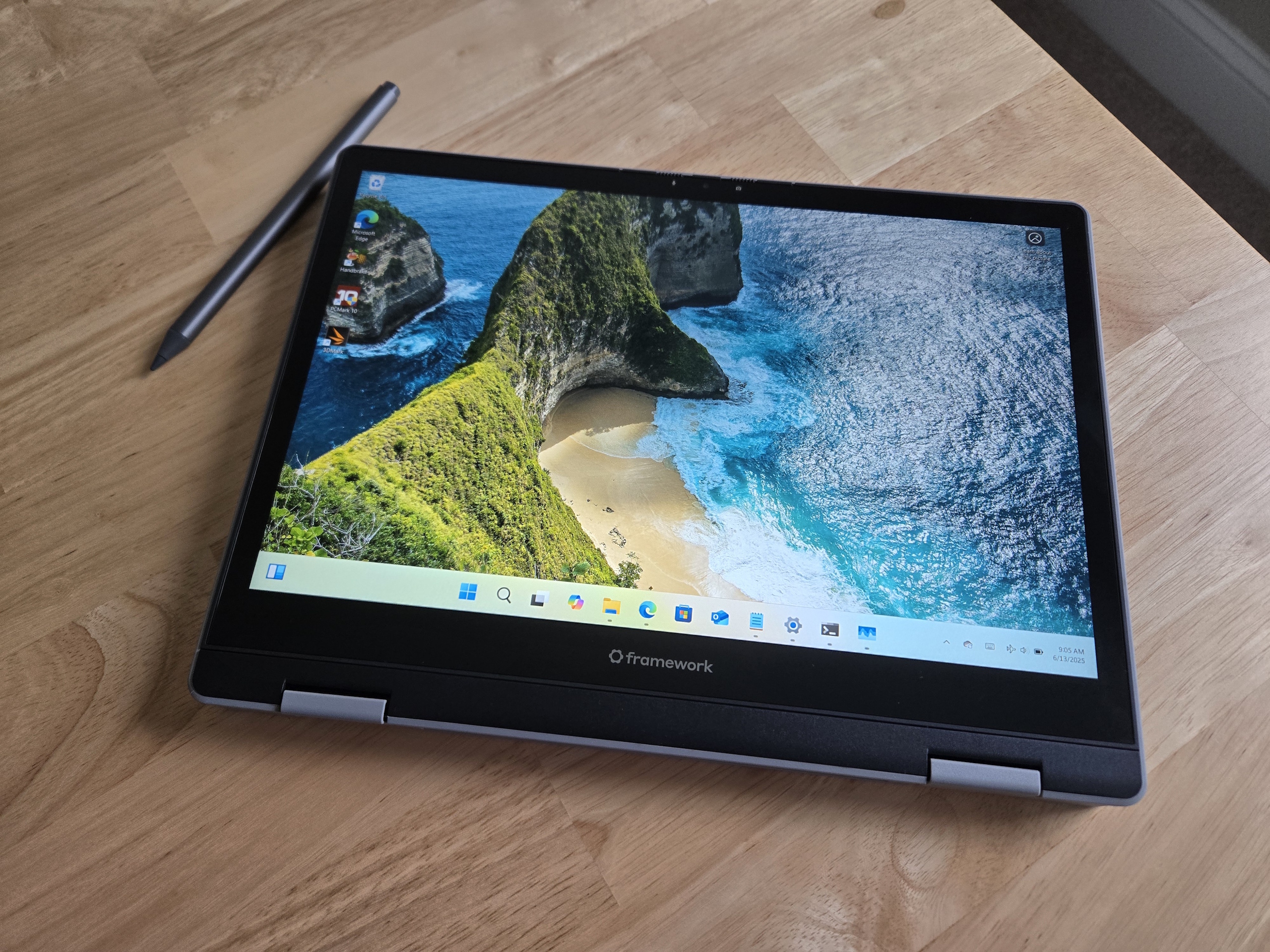
- Performance specs match traditional laptops without compromise.
- Pen input excels in note-taking and creative work, but general productivity sees diminishing returns.
- The market has moved past the question of 'can it do this?' to focus on whether the cost justifies the benefit.
For small businesses or professionals who prioritize efficiency over novelty, the answer is often no. Unless a workflow demands touch interaction—such as annotation-heavy meetings or digital art—the traditional keyboard and trackpad combo remains the gold standard for productivity.
The future of touchscreen laptops will hinge on software innovation more than hardware upgrades. As operating systems better integrate touch and pen input, these devices may find broader relevance. Until then, they remain a specialized tool rather than a mainstream necessity.